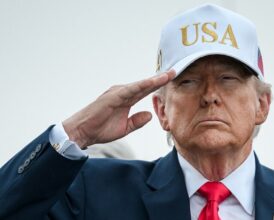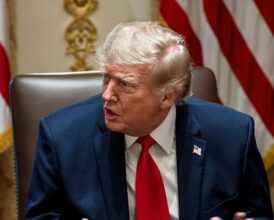


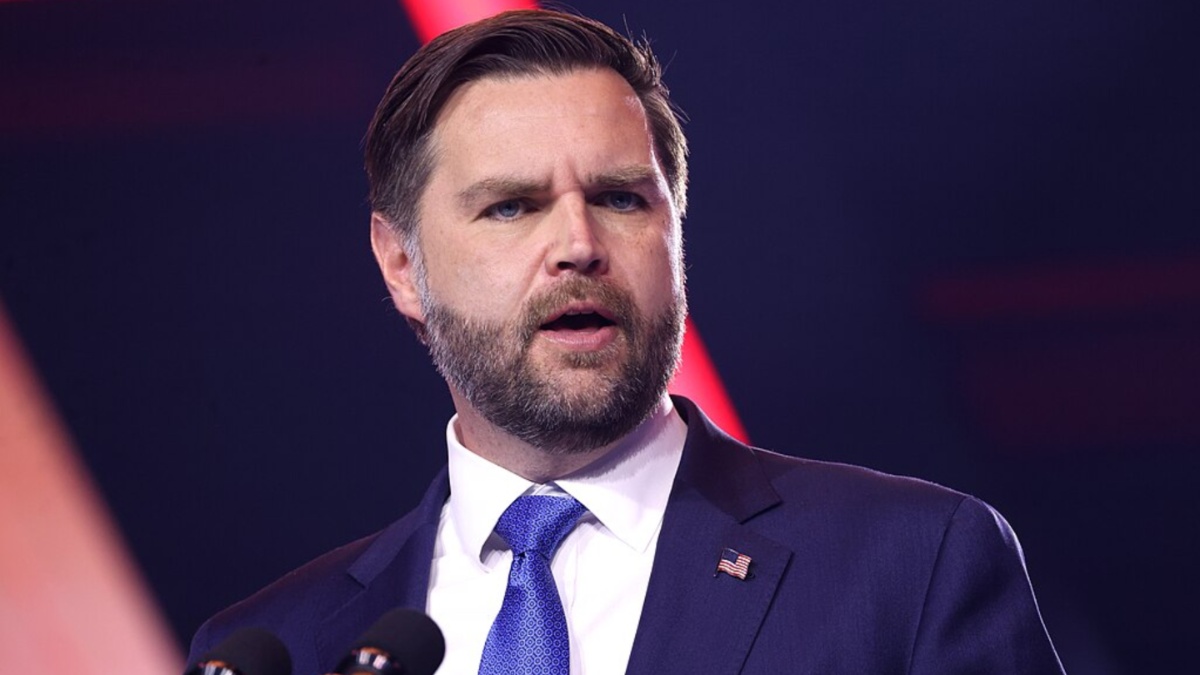
Vice President J.D. Vance urged President Donald Trump to launch a large military campaign against Iran during the talks that led the administration to shift from diplomacy to full military action, according to several people familiar with the talks.
The New York Times reported that advisers and officials highlighted a key moment in White House discussions last month when Vance insisted on the need to “go big and go fast” if the United States planned to attack Iran. This recommendation came amid worries from military leaders that a large operation could lead to significant American casualties.
Trump announced a broad offensive against Iranian military targets on Feb. 28. This included U.S. and Israeli airstrikes that killed Iranian Supreme Leader Ayatollah Ali Khamenei and many senior officials, which the administration called Operation Epic Fury. U.S. Central Command stated that the goal of the campaign is to dismantle Iran’s missile forces, naval assets, and command-and-control systems.
“We recognized that if we were going to strike, it needed to have overwhelming strength and devastating force,” one person familiar with the talks said, referring to Vance’s input. This person spoke anonymously to discuss internal discussions.
White House press secretary Karoline Leavitt said in a statement that Trump made a “courageous decision” to confront what the administration considers threats to U.S. national security. Leavitt did not answer questions about disagreements regarding strategy.
Defense officials privately warned lawmakers that concentrating personnel and assets at forward locations could increase risks to U.S. forces, according to defense sources. These officials were doubtful that the described fortified facilities could withstand threats like Iranian drone or missile attacks.
BREAKING: In a newly unsurfaced clip from 2024, JD Vance says that it is against America’s interests to go to war in Iran. Trump and Vance campaigned on not getting America involved in new wars. They lied to our faces.
pic.twitter.com/iZjKd6KXsg— Really American 🇺🇸 (@ReallyAmerican1) February 28, 2026
The conflict has already led to fatalities among U.S. service members. U.S. Central Command confirmed six deaths from a strike on a tactical operations center in Kuwait. Pentagon officials also reported additional serious injuries among troops involved in the conflict.
Trump and senior military leaders have given conflicting public timelines for how long the operation will last. At times, the president suggested a four-to-five-week campaign, while at other times, he indicated it could extend longer based on conditions.
In congressional testimony this week, Vance defended the administration’s actions. “We do not believe an extended, indefinite engagement is in America’s interest,” he said, adding that decisive action was needed to deter further threats from Iran’s missile and drone capabilities.
Senate Armed Services Committee Chairman Sen. Mark Warner, D-Va., stated that lawmakers have not yet received a full briefing on the administration’s reasons for engaging in large-scale combat operations without prior congressional approval. “This is a matter of war and peace,” Warner stated. “The American people and their representatives deserve clear answers about the objectives and exit strategies.”
Iran has reacted to the U.S.-Israeli offensive by launching missiles and drones targeting Gulf states and U.S. allies, increasing regional tensions. Israeli Prime Minister Benjamin Netanyahu told reporters that the war “may take some time” but dismissed comparisons to past prolonged conflicts.
Administration officials pointed to Iran’s growing ballistic missile program and perceived threats to U.S. forces and interests as key reasons for the campaign, arguing that rapid, strong action would prevent future attacks and weaken Tehran’s military capabilities.
Public opinion reveals most Americans do not want war with Iran, as a Reuters/Ipsos poll released Monday showed low approval for the war, with many respondents expressing concerns about the scale and potential costs of the conflict.