



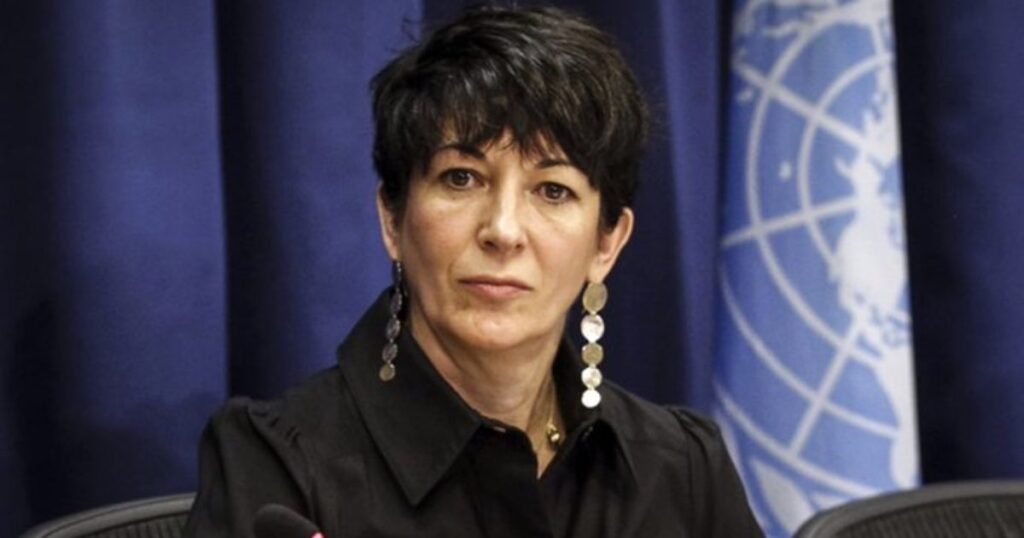
Ghislaine Maxwell refused to answer questions during a closed-door deposition with the House Oversight and Government Reform Committee on Monday. She invoked her Fifth Amendment right against self-incrimination, ending the session in less than an hour, according to committee members and her attorney.
Rep. Robert Garcia of California, the committee’s top Democrat, mentioned that Maxwell “answered no questions and provided no information” about Jeffrey Epstein’s sex trafficking operation or others involved. House Oversight Chair James Comer, a Kentucky Republican, told reporters that she invoked the Fifth during questioning after her legal team offered prepared remarks at the beginning of the deposition.
Maxwell appeared virtually from a federal prison in Texas, as reported by the Washington Post. She is serving a 20-year sentence following her 2021 conviction for helping Epstein recruit and groom underage girls for sexual abuse.
The deposition was part of the committee’s effort to look into the federal handling of Epstein-related records and to press for more transparency about Epstein’s network and contacts. This issue has gained renewed attention as the Justice Department releases large volumes of documents connected to Epstein.
Rep. Ro Khanna, a California Democrat who has pushed for more disclosures of Epstein’s files, wrote in a letter referenced by Reuters that Maxwell intended to invoke the Fifth and would not answer substantive questions. Reuters reported that Khanna viewed Maxwell’s position as inconsistent with her earlier cooperation in talks with Deputy Attorney General Todd Blanche, where her lawyer said she answered questions without invoking the Fifth.
Maxwell’s attorney, David Oscar Markus, stated that her decision to remain silent was influenced by her ongoing legal actions, including a habeas petition challenging her conviction, according to the Washington Post. Markus also mentioned that Maxwell would be willing to provide full testimony if granted clemency by President Donald Trump.
Garcia criticized Maxwell’s refusal to answer questions after what he described as months of noncompliance with the committee’s subpoena. In the Guardian’s account, Garcia wondered what Maxwell’s silence might mean for efforts to identify other participants in Epstein’s crimes and called for further action to obtain information from the federal government.
Maxwell’s deposition occurred as lawmakers across party lines continue to debate how much information the Justice Department should publicly release about Epstein, who died in federal custody in 2019 while awaiting trial on sex trafficking charges. The Justice Department has stated that it is releasing substantial amounts of Epstein-related material while applying redactions and restrictions required by law and privacy protections, especially for victims.
Committee members noted that Monday’s session did not produce new factual disclosures because Maxwell declined to answer questions. Comer said she had a chance to address questions central to the committee’s inquiry and chose not to.
It is not yet clear what steps the committee will take after Maxwell’s refusal, including whether lawmakers will seek records through other means or pursue additional legal actions. But her silence begs the question: who is she protecting? If there are no other co-consipirators with Epstein long dead: what does she have to hide?


