



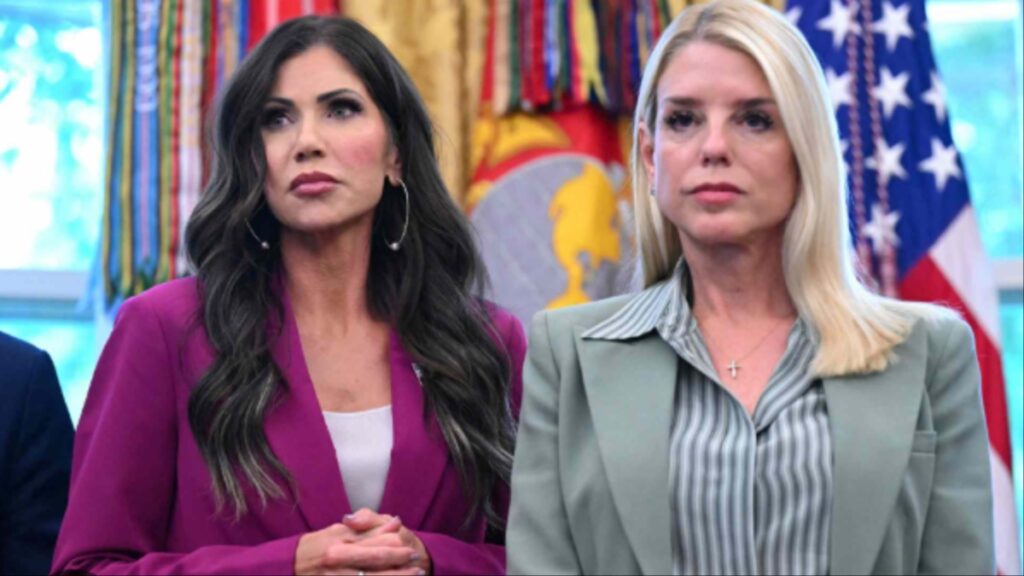
A federal judge put senior Trump administration officials on notice Monday, warning that Homeland Security Secretary Kristi Noem and Attorney General Pam Bondi could face sanctions over public comments that, the court suggested, risk poisoning the jury pool in the case of Kilmar Abrego Garcia. The rare judicial rebuke marks a sharp escalation in a legal saga that began with an unlawful deportation, continued with a hurried return to the United States, and now centers on whether the government crossed bright constitutional lines in the rush to justify its actions.
In the latest order, the court told Justice Department and Homeland Security officials to stop making public statements that go beyond the record and to stick to facts, not spin, when discussing Abrego Garcia. The warning carried real consequences, with Judge Paula Xinis signaling potential sanctions if officials continue issuing prejudicial statements about the case or the defendant.
Abrego Garcia, the Salvadoran national and longtime Maryland resident was deported despite a court order protecting him from removal, then later brought back to face federal charges for transporting undocumented migrants for financial gain, allegations he denies. Judges in separate proceedings have already pushed back on the government, ordering that any future immigration actions against him come with advance notice and that custody changes stay within proper jurisdiction.
The judge’s patience appeared to wear thin as some administration figures amped up their rhetoric. Noem and Bondi have been accused of making inflammatory statements about Abrego Garcia, portraying him as a dangerous criminal long before his trial began. Defense lawyers argued that such comments violated a local court rule meant to ensure defendants receive a fair trial.
The court agreed. U.S. Circuit Judge Waverly Crenshaw stated that government officials “have made extrajudicial statements that are troubling, especially where many of them are exaggerated if not simply inaccurate.” He said those remarks included “allegations regarding Abrego’s character or reputation” and public assertions about his guilt or innocence.
The judge’s decision reflects a growing frustration in the courts with officials who use their public platforms to shape narratives around ongoing criminal cases. For years, the Trump administration has faced accusations of politicizing law enforcement and turning prosecutions into partisan theater. The Abrego Garcia case appears to be another example of that tendency, a spectacle that’s been as much about political messaging as about justice.
Still, while the judge’s words were sharp, his order stopped short of full sanctions. Instead, Crenshaw directed Noem and Bondi to remind all employees within their respective departments about the rules governing public statements on pending cases. Many observers say that’s not enough. Critics argue that without serious consequences, the same behavior will continue unchecked.
Legal experts note that this case is less about the alleged crimes themselves and more about due process, the constitutional promise that every person, regardless of their background, gets a fair hearing. Abrego Garcia, deported illegally and later recharged under murky circumstances, never got that chance.
The irony, some observers point out, is that the same system protecting him is the one keeping President Donald Trump himself from facing swift accountability for his own alleged crimes.


