



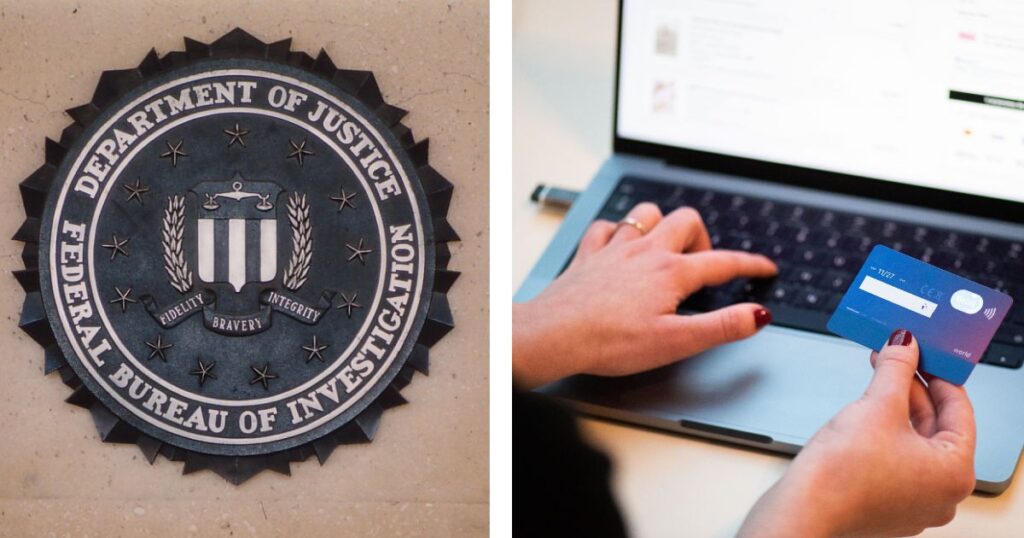
The season of fun, frolic, and happy times is here, and so has increased online shopping. This time of year sees steep price hikes across multiple shopping websites and many physical retail stores. Black Friday online sales in the U.S. alone hit approximately $1.18 billion — a clear sign of buyer preference for digital platforms. In 2025, online shopping increased by 9.1% compared to 2024.
But it’s also a time when buyers should stay alert for the infamous holiday online shopping scams. Given the popularity of online shopping, there is a risk of leaks of an individual’s confidential details, including card numbers, CVVs, and internet banking passwords. Experts on the matter have noted that while nearly anyone can become a victim of such scams, the exponential growth of artificial intelligence has actually made matters worse.
As you shop this #holiday season, beware of deals that seem too good to be true! Scammers are out in full force. Read the #FBI‘s top tops to stay ahead of scammers and protect your hard-earned money at https://t.co/rg1Twt4Nq2. pic.twitter.com/1hjcU0tlgP
— FBI (@FBI) November 29, 2025
AI tools are now capable of creating scam sites that mimic the look of an original site. These include exact photos, logos, and other unmissable designs, making it difficult for someone to distinguish between an original website and a fake one.
As a result, the Federal Bureau of Investigation issued a significant warning, urging people to be aware of such scams and to conduct thorough checks on online marketplaces before proceeding with financial transactions or purchases.
It is worth noting that at this time of year, shoppers are obviously hunting for the best deals. Thus, they become vulnerable when their search choices lead to a dubious website that runs scams, hidden beneath their exterior sophistication and designed to appear trustworthy. For this reason alone, the FBI suggests that buyers always check whether the website is legitimate.
One of the easiest ways to do it is to check whether the site’s web address starts with ‘https’. For first-time merchant websites and sellers, shoppers are advised to review the website’s ratings and reviews before proceeding with the purchase. Checking ratings for auction sites is also recommended.
A meaningful cross-check buyers need to make is to ensure they do not, even by mistake, click on suspicious links. These may include random hyperlinks on a shopping website or may even be unsolicited attachments and drive links sent over emails and newsletters. These links are often part of phishing scams that aim to steal one’s personal information with just a click. The scammers at the other end of these links will then easily obtain the individual’s name and bank account information.
Another major warning issued by the FBI is to remain alert to sellers who post auctions or advertisements as if they are residents of the United States. In most cases, the buyer receives responses from sellers who claim to be out of town for business, family matters, or emergencies. Such malicious attempts may risk leaking confidential credentials and, naturally, waste the buyer’s time by prompting them to proceed with unsuccessful purchase attempts.
The FBI also warns buyers to be extra careful about their cards during the holiday season. With a steep surge in online shopping at this time of year, any suspicious payment or charge on the card should be reported to the authorities at the earliest. These fraudulent charges are often linked to larger financial scams. It would prevent the complete drainage of money from a person’s bank account.


