

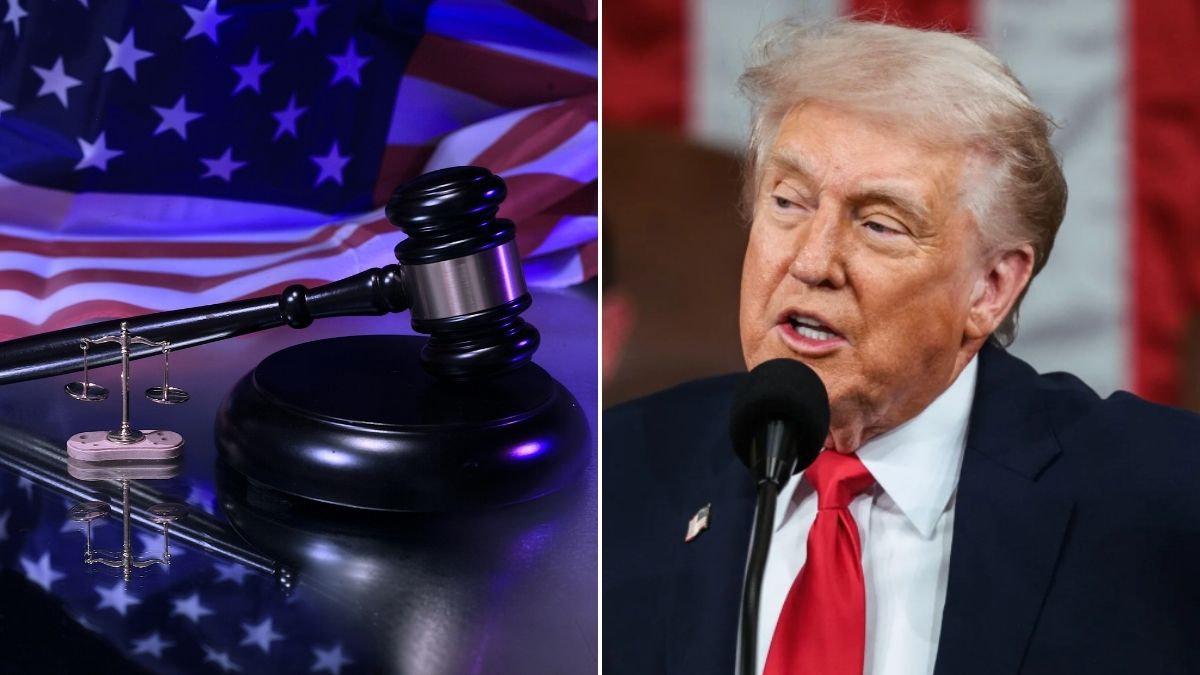
The U.S. Supreme Court is preparing for the birthright citizenship case. They will examine the statute that provides that if you were born in the U.S., you are an American citizen automatically. Now, experts warn that if the myths surrounding the country’s open borders are not cleared up, this may lead to problematic outcomes.
Legal minds are anticipating the case. They’re concerned, says Raw Story. They fear that some don’t understand the history behind America’s immigration laws. That could change the way they will vote. Their final decision.
The outcome hinges on the understanding of the 14th Amendment. That’s the one that says, “all persons born or naturalized in the United States” are citizens. Lawmakers wrote it right after the Civil War to make sure former slaves and their children were recognized as citizens.
Anna O. Law, who researches American law, says most people don’t understand what early immigration actually looked like in the U.S. That matters.
“The 14th Amendment is a pillar of American law in a good way.”@RepKamlagerDove (D-CA) gives a defense of the birthright citizenship clause in the 14th Amendment and compares the political climate of today with that of 1868, when the amendment was adopted into the Constitution. pic.twitter.com/1fNdOjUZ4b
— CSPAN (@cspan) February 25, 2025
She says that many people embrace the idea that America once had totally open borders. But Law says that’s more myth than fact. Even before the federal government stepped in, individual states set their own rules about who could stay. And who couldn’t.
It nearly always came down to funds. Economics. The colonies and early states didn’t want people they thought couldn’t pay their own way. Law puts it bluntly, “People who can’t economically take care of themselves—we don’t want them.” People have reasoned like this forever.
Why dig into history for a case about modern immigration? Knowing why laws were written can help you establish intention. While some birthright citizenship was never supposed to be so easy to get, Law says the facts show otherwise.
Back in the 1800s, plenty of people lived in the U.S. without the right papers. Today we call them undocumented. Congress wasn’t in the dark about it, either.
Law recalls a moment in history right after Congress banned the international slave trade. Illegal immigration was still happening — actually, it surged. The ban didn’t stop smuggling. And slaves still entered the country. Illegally. The writers of the 14th Amendment knew this. But they still decided that children born in the U.S. should be citizens. It didn’t matter their parents’ legal status.
Law says that they knew what they were writing. They wrote it with the intention of letting the children born in the country have U.S. citizenship.
Trump–Vance Test Support for Ending Birthright Citizenship
Fundraising appeal attempts to normalize an unconstitutional proposalhttps://t.co/DUfVvLXh8Rhttps://t.co/DUfVvLXh8R
— PatriotTakes 🇺🇸 (@patriottakes) January 20, 2026
The Trump administration wants to change this. And the court will decide if they can. “There were unauthorized people in the U.S… and did the 14th Amendment include their children? Yes, it did, and they knew that,” Law says.
America’s immigration stance was clear to outsiders, too. News reached China about how immigrants were treated here. And since they were facing difficulties in their own countries, many made their way to the U.S. Even then, lawmakers made sure children born in the U.S. could claim citizenship.
Law keeps coming back to the exact wording the legislators used. It doesn’t just give rights to citizens—the phrase “all persons” makes it clear the doors are open pretty wide.
In plain terms, the Constitution was meant to include as many people as possible, especially right after a war all about rights and equality.
Now, as the Supreme Court gets ready to decide, the outcome could change what’s always been the standard. It could also change who can call themselves American. It’s up to the court.