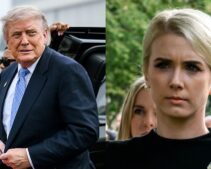


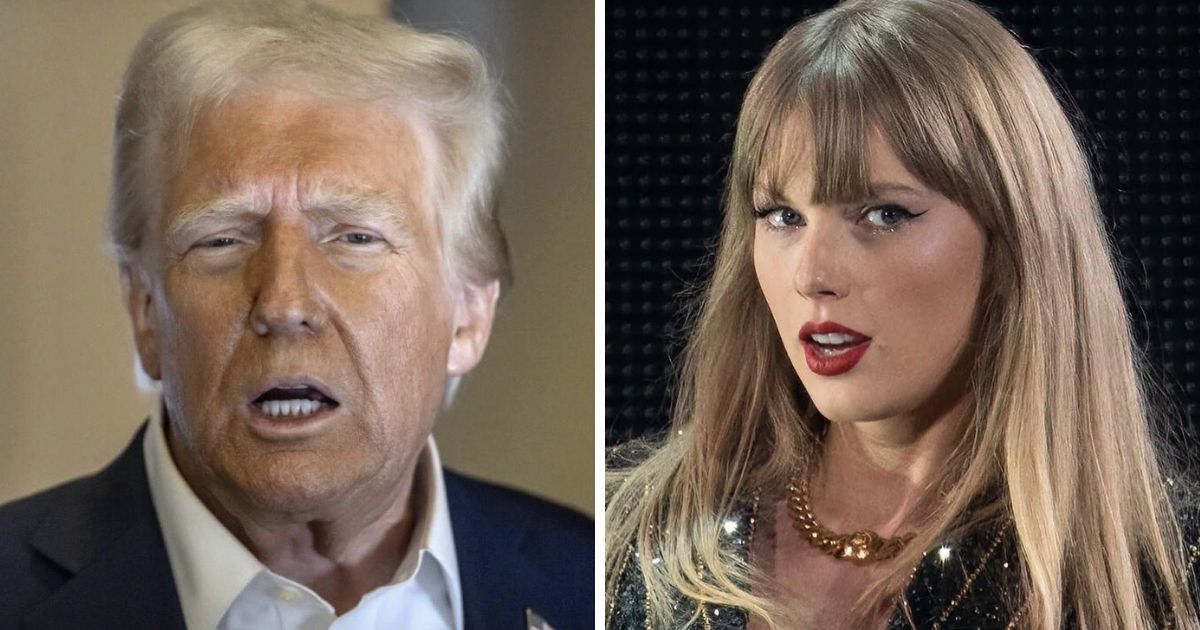
When Donald Trump‘s White House TikTok account fired up Taylor Swift‘s The Fate of Ophelia for a campaign stunt, it was a generational pile-up. As Trump’s mugshot merged with American flags and warships to the beat of Swift’s lyrics, TikTok exploded with snark. Does anyone at 1600 Pennsylvania Ave. actually get what young people care about, or are they running on Windows 95?
It’s not the first time Trump’s team tried to ride a trending wave, but this latest TikTok may be the greatest misread since “covfefe.” The official White House post joined the tradition of trolling, using Swift’s anthem as a soundtrack.
Critics tagged Taylor Swift in the comments to unleash a hall-of-fame eye roll. This pop cultural hijacking could have been a power move if the administration hadn’t spent years dragging Swift, calling her “woke,” “liberal,” and, in Trump’s own phrasing, “no longer hot,” as Time magazine reported.
The White House posted a tik tok featuring Taylor Swift’s song The Fate of Ophelia.
She’s been interacting with fans’ posts about this song but I wager she doesn’t say a word about Trump doing it, despite many of her fans in the comments intimating she will sue or be angry. pic.twitter.com/ioRYU0nIbI
— Chuck (Taylor’s Version) (@Jamie_Maz) November 3, 2025
But Gen Z is chronically online. A montage of flag-waving accompanied by music doesn’t erase the receipts.
If the White House hoped for engagement, they sure got it, no matter what. Swifties and cynics alike deluged the video with comments calling it “cringe,” “desperate,” and suggesting that someone should “get on” that lawsuit. “It’s the fact that he ‘hates’ her, but tries to use her influence when it suits him,” echoed one comment. Gen Z’s reaction was loud and global.
Taylor Swift hasn’t commented yet. But we need to remember that she’s not alone in facing unauthorized political usage. Other artists, from Rihanna to Adele and Queen, have objected. Legal threats and cease-and-desist letters have become familiar for musicians pushing back on politicians who shuffle their tunes without permission or context.
And yes, it can be about copyright issues, but it is also about respect. For a generation drenched in meme culture and screenshots, nothing screams “out of touch” like blowing the vibe check.
Trump posting “I hate Taylor swift” after his internal polling numbers dropped pic.twitter.com/4LBQR6jcCG
— ben A…. (@benalives12) September 15, 2024
Authenticity is a fundamental expectation for Generation Z. The younger generation’s “cringe radar” is set to maximum sensitivity when politicians make viral references. Politicians have long used pop culture to make themselves relatable, but in the age of TikTok watchdogs and round-the-clock hot takes, any hint of dishonesty can get ratioed!
Ed White Law and other sources document a tally of lawsuits and cease-and-desist actions over political misuse of music, with courts siding with artists when campaigns repurpose tracks without consent. Does political engagement thrive on pop culture, or does it crumble when authenticity is swapped for strategy? Considering the social media storm, Gen Z already voted, and it’s a resounding “next!”
NEXT UP: Donald Trump Declares Himself ‘Better-Looking’ Than Mandani