



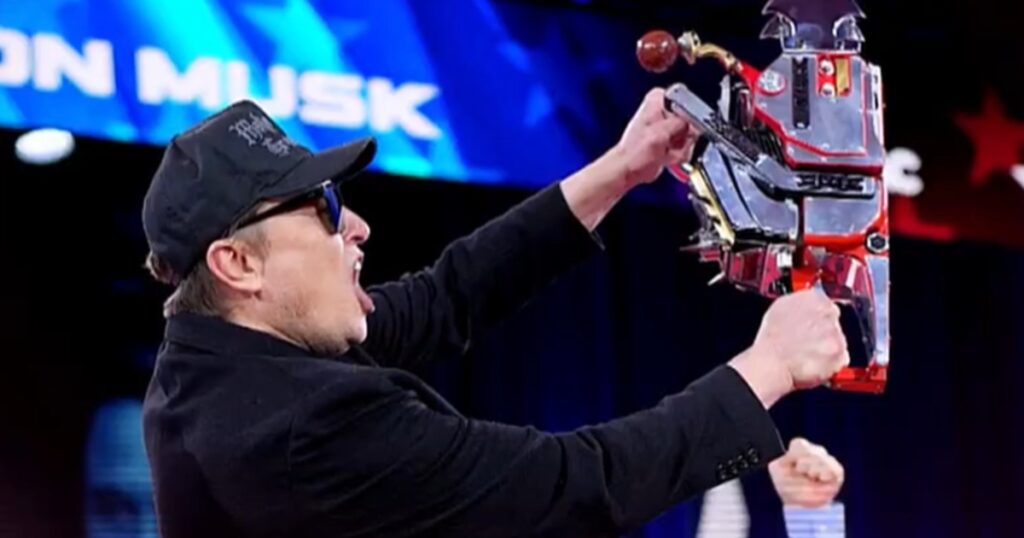
Employees inside the Department of Government Efficiency, DOGE, as they branded themselves, moved through Washington with the swagger of people who believed they were untouchable. With Elon Musk in charge and the Trump administration’s backing, they cut programs, canceled contracts, and wiped out entire corners of the federal bureaucracy at a speed that raised concern
Now many of those same staffers are quietly worried they may be the ones left holding the bag.
According to people familiar with internal discussions, current and former DOGE employees have grown increasingly uneasy that their most aggressive decisions could be reexamined not just as policy choices but as potential crimes. Several have spent months living under what one report described as “the ever present threat of backlash, public scrutiny, upset Cabinet officials, even the prospect that someone might assert criminal charges against them.”
What is pushing their anxiety to a breaking point is the realization that the one person they assumed would shield them, Musk, may no longer come to their defense if investigations begin.
Inside DOGE, people saw Musk as the person who would bail them out if things went sideways. He was the billionaire with Trump on speed dial, the one they figured could step in if an audit or investigation ever started pointing their way.
The idea that Musk could “pick up the phone” and secure a pardon if things went bad was spoken about more than once inside the group, according to Raw Story.
However, the sense of security disappeared earlier this year after Musk and Trump’s relationship unraveled in public. What began as a clash of egos turned into a sustained war of words, leaving the two men circling each other from a distance and communicating mostly through social media jabs. When Musk pulled back from Washington, DOGE staffers suddenly felt exposed.
Some acted on the fear immediately and packed their bags. In June, a group of DOGE “tech bros” who had been living on the sixth floor of the General Services Administration quietly quit their jobs. Their departure was not dramatic, but it carried symbolic weight tat without Musk in charge their jobs was less stable.
Inside the department, the atmosphere shifted. At a recent meeting, a senior DOGE official, Donald Park, tried to rally the team, telling them they were still “brothers in arms” and insisting Musk would continue to look out for them per the report. Another staffer interrupted with far less optimism, warning, “Guys, seriously get your own lawyer if you need it. Elon’s great, but you need to watch your own back.”
Part of the unease comes from the attention DOGE’s work has drawn from outside investigators. Auditors and watchdogs have sharply criticized the department’s operations, accusing it of exaggerating savings, cutting programs with little review, and possibly crossing legal boundaries in the rush to produce dramatic results. A major Senate report condemned DOGE’s work as both wasteful and misleading. Some analysts have described the department’s sweep through federal agencies as similar to a “heist” rather than a disciplined cost-cutting mission.
Those are exactly the kinds of findings that attract congressional oversight, and in some cases, prosecutors.
The department was created in a legal gray zone, without the typical statutory foundation that governs most federal agencies. It operated with a start up like culture that celebrated speed, disruption, and risk taking. If investigators decide DOGE exceeded its legal authority, individual staffers, not the billionaire who recruited them, could face the consequences.