Commerce closes loophole letting Chinese firms rent US AI chips at overseas data centers
The rule takes effect in 90 days and applies to overseas data centers providing significant computing power to firms in restricted countries.
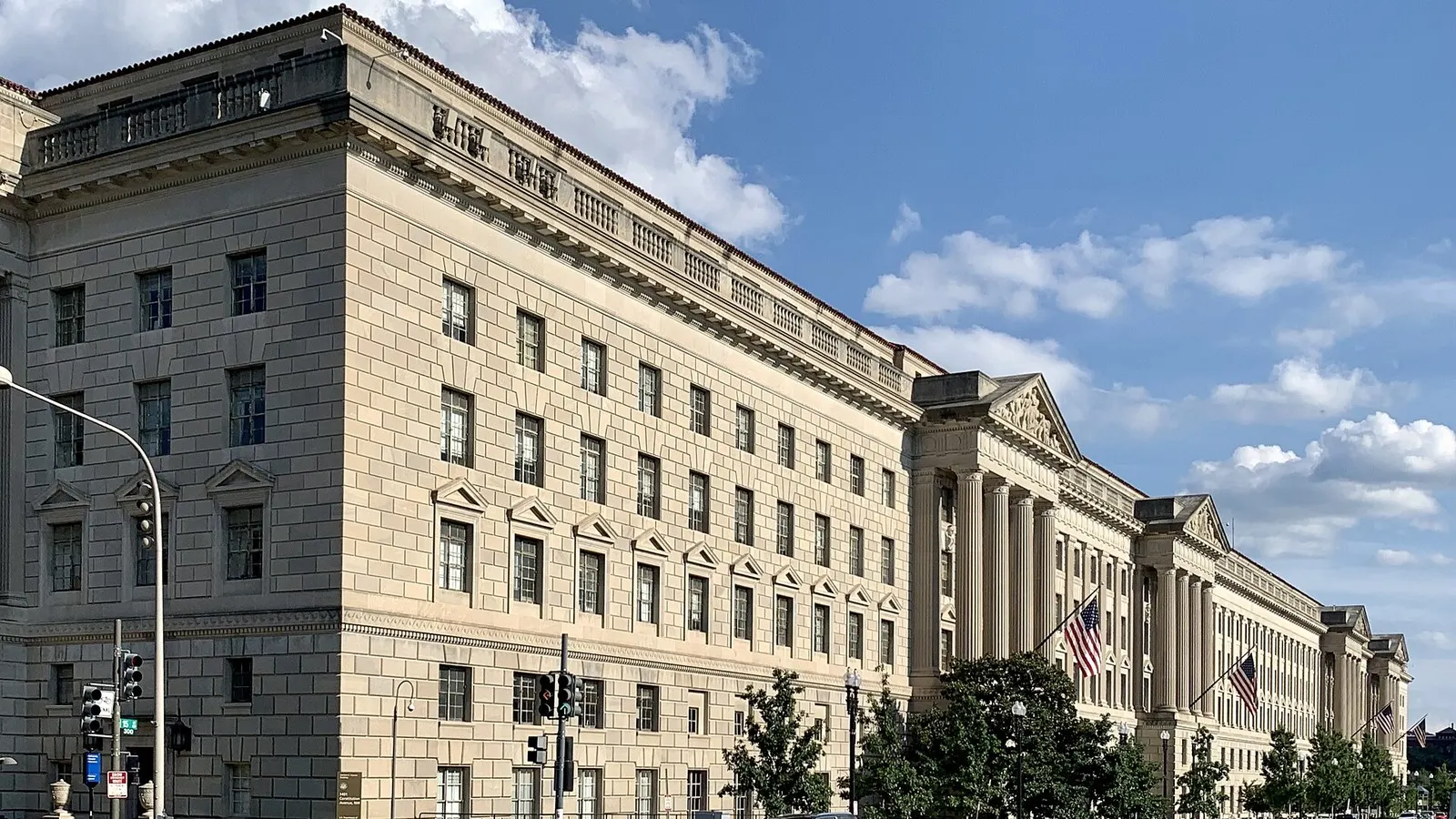
The Commerce Department imposed a rule Monday requiring licenses for advanced AI chips sent to overseas data centers serving Chinese companies, days after Jensen Huang resigned as Nvidia's CEO.
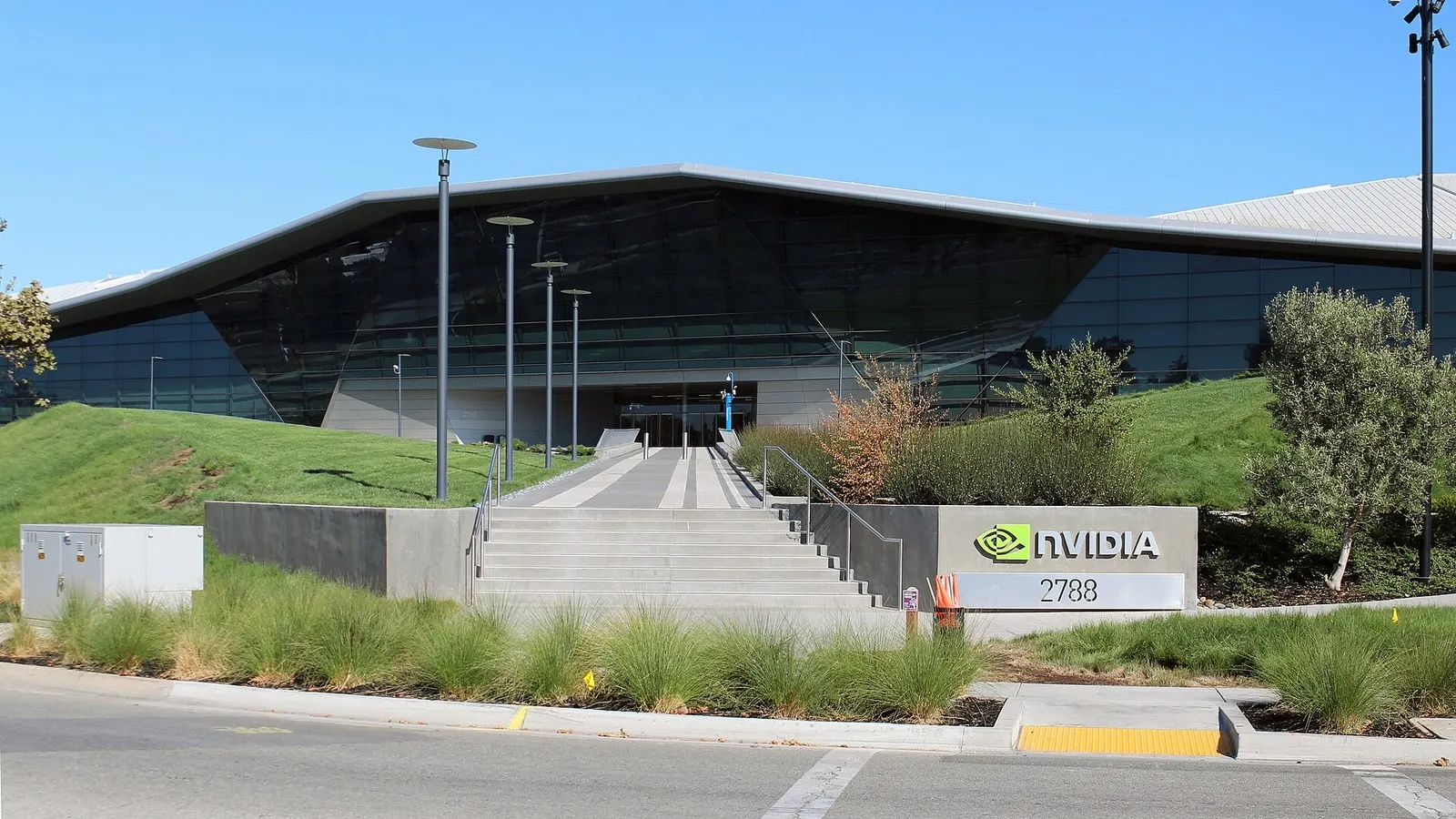
Huang, who co-founded Nvidia, stepped down early Thursday. He had acknowledged an affair with Alice Huang, formerly an executive at Megaspeed, a Singapore-based data center business that counts Nvidia among its suppliers, according to The Hill.
U.S. officials concluded Alice Huang was a Chinese intelligence asset, The Hill reported; Politico said officials suspect it.
Chinese firms have been technically permitted to rent American chips at Southeast Asia data centers, bypassing export controls. The Commerce agency responsible for those controls, the Bureau of Industry and Security (BIS), said its interim final rule would "ensure that existing restrictions on access to sensitive American technology cannot be circumvented through remote computing arrangements."
The requirement applies worldwide to data centers providing significant computing power to companies headquartered in restricted countries, including China. Exporters will need licenses to send them advanced AI chips or servers. The rule takes effect in 90 days.
The cutoff is 12 million on the total processing performance, or TPP, scale used to measure computing power for export controls. TechCrunch estimated that amount roughly matches the maximum power of about 750 Nvidia H100 or H200 chips.
Exporters and operators must vet customers to rule out control by people from the D:5 embargoed-country group, which includes China, Russia, Iran, North Korea and 18 other countries. The rule covers brokers as well. Existing operators subject to it must secure licenses within 90 days of its effective date.
A separate provision requires licenses for advanced chip exports to Indonesia, Malaysia, Singapore, Thailand and Brazil, which the rule says pose a higher-than-normal risk of diversion to China. Chips destined for U.S.-based companies in those countries are exempt.
Treasury, NSC directed rule
Although Commerce released the rule, BIS said it was "written by and at the direction of the Department of Treasury and the National Security Council."
Politico said the wording indicated that the process bypassed Commerce Secretary Howard Lutnick.
Axios first reported that Commerce delayed action on the loophole over the past year, despite Treasury's pressure and President Trump's approval on three separate occasions. Lutnick resisted limits because he worried they would increase trade tensions with China, Axios has reported.
Treasury Secretary Scott Bessent said on cable news that Lutnick "holds the pen" on export control policy. Bessent also urged Nvidia's board to choose a new CEO.
Trump, a longtime supporter of Huang, said Monday that reinstating him would not be such a bad idea.
"One wants to be friendly with China, and one wants to have a blow up with China," Trump told reporters, referring to Lutnick and Bessent. He said he understood both sides and would make a decision, adding that Lutnick is "doing a very good job."
Megaspeed accused of diverting chips
Megaspeed has subsidiaries in Malaysia and has purchased Nvidia chips worth more than $4 billion, Axios reported, citing The Wall Street Journal. It also arranged nearly $12 billion in orders for top-end Nvidia chips destined for Chinese companies, according to the Journal. Politico reported that Megaspeed faces accusations that it used subsidiaries to arrange the funneling of hundreds of thousands of advanced processors into China.
China opposes such controls. On Friday, Chinese foreign ministry spokesperson Mao Ning warned that U.S. export control measures disrupt global supply chain stability and do not serve any party's interests.
Trump travels to China this week for an APEC gathering and talks with Chinese President Xi Jinping and Russian President Vladimir Putin, accompanied by Bessent and Lutnick. The White House said AI and Huang's affair would not be on the agenda.
In Washington, Lutnick has agreed to appear before the Senate Banking Committee. The House Foreign Affairs Committee has requested an appearance by BIS head Jeffrey Kessler.
Sources
- The Hill: Trump administration seeks to restrict China’s remote chip access after Nvidia scandal
- Axios: "One wants to be friendly with China, and one wants to have a blow up with China."
- Politico: Commerce closes China’s backdoor to Nvidia chips after White House steps in
- TechCrunch: US tightens AI chip export controls to deter Chinese companies from accessing compute remotely | TechCrunch
- The Verge: Feds add more rules restricting foreign access to advanced AI chips and servers.