



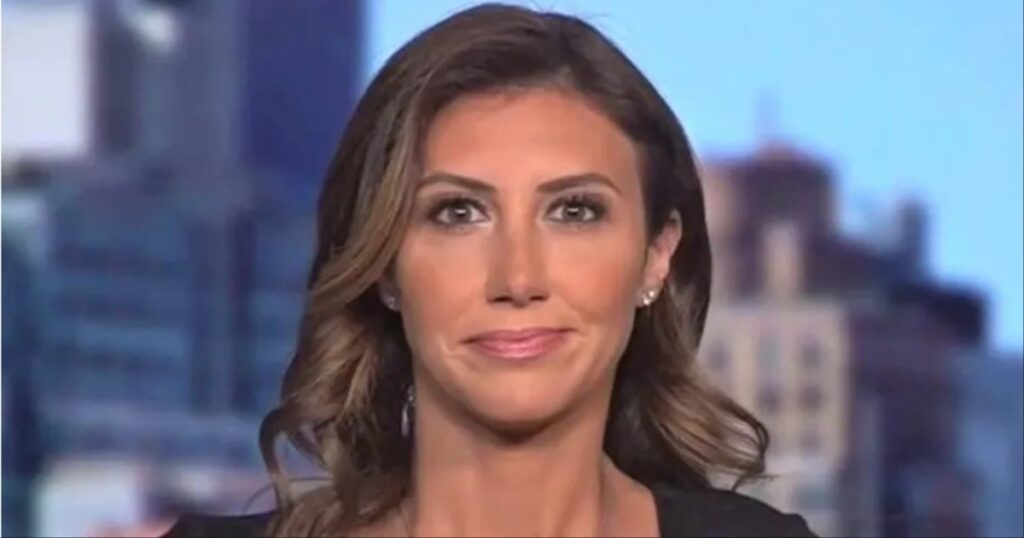
A federal appeals court ruled that Donald Trump’s former lawyer, Alina Habba, was never legally qualified for the position. The decision came on Monday, when a three-judge panel on the 3rd U.S. Circuit Court of Appeals in Philadelphia decided that the Trump administration’s attempt to keep her in the role exceeded what federal law allows.
The administration had tried to use interim appointment powers and internal Justice Department rules to keep Habba at the top of the office. Although this approach lasted for months, the judges stated it could not hold up under legal examination. The panel indicated that the government bypassed the Senate confirmation process, which ensures that top federal prosecutors are put in place through a transparent and accountable method.
“It is clear that the current administration has faced challenges with the legal and political barriers to getting its appointees in place,” Circuit Judge D. Michael Fisher wrote. Fisher, appointed by President George W. Bush, described the situation directly. He added, “Its efforts to place its preferred candidate for U.S. Attorney for the District of New Jersey, Alina Habba, as Acting U.S. Attorney show the difficulties it has encountered. Yet the citizens of New Jersey and the dedicated employees in the U.S. Attorney’s Office deserve clarity and stability.”
The court found that the administration had effectively pushed the idea of “acting” service beyond its intended boundaries. Federal law allows only short terms for someone to lead an office without Senate approval. Officials had tried to switch Habba through different interim authorities, but the panel said this strategy ultimately hit the same legal obstacle because the statutes were not meant to be layered or extended like that.
Federal appeals court rules Alina Habba, Trump’s former personal lawyer, is unlawfully serving as the US attorney for New Jersey.https://t.co/cDBzJ19QdR pic.twitter.com/9HgHE2xfmi
— CNN Breaking News (@cnnbrk) December 1, 2025
Though the ruling does not stop the administration from nominating Habba through the regular confirmation process, it immediately strips her of the power to run the office and raises new questions about actions taken during her time in charge. Any charging decisions, staffing changes, or public statements made under the authority of an improperly appointed U.S. attorney may now need additional review, even just to confirm they remain valid after the leadership change.
The opinion also reveals how much the Justice Department has relied on temporary appointments in recent years. This approach has caused tension inside several offices and left employees uncertain about their leadership from month to month. Judge Fisher’s mention of the need for “stability” in New Jersey’s U.S. attorney’s office stressed how long the position has been unstable and how disruptive the rotating appointments have been for the staff.
The Justice Department has yet to say if it will ask the full 3rd Circuit to review the decision or take the case to the Supreme Court. In the meantime, the New Jersey office will need an acting leader appointed through a process that, as the court made clear, must follow the established rules without any shortcuts.


