



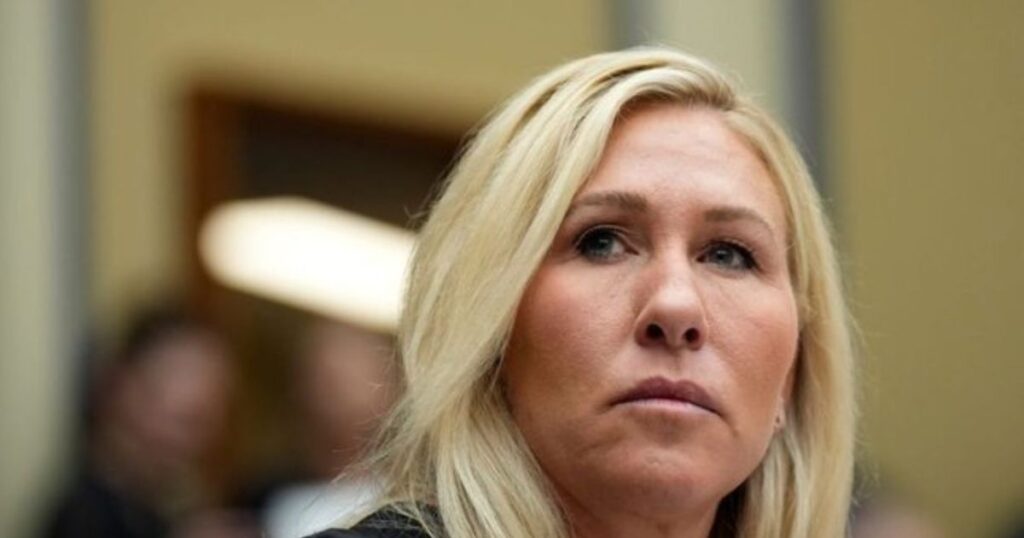
House Republicans are facing a political crisis of their own making. A trickle of retirements has turned into a significant exodus, with over two dozen GOP lawmakers announcing their plans to leave at the end of the term. This number may rise further as members return home for the holidays.
These departures are coming at the worst time for a party that barely holds one of the smallest House majorities in modern history. Every open seat and every district that becomes competitive creates more problems for Republican leadership and offers another chance for Democrats eager to gain even a slight advantage.
Historically, a president’s party sees an increase in retirements during midterm elections. However, Republicans and strategists monitoring the situation say their party is on track to match 2018, the year the GOP experienced a wave of departures that led to a loss of 41 seats. Party leaders wanted to avoid this comparison, but it looms over every new retirement announcement.
Members have spent the past year dealing with infighting, public disputes, and a speaker struggle that embarrassed the party on national television. The Marjorie Taylor Greene faction continues to cause chaos, with Greene openly mocking leadership, threatening to sabotage key votes, and turning every internal conflict into a viral incident. Her attacks have become so aggressive that several retiring Republicans have said privately that they don’t want to spend another two years watching their own party self-destruct.
ALL counties in TN-7 just shifted BLUE — in a district that’s supposed to be RUBY. RED.
If President Trump is “DELIVERING the mandate,” then why is a DEEP-RED stronghold MOVING toward Democrats across the board?
Something is not adding up. pic.twitter.com/DL9SeU90oR
— James Blunt (@JBlunt1018) December 3, 2025
National surveys show Democrats exceeding expectations in battleground districts, while Republicans grapple with an image rooted in chaos instead of effective governance. A recent poll revealed that independent voters are shifting sharply towards Democrats, citing Republican “dysfunction” as a major concern. Another poll found that trust in the GOP on key issues is declining, which raises alarms for vulnerable incumbents who are preparing for a challenging election cycle.
These numbers have led some Republicans to believe the situation is dire. It’s not just moderate members in swing districts who are leaving; even those in safe seats are departing, indicating that frustration within the party is broader than leadership would like to acknowledge.
Meanwhile, Democrats are sensing an opportunity. Their top strategists are preparing recruitment campaigns for the suddenly open districts. In several recent retirements, Democratic candidates entered the race within hours, eager to take advantage of a national landscape shifting slightly in their favor.
Republican leaders maintain that they can handle the retirements, but each announcement triggers fresh anxiety among members who are already nervous about their majority. With more than two dozen lawmakers leaving and more expected soon, the party’s slim margin is becoming dangerously fragile.
If this trend continues into the spring, Republicans could find themselves battling not only Democrats but also their own decline. With a conference still divided, no one can confidently say that the exodus has reached its limit.