



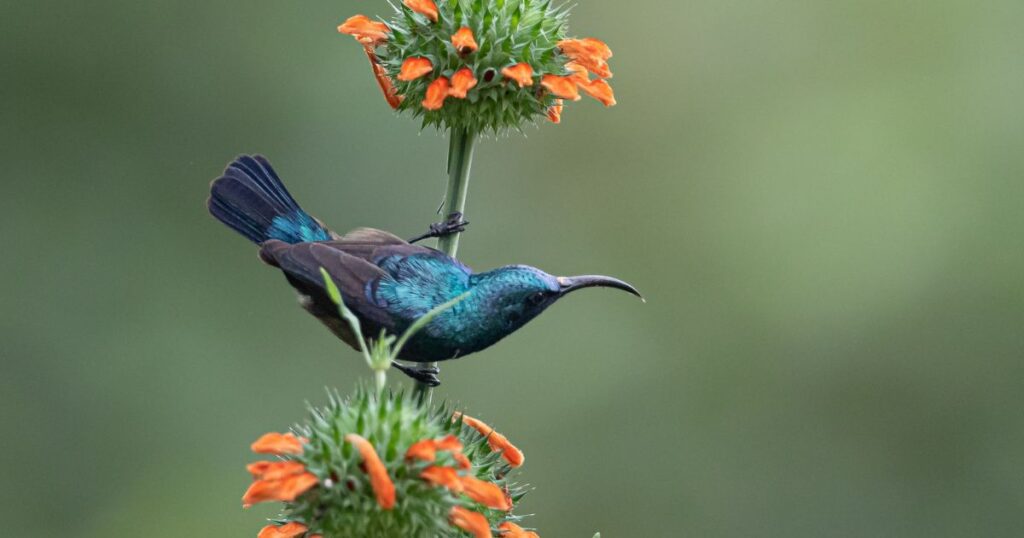
Everyone loves to have a small green space at home. Whether it’s a balcony or a garden, everyone wants a green patch with flowers blooming and hummingbirds chirping.
Lion’s Ear or Leonotis leonurus is one of the brightest flowers that one can plant. It is also the ideal choice to create a garden that is full of life.
Lion’s Ear, also called Lion’s Tail, is a shrubby plant that grows quickly and has bright orange, tubular flowers. These flowers are a great source of beauty and nectar for hummingbirds. Lion’s Ear is one of the few plants with long blooming seasons.
It will keep your garden looking bright and lively. It also offers visiting pollinators the essential nourishment they need.
Lion’s Ear is native to Africa and grows best in USDA hardiness zones 8 through 11. Under the right circumstances, it can reach a height of six feet and produce one of the most vibrant flowers.
In milder climates, it blooms from summer through fall, and in warmer climates, it blooms almost all year round. Hummingbirds are among the birds most attracted to it. They find it especially appealing because of its long flowering season. It is one of the only flowers that bloom, especially during migration seasons when food supplies are limited.
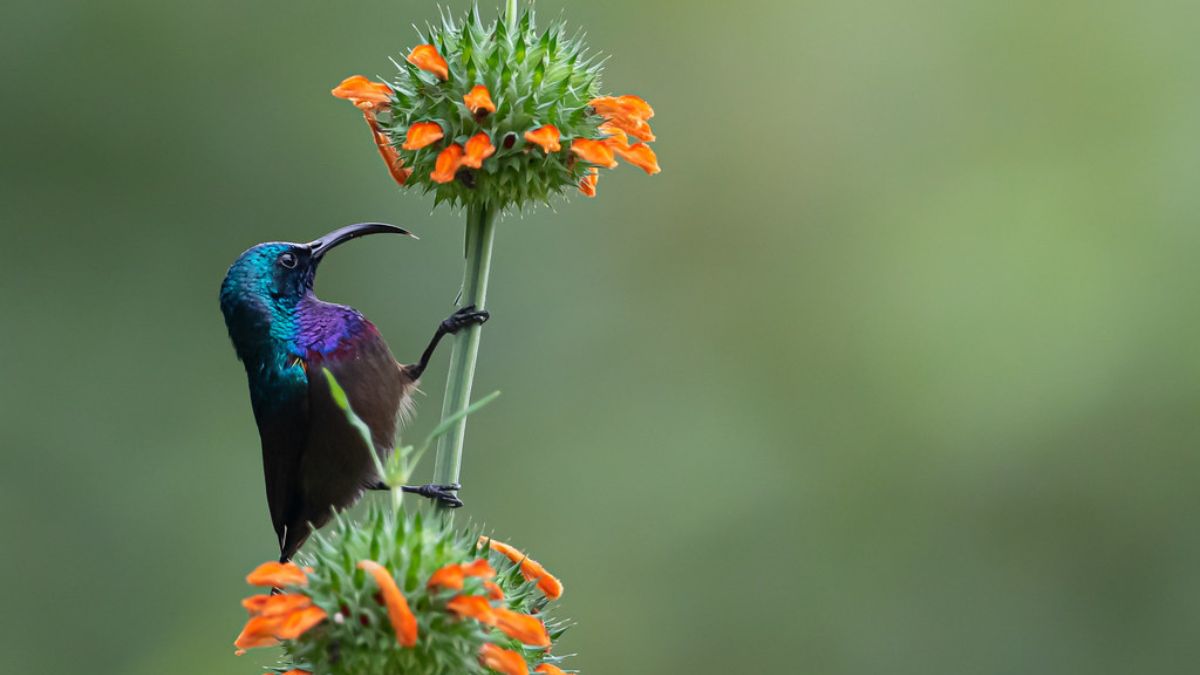
Lion’s Ear is recommended for its versatility and low maintenance requirements.
It can withstand a range of soil types, including slightly alkaline soils. However, it thrives in sandy loams that drain well. This plant loves full sun exposure, which is necessary for its optimum development and blooming.
Once established, Lion’s Ear requires little watering and can also withstand drought. Don’t worry if you occasionally forget to water it. Overwatering can damage the plant, so it’s crucial to let the soil dry out between waterings.
Lion’s Ear is easy to grow. You can grow it from cuttings or seeds. If using seeds, start them indoors. Plant them before the final frost. When the weather is safe, move them outside. When using cuttings, make sure they have a good root system in late spring or summer.
It’s easy to keep your Lion’s Ear healthy. Prune it regularly. This promotes bushier growth and more blooms in the following cycle. It is best to trim the plant before winter. It is especially important in areas where frost is a possibility.
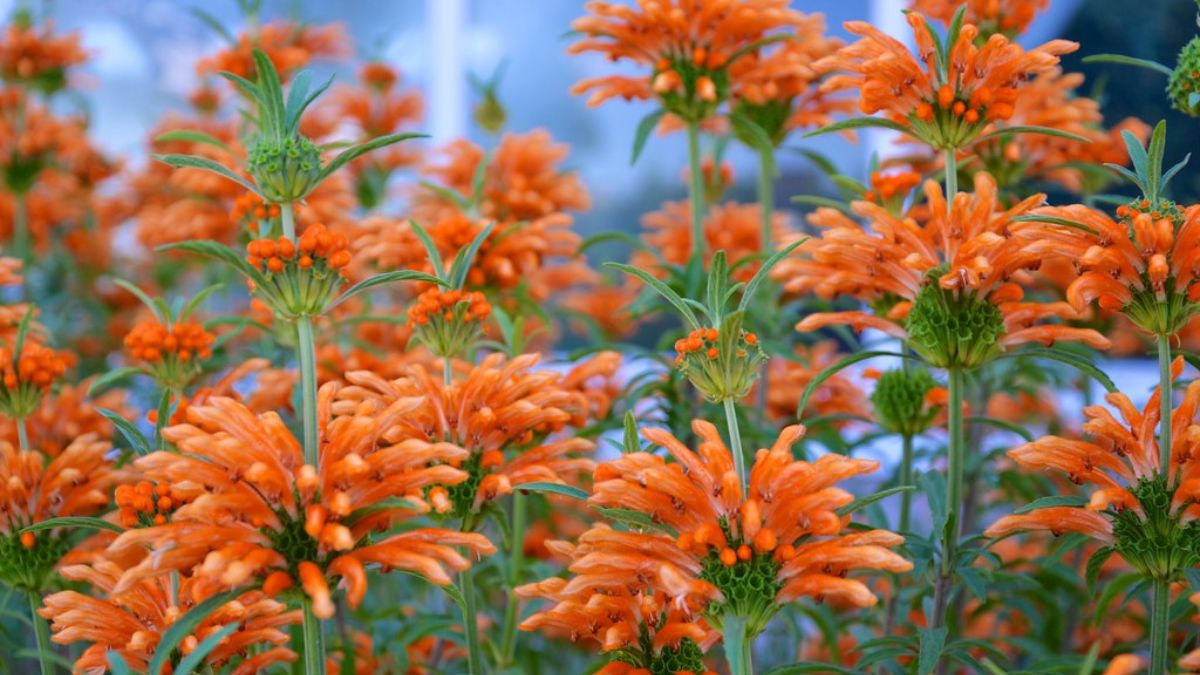
There is more to Lion’s Ear than just luring hummingbirds. It is a pollinator-friendly addition to your garden. Both bees and butterflies are attracted to its vibrant flowers.
This must be the first choice for those looking for a low-maintenance beauty. It is also low-susceptible to pests, so one can rest easy.
Adding a Lion’s Ear to your landscape provides food for pollinators and encourages biodiversity. These factors are essential for the health of regional ecosystems. It is a great option for both new and experienced gardeners.
Planting Lion’s Ear could be the ideal next step if you want a garden full of the happy flutter of hummingbirds and the soft buzz of bees.


