



One may or may not be interested in science. However, one thing we can all agree upon is that scientists conduct bizarre experiments.
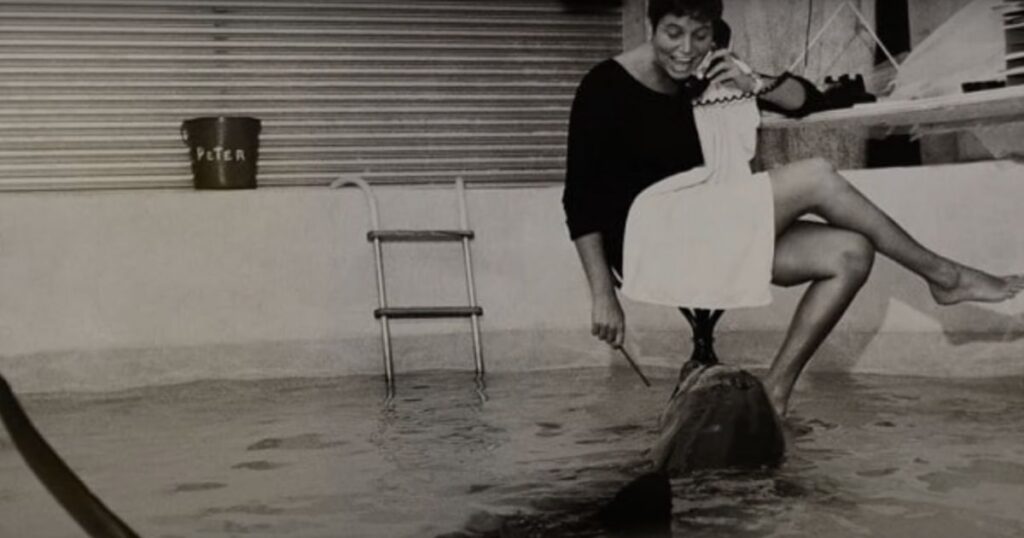
One such study is the 1960s dolphin study funded by NASA. This study had two main test subjects- Peter and Margaret. Peter was a bottlenose dolphin, and Margaret Howe Lovatt was a young researcher without any formal scientific training.
The story takes place in the Caribbean. Here, passion and ambition collided. It is still provoking discussion decades later.
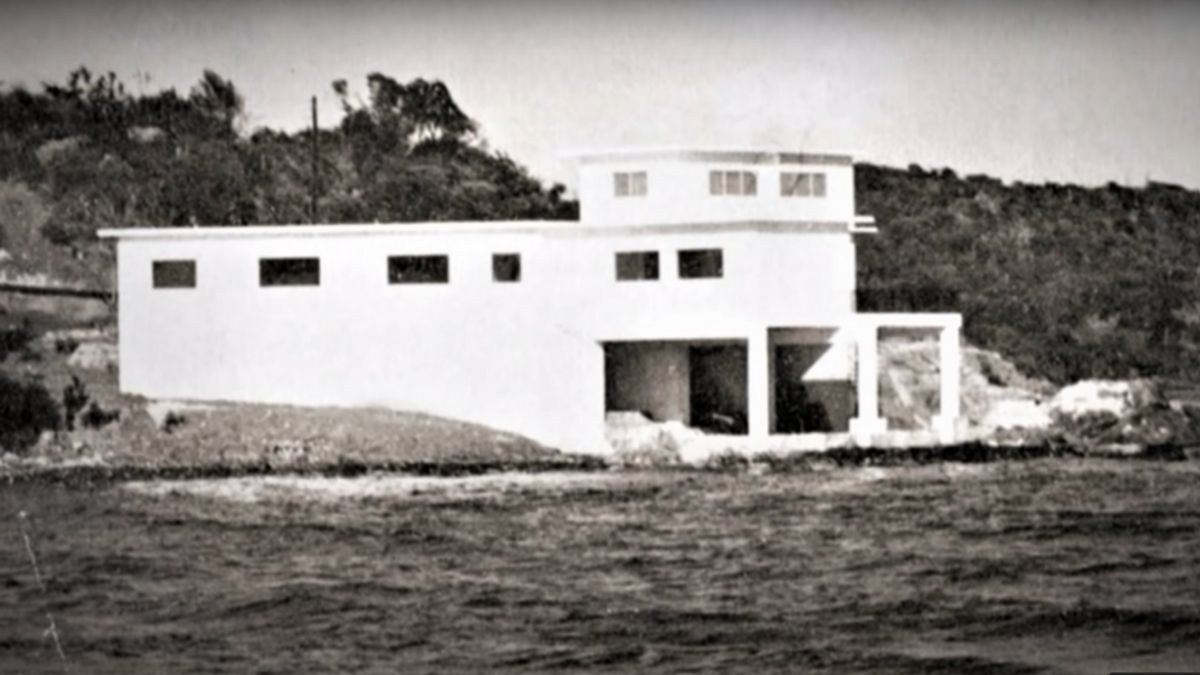
The study was on interspecies communication. The main aim was to teach dolphins to comprehend and potentially imitate human speech. For this, an experimental house was built on the island of St. Thomas. The house was half immersed in water.
NASA supported the experiment through the Communication Research Institute. It is a research institution that is interested in the possibility of interacting with extraterrestrial species. As a crucial participant, Margaret Howe lived side by side with Peter for weeks at a time.
The location itself was unique. It was a flooded, lab-style house where Howe could really immerse herself in Peter’s world. Continuous interaction was planned to accelerate the learning process. It was a daring, ambitious, and completely unorthodox scientific undertaking.
As the time went on, the NASA experiment progressed. However, there were unexpected changes in the situation. Peter was reaching his sexual maturity. With time, it began to exhibit behaviors that made the training more challenging.
Though it started as an educational study, it proceeded to reach emotional dimensions. Howe admitted that Peter was growing more and more attached to her.
The distinctions between companion, caregiver, and instructor started to become hazy. There were concerns over the effects of such intimacy on the study. Howe raised such concerns and wrote about them in her own diaries. She clearly described the times when Peter’s demand for attention changed from cerebral stimulation to physical engagement.
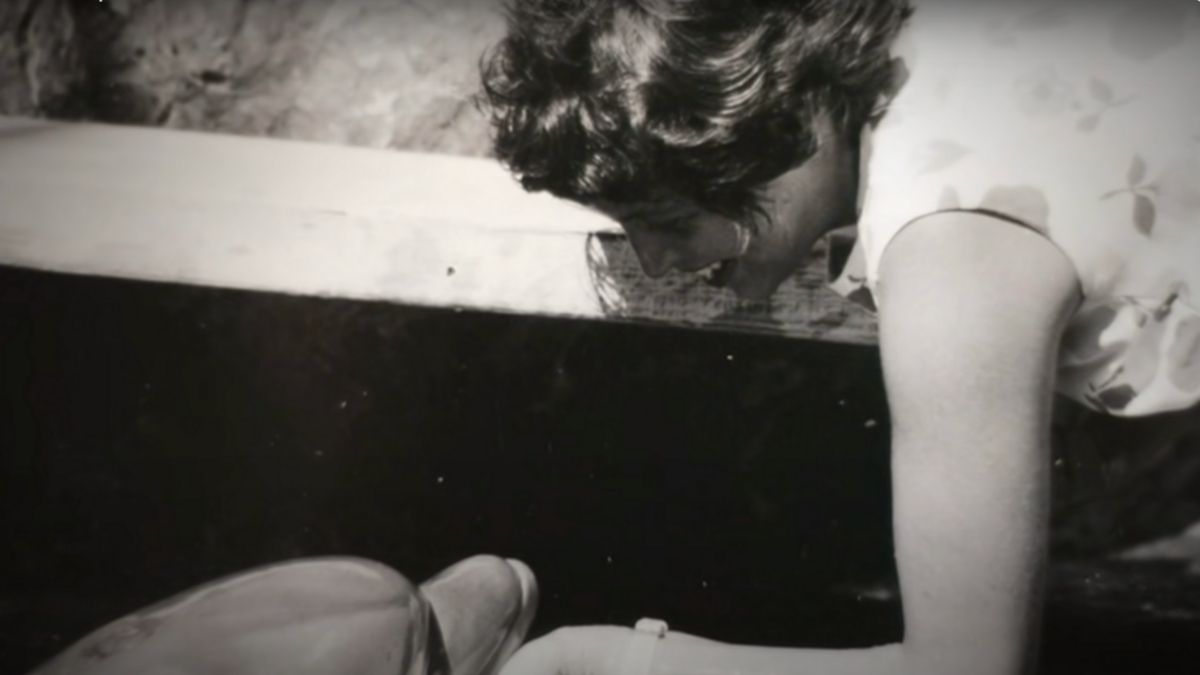
Howe was trying to teach Peter English sounds, such as “ball” and “hello.” However, they were only partially successful. Peter’s increasing sexual cravings frequently caused those attempts to fail. Howe occasionally manually relieved Peter to keep him engaged in the lessons. This practice was controversial and unethical. However, Howe claims that this was much quicker and less disturbing. She said that moving Peter to be a female dolphin was a waste of time and effort. However, these interactions gave Peter a false sense of connection.
These unconventional methods brought attention to the serious difficulties in studying humans and animals. Howe was his main source of affection, excitement, and interaction. This function produces an emotional feedback loop that neither of them fully comprehends.
Howe kept claiming that her interactions and relationship with Peter were of affection and curiosity. However, it was evident that Peter was much more emotionally and sexually dependent on Howe.
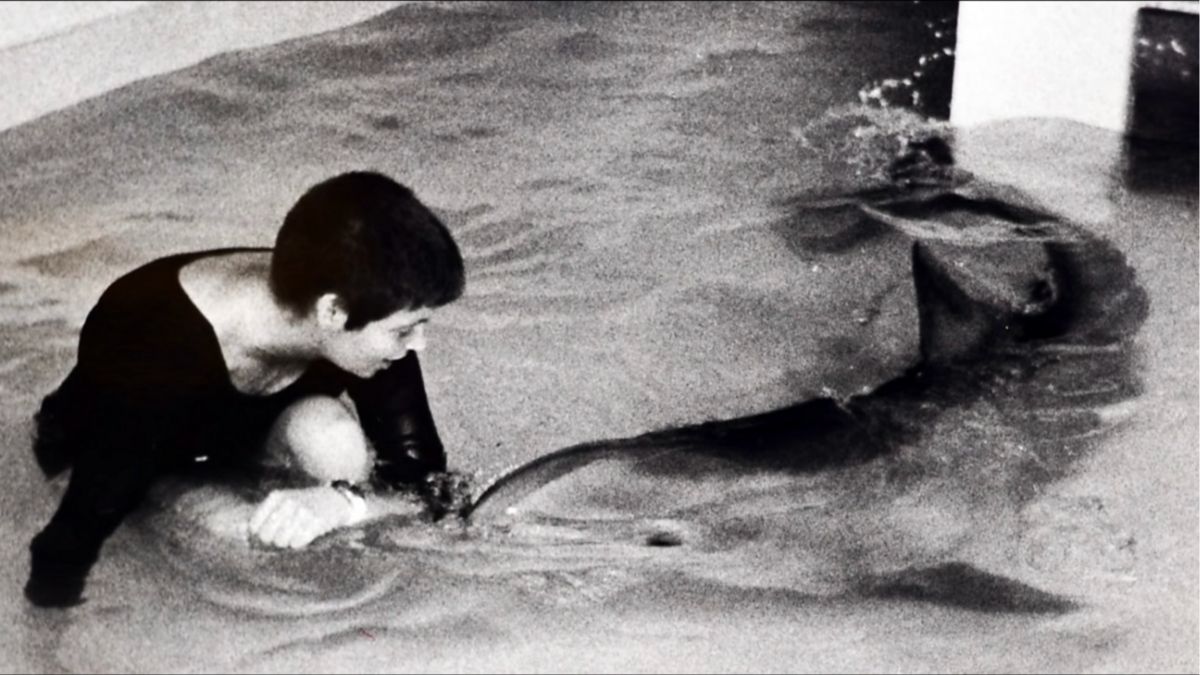
This gave birth to an important discussion in the scientific community. How far can scientist push the boundary with animals as their test subject? How much affection is too much affection? Is it even ok to introduce animals to this level of emotional dependency?
After the revelation of Howe and Peter’s length of interactions, the NASA ended the studies abruptly. Peter was then transferred to a facility in Miami. But Peter was alone there. He was only accustomed to Howe for all his emotional needs. He soon fell sick and died.
His vet said his loneliness and sadness were the main cause of his death.
Peter will always remain a big part of animal studies and a cautionary tale. We may think animals do not have emotional capacity, but then we can not introduce them to a world of love and affection just to abandon them because we are incapable.