U.S. jets strike missile launch site on Iran's Qeshm Island, official says
The strike came hours after Iran said its drones targeted a U.S. radar in Bahrain; U.S. Central Command said the drones were intercepted.
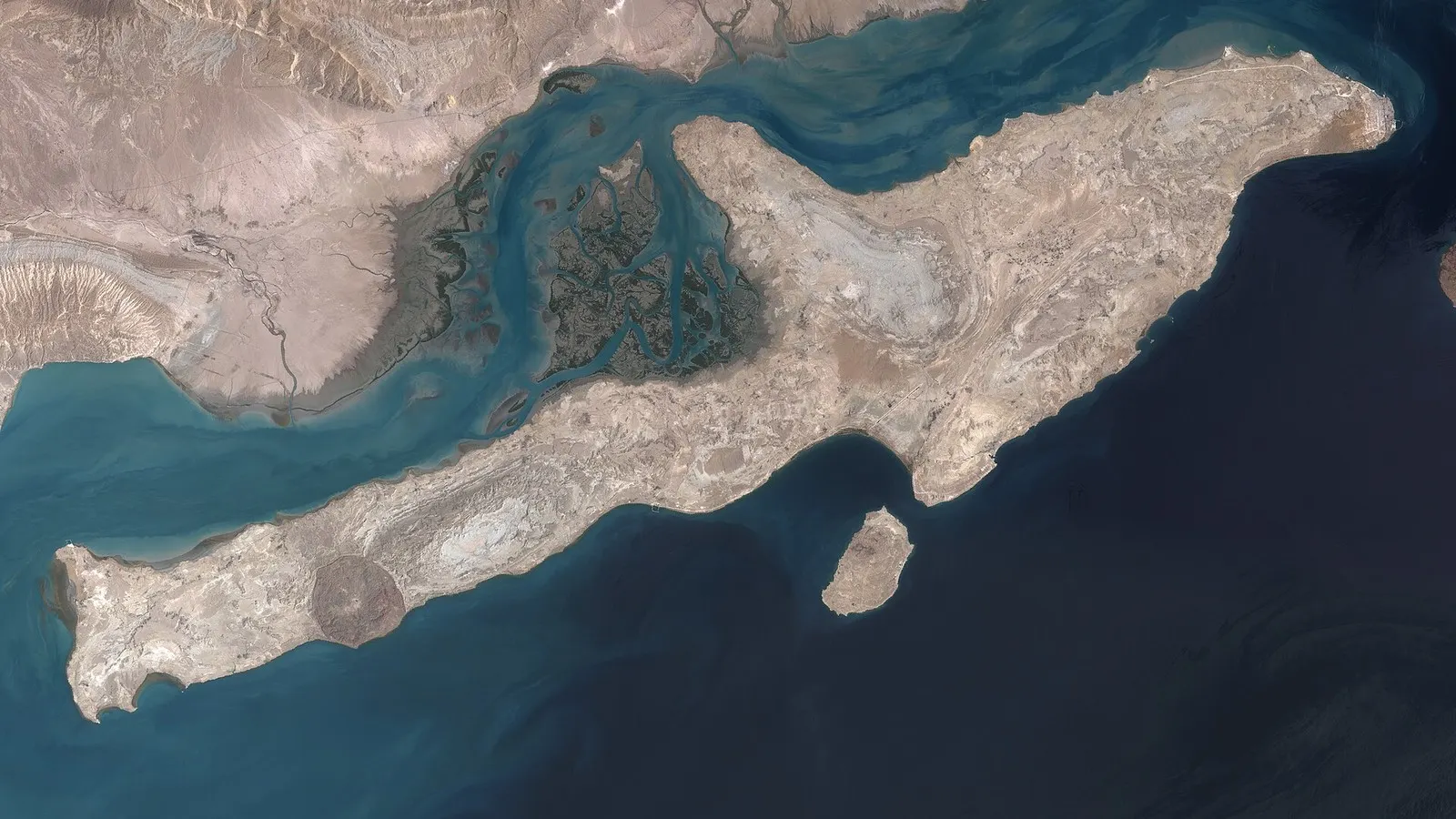
U.S. jets struck an Islamic Revolutionary Guard Corps (IRGC) missile launch site on Iran's Qeshm Island on Tuesday, a U.S. military official said, hours after Iran said its drones targeted a U.S. radar in Bahrain.
The drone operation was Iran's third against American military targets in Bahrain in five days. Iran said it was retaliating after U.S. strikes on Iranian communications towers and continuing U.S. drone surveillance, The Associated Press reported. The exchanges broke a roughly two-month lull in fighting.
A U.S. military official said the aircraft “used precision munitions” against the site “in self-defense.” The official said the strike “was in response to IRGC aggression targeting U.S. personnel and assets,” and did not specify the aggression. Two U.S. military officials confirmed the strike to Fox News.
Qeshm Island sits off southern Iran in the Strait of Hormuz. Iranian officials placed the strike on Tuesday evening, according to Euronews, while state news agency IRNA said five to six explosions were heard in the city of Qeshm.
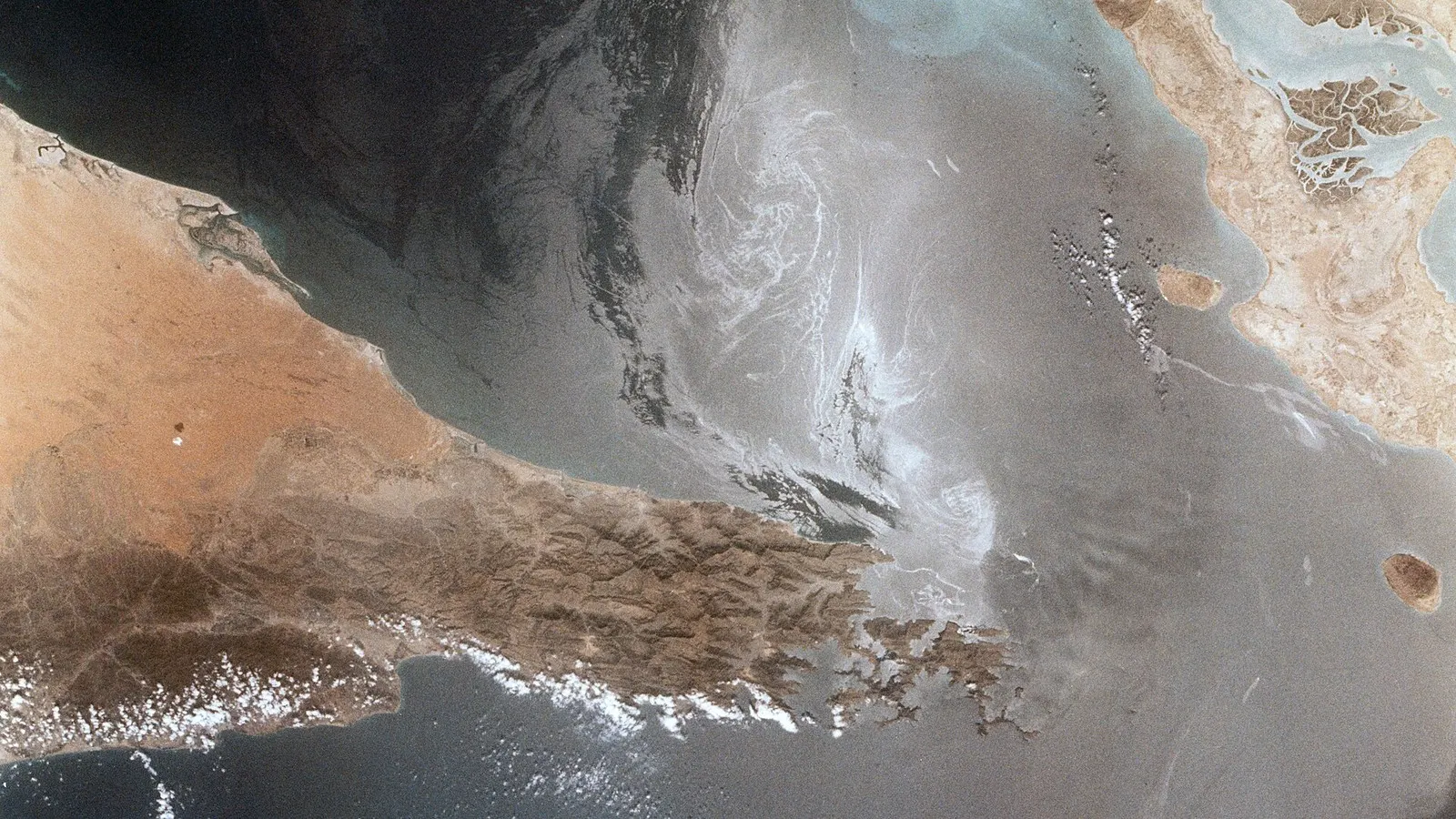
“The American attack on locations on Qeshm Island caused no damage to residential, commercial, or infrastructural areas,” Ahmad Nafisi, deputy governor of Hormozgan province, told IRNA. Nafisi said the island was under control, with relief, service and executive agencies fully alerted.
It was not immediately clear whether the launch site sustained damage or casualties, how many sites were hit or whether Iran would retaliate.
Drone attacks on Bahrain
Bahrain is home to the headquarters of the U.S. Navy's Fifth Fleet. Iran targeted a U.S. early warning radar facility in the country on Nov. 13.
The IRGC said it used six drones on Sunday to target a U.S. radar system at the Al-Rifaa helicopter base. As sirens sounded, Bahrain's Interior Ministry urged residents to remain calm and “proceed to the nearest safe location.”
Early Tuesday, the IRGC said its combat drones targeted “a radar system operated by US forces at the Sheikh Isa Air Base in Bahrain.” It said the operation responded to repeated violations of Iranian airspace by U.S. military drones. The IRGC warned that hostile actions against Iran launched from regional bases “will not go unanswered.”
U.S. Central Command rejected the IRGC's assertion that its drones hit the radar. Multiple Iranian one-way attack drones were intercepted, the command said, with no damage to U.S. equipment or injuries to American personnel.
🚫 CLAIM: Iran's Islamic Revolutionary Guard Corps (IRGC) claimed its drones hit a U.S. military radar system at a base in Bahrain early this morning. This is FALSE.
— U.S. Central Command (@CENTCOM) November 17, 2026
✅ FACT: Multiple Iranian one-way attack drones launched by the IRGC today towards Bahrain were intercepted
Bahrain's armed forces said they “confronted, intercepted and destroyed a number of treacherous Iranian aerial attacks.” Bahrain said no casualties or damage had been reported.
IRGC spokesperson Hossein Mohebbi said Bahrain had made three key mistakes, including “cooperating in the invasion of the Islamic Republic of Iran, remaining within the US security bubble, and encroaching on the sanctity of Shiite religious authority.”
The attack came after Bahrain sentenced 64 people, most of them Shiite clerics, to life in prison on charges of colluding with Iran to undermine the state, The Times of Israel reported. Iran's foreign ministry condemned the verdict and dismissed the accusations as baseless.
Qatar's Foreign Ministry said Iran's attacks violated Bahraini sovereignty and amounted to “a grave escalation” that undermines diplomatic efforts. Egypt, Saudi Arabia and the United Arab Emirates condemned the attack as well.
On Tuesday, Iranian Foreign Minister Abbas Araghchi visited Oman and said he met Sultan Haitham bin Tariq to brief him on Iran's diplomatic initiative to end the war.
Stalled talks and blockade
U.S. and Israeli strikes on Iran began the war on Feb. 28. The opening attacks killed senior Iranian officials and commanders, among them Supreme Leader Ayatollah Ali Khamenei, ABC News reported.
The U.S. and Iran signed a memorandum of understanding in June intended to end the war, but negotiations remain stalled. Analysts told the AP that the impasse and growing economic pressure on Tehran were increasing the risk of a substantial escalation.
“Tehran knows it needs to do something, but I wouldn't overestimate what we saw against Bahrain this week. This is not it — yet,” said Sascha Bruchmann, a Bahrain-based defense analyst at the International Institute for Strategic Studies. Bruchmann told AP News that shooting at ships “causes fear, but is not effective enough to change the strategic equation.”
Mostafa Najafi, a Tehran-based security analyst, said the Bahrain attacks could mark a change in Iranian strategy. He said Iran had spent months waiting for an attack before retaliating against the operational capability of bases. Iranian officials have described the current situation as “no war, no peace” and vowed to end it.
President Donald Trump has said he will keep a U.S. naval blockade on Iran because it has continued disrupting shipping in the strait. Hamidreza Azizi, senior Iran analyst at the International Crisis Group, wrote that Iran's leaders would weigh whether “breaking the blockade through escalation is less costly than accepting its continuation.”
Azizi wrote that the risk of renewed war no longer rests only on Trump's decision about another attack on Iran. “It also depends on whether Tehran concludes that the costs of continued restraint have become greater than the risks of escalation,” Azizi wrote.
Trump has said new strikes on Iran are highly unlikely, but he sent a third aircraft carrier and thousands more troops to the Middle East, the AP reported. Trump also told Vice President JD Vance that talks were unnecessary for now, the AP reported.
Qatari Foreign Ministry spokesman Majed Al Ansari said any escalation posed an “extremely grave danger” to the chances of an agreement. Qatar's mediation between the U.S. and Iran continued, he said, with a meeting planned with the Iranian side later Tuesday to exchange views on proposals under discussion.
Sources
- The Times of Israel: US strikes Iran’s Qeshm Island after Tehran attacks American radar site in Bahrain
- Fox News: US carries out self-defense strike on IRGC missile launch site on Qeshm Island
- ABC News: Iran live updates: US conducts airstrikes on Qeshm Island, US military official says
- AP News: A 2-month lull ends with Iran’s third strike on US targets in Bahrain, and US retaliation
- CBS News: Live Updates: U.S. launches strikes on Iran's Qeshm Island in Strait of Hormuz
- Euronews: US strikes targets in Qeshm Island after ships catch fire in Hormuz
- Al Jazeera: Iran says it targets US radar in Bahrain. What do we know?
- Washington Examiner: US strikes Revolutionary Guard missile launch site on Qeshm Island in retaliatory attack
- U.S. Central Command (@CENTCOM) on X