Swiss voters loosen arms export rules but keep Ukraine excluded
The reform passed 54.3% to 45.7% and covers 36 mostly Western partners, but direct arms deliveries to Ukraine remain prohibited.
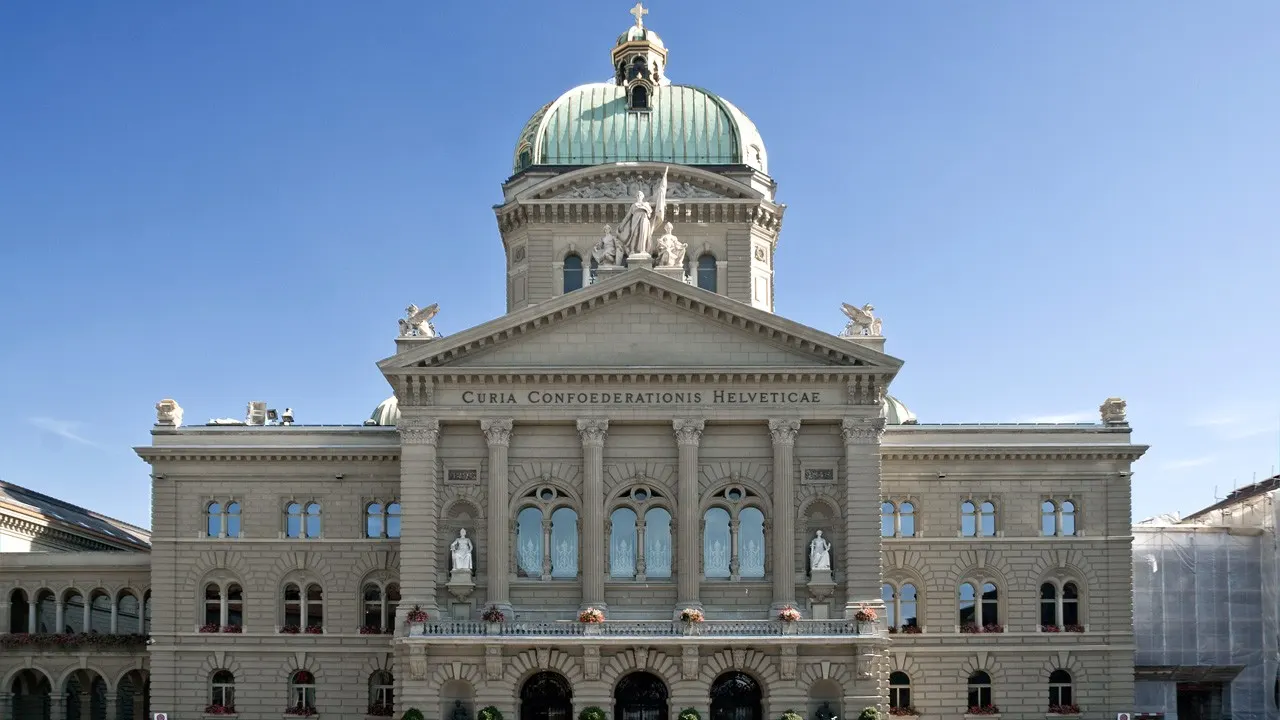
Swiss voters approved easing the country's strict arms export rules in a nationwide referendum Sunday, backing a government reform that loosens controls for 36 mostly Western partner countries but leaves Ukraine out.
The amendment to the War Materiel Act passed with 54.3% of the vote against 45.7%, according to final results from the Federal Statistical Office. Before the reform, Switzerland did not export arms to nations involved in armed conflicts, whether they were the aggressor or defending themselves.
The new rules let the government allow weapons deliveries to a partner state involved in an armed conflict, as long as the deliveries fit with Swiss neutrality and the country's foreign and security policy interests. Buyers of Swiss war materiel will no longer need Switzerland's consent in every case before passing it on, though Switzerland keeps the right to require it for neutrality or foreign policy reasons.
The 36 countries include every European Union and European Free Trade Association member except Liechtenstein, which has no army, plus Argentina, Australia, Japan, Canada, New Zealand, the United States and Britain.
President Guy Parmelin told reporters after the result that he was "pleased." He said the question of whether and to whom Switzerland supplies war materiel "touches upon fundamental aspects of our nation."
"Crises can erupt rapidly, including here in Europe," Parmelin said. The amendment, he said, would let the Federal Council regain the room for manoeuvre it once had, and Switzerland "must remain integrated into the supply and value chains of our partners."
Ukraine is the exception. Direct arms deliveries there remain prohibited, the Swiss government said, and indirect transfers will still face restrictions. Russia is subject to a Swiss arms embargo, and neutrality laws also bar Switzerland from sending weapons to Kyiv.
Centre Party official Marianne Binder, who supported the reform, welcomed the result but called Ukraine's exclusion a "fly in the ointment" in remarks to SRF.
The federal government and other backers said the reform was needed to strengthen Switzerland's defence industry and military. Christophe Gerber, chairman of the defence and security industry association GRPM, told RTS he felt "great satisfaction," thinking of "the industrial manufacturers who will be able to regain some peace of mind in their activities."
Left-wing parties, Greens and NGOs disagreed. They forced the vote under Switzerland's direct democracy system, arguing the change endangered neutrality. Opponents also called it a surrender to the arms lobby and said they feared it would give extremists and lawless states easier access to Swiss weaponry.
Amnesty International Switzerland campaigned to keep the existing controls. Its campaigns manager, Patrick Walder, wrote before the vote that "an authorisation given today is not enough to guarantee that arms will not be used tomorrow against civilians or re-exported to a country involved in grave violations."
After the result, Walder pointed to the country's remaining obligations. "This 'yes' vote does not absolve Switzerland of its responsibility to protect human rights and international law in the context of its arms exports," he said in remarks quoted by broadcaster RTS.
Allies pressed over Ukraine
Switzerland's neutrality was formally recognised after the Napoleonic wars ended in 1815 and is enshrined in its constitution. After Russia's 2022 invasion of Ukraine, Swiss arms exports plummeted as European buyers looked to other sources.
Germany reproached Switzerland when it blocked the transfer to Ukraine of Gepard tank ammunition that Germany had bought three decades earlier. Spain was refused permission to send Swiss-made Piranha III armoured vehicles, and Denmark was barred from sending two 35mm anti-aircraft guns.
In a 2023 resolution, the European Parliament said it regretted the re-export ban and urged Switzerland to change course. The Swiss parliament voted in 2025 to ease the restrictions, as the invasion raised concerns about European security. That year, the Federal Council said "an increasing number of countries are … excluding Switzerland from procurement projects and supply chains," and blamed its refusal of re-exports to Ukraine.
In the week before the vote, France's defence minister, Catherine Vautrin, told the Neue Zürcher Zeitung that Swiss and French industry could have fewer chances to work together in future if the restrictions stayed, The Guardian reported.
It was not immediately known when the amended War Materiel Act will take effect.
Sources
- UPI: Swiss voters approve referendum loosening rules on arms exports - UPI.com
- AP News: Swiss voters approve easing arms export rules for Western partners
- The Guardian: Switzerland votes to ease strict restrictions on arms exports
- BBC News: Switzerland votes to ease strict arms export rules
- Yahoo News: Swiss voters support looser arms export rules and banning fireworks