

Young voters who helped Donald Trump promote a new, online-friendly version of MAGA in 2024 now view the movement as embarrassing and out of touch. Some say its image has shifted from “cool” to “cringe” as the administration focuses more on internet stunts, influencer politics, and culture-war branding.
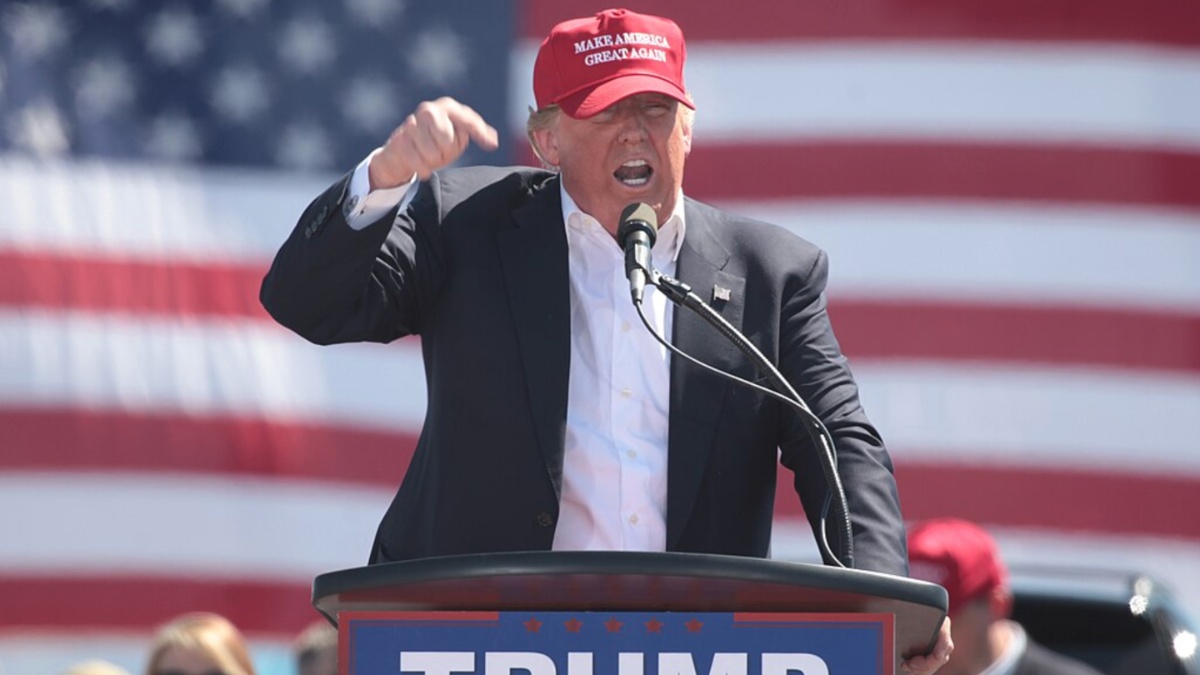
This change marks a sharp contrast to the excitement surrounding Trump’s return to power. During and after the 2024 campaign, a younger group of supporters aimed to present MAGA as stylish, rebellious, and culturally influential, according to The Washington Post.
They brought in influencers, right-wing media figures, and young conservatives who portrayed Trump’s movement as an anti-establishment force in online culture. However, many within that group now feel the act has become stale and that the effort to appear edgy has made the movement seem forced.
The Post reported that some of the backlash comes from individuals who once embraced the so-called “vibe shift.” This idea suggested youth culture was moving rightward and that Trump’s coalition had become the new cool.
In 2024, President Trump drew more support from young voters than any Republican presidential candidate in two decades.
But now, some young voters are questioning why they even voted in the first place. pic.twitter.com/IkCRIKS735
— Steven Shaw 💙💙🌊 (@ShawS983) March 17, 2026
Instead, critics quoted in the report argued that the movement has turned performative and awkward, burdened by imitative personalities, clumsy attempts at viral content, and an expanding group of supporters who do not align with the image younger backers thought they were joining.
One person cited by the paper mentioned that in politics, popularity matters, but for those drawn to MAGA’s edgy image, mainstream acceptance can lessen its appeal.
This image issue coincides with Trump losing support among younger voters on more concrete matters. A Washington Post report published on March 16 found many young voters who backed Trump in 2024 now feel betrayed over the economy and the war with Iran, with some considering sitting out the 2026 midterms.
The report indicated that Trump’s support among younger voters partly stemmed from podcasts, influencers, and online personalities popular with young men, the very ecosystem that helped give his campaign a cultural advantage.
Whoa! Didn’t expect to wake up to this news.
“A year into Trump’s term, voters say Biden was better.”
Trump’s net approval on the economy is now -18. That’s 26 points worse than this point in his first term and a brutal 53 points lower among independents.
Young voters have… pic.twitter.com/IL80A0ykfp
— Christopher Webb (@cwebbonline) February 13, 2026
Other recent data supports this trend. Time reported in February that Trump’s approval among young voters dropped significantly, with surveys showing high dissatisfaction among those ages 18 to 29 regarding healthcare, foreign policy, affordability, and immigration.
Pew Research Center’s analysis of the 2024 election showed Trump won 39% of voters ages 18 to 29, indicating gains with younger Americans despite not winning that age group overall.
The political risk for Republicans is that this cultural shift may now be working against them. What once seemed fresh to parts of the online right now risks appearing overproduced and self-mocking, especially for younger supporters who were attracted by the promise of authenticity.
The Post’s report suggests some of these voters are not just disagreeing with Trump on policy; they feel embarrassed by the movement’s style and presentation.
Trump remains the leading figure in Republican politics, and none of the reports indicate a mass departure from his base.
However, the complaints from younger supporters challenge one of the movement’s key selling points: that it represents the future of conservative culture. For some voters who helped promote that concept, the brand no longer feels rebellious; it simply seems cringe.