Nevis leaders weigh $1 billion tax-free zone deal with Destiny
Citizenship sales that brought in some $2.5 billion are ending under EU pressure, while critics fear land seizures and water strain from the zone.
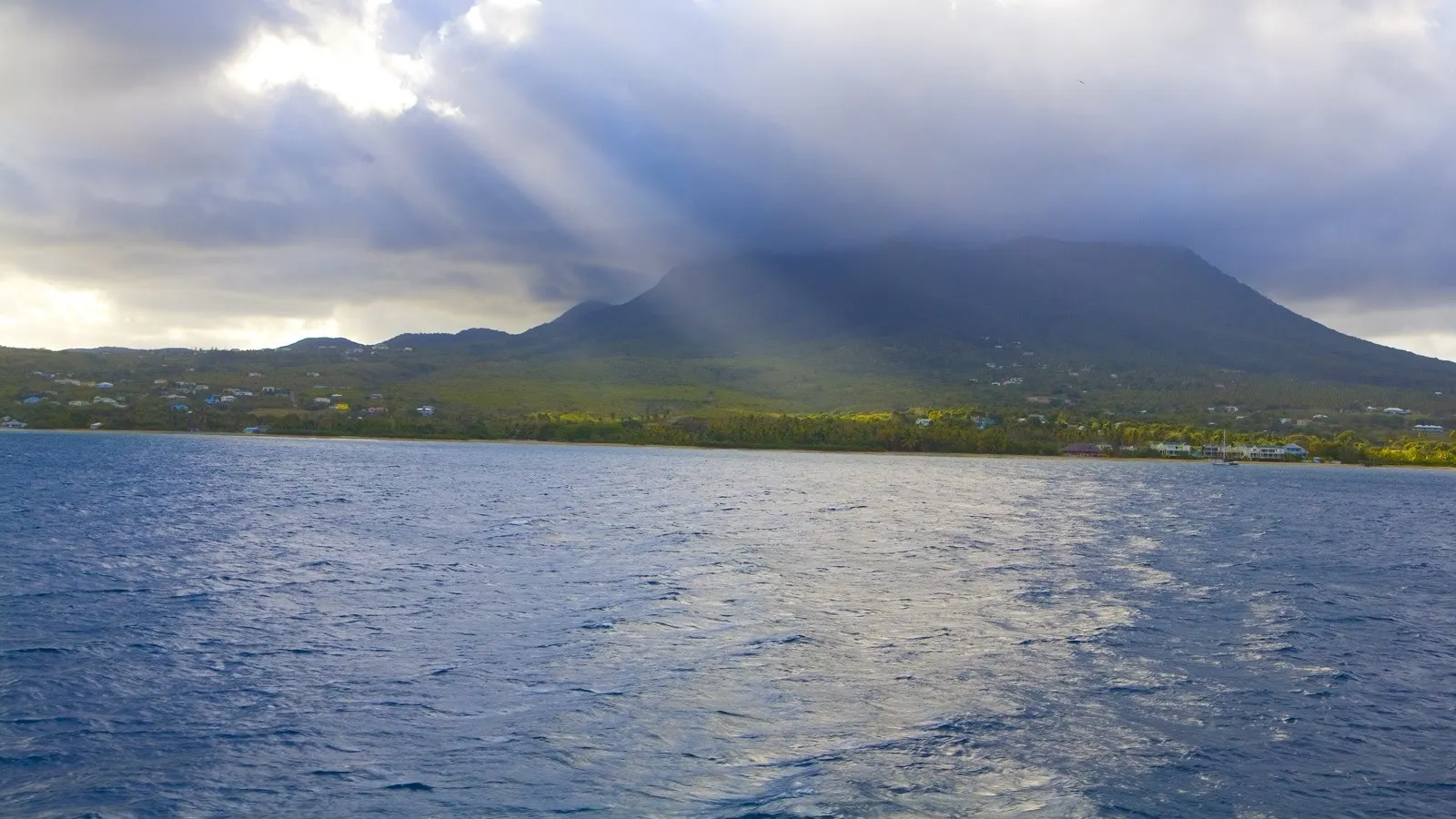
Nevis leaders are weighing a $1 billion deal that would hand a private developer a tax-free zone covering nearly 12% of St. Kitts and Nevis' territory, just as the country's citizenship sales wind down.
The published agreement summary calls that area a possible maximum, with the zone starting as a much smaller parcel.
The country is ending, under European Union pressure, a citizenship-by-investment program that brought in some $2.5 billion tax-free over more than a decade, The Associated Press reported. Premier Mark Brantley said the program once represented more than 25% of gross domestic product, revenue he said would be hard to replace quickly.

Developer Destiny announced Friday it had reached "broad agreement" with officials. Its founder, Olivier Janssens, is a Belgian cryptocurrency billionaire, according to broadcaster VRT NWS.
No agreement has been signed, though, and the federal National Assembly must also approve the deal, according to the Nevis Island Administration.
"We have put all 222 pages of the proposed agreement into the public domain," Brantley told the AP.
Under the draft agreement, the zone and everyone in it would pay no government taxes or charges. The Constitution and national control of citizenship, immigration, customs, defense, foreign affairs and elections would still apply.
Inside the zone, a "Code of Destiny" would govern civil matters and criminal procedure, and Destiny would run its own security.
In return, Destiny would have to invest $250 million in its first 66 months. Construction must begin within six months.
The developer would also pay $50 million for Nevis government priority projects by the end of 2031, with the first $10 million going to expand Alexandra Hospital.
Destiny may count that money against what it later owes on home sales and the administration's 10% profit share, SKN Daily reported, citing the Nevis summary.
Those home-sale payments would be $10,000 to the government for every new home sold. Destiny has also pledged 10% of net profits to the Nevis government and another 10% to a development fund.
Another 5% of net profits would go directly to Nevisians, though Brantley said details are still being worked out. Janssens said he plans to pay each Nevisian $100 a month until the development turns a profit and that share begins.
"Citizens of St Kitts and Nevis will have first priority for jobs, from construction to hospitality, and local businesses will have opportunities to supply goods and services," Destiny said.
Opponents of the deal fear land seizures and environmental violations under what some have called a "neocolonial system," the AP reported. Some Nevisians say they have been offered deals for property that was not for sale and could not get Land Registry documents for the land they live on.
Brantley said the government "has not sold one single square inch" to developers. He said the Land Registry holds documents on all titled land and that land transactions would be private and voluntary.
Opponents also object that the bill authorizing the zone passed in 2025 without public hearings. Brantley said the process was no different from that of other bills.
Former Prime Minister Timothy Harris, speaking in 2025 before details were public, called the proposal a "colossal betrayal of the people."
Critics also see a risk to the island's water. The island has imposed several water-rationing measures in the past decade amid regional droughts, and opponents warn the development would strain Nevis' resources.
Janssens said 70% of the zone's energy must be renewable and developers plan to collect rainwater and invest in reservoirs.
Brantley turned the question back on critics, asking what alternative they would propose for diversifying Nevis' economy.
Caricom, the regional trade bloc, said in an August statement about special zones across the Caribbean that they "have also failed, repeatedly, and the failure modes are consistent," citing very small islands with limited tenants, workers, power and freight.
The Nevis Island Assembly is scheduled to give the enabling legislation its first reading Monday, then adjourn for public review before the second and third readings.