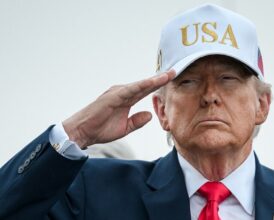


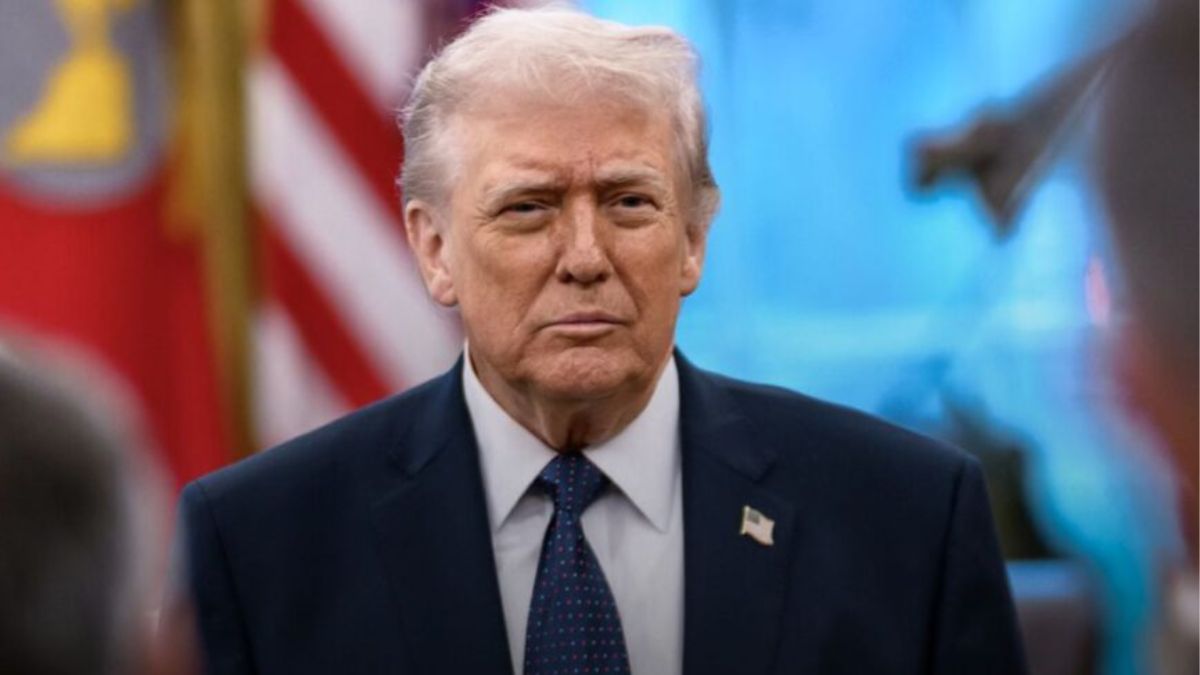
President Donald Trump said there might be a renewed conflict with Iran. As tensions across the Middle East intensify, the United States, Israel and Lebanon have expressed concern about a broader regional escalation.
Trump’s remarks came after Iran’s president, Masoud Pezeshkian, described the U.S. naval blockade of Iranian ports as an “extension of military operations” and called the situation “intolerable.”
According to Reuters, the naval blockade of Iranian ports has significantly affected Iran’s oil exports. Some ships have reportedly turned off their tracking systems as US forces intercept Iranian vessels.
While it remains difficult to estimate how much oil Iran is exporting amidst the escalating tensions, especially to its main consumer, China, data shows that only a small number of tankers carrying Iranian oil left the Gulf of Oman between April 13 and 25. This marks a drop of more than 80% compared to March, when Iran exported about 23.4 million barrels of oil.
As Iran’s currency, the Rial, has dropped to a new low against the U.S. dollar, the country has been hit hard by economic strain from airstrikes under Operation Epic Fury. The International Energy Agency described the situation as the largest hindrance to global oil production and supply in recent history.
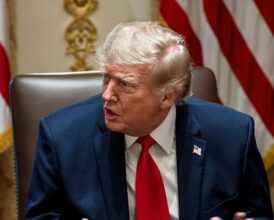
Meanwhile, Donald Trump, who has made stern warnings to Iran since the airstrikes began on February 28, said “we might need” to restart the war with Iran, referring to their alleged secret diplomatic talks, which the President previously claimed were a main reason the conflict started.
“Nobody knows what the talks are except me and a couple of other people,” Trump added, implying that Iran’s political ambitions may be laid out in a tighter and more controlled way.
According to Al Jazeera, Iran’s semi-official Tasnim News Agency reported that air defence activity heard in Tehran was part of efforts to counter “small aircraft and reconnaissance drones.”
View this post on Instagram
Although details about these fatal strikes remain limited, reports suggest the Iranian government has been monitoring possible aerial threats that have created a tense and uncertain state across the country. As U.S.-Israel airstrikes enter their 62nd day, Trump has defended the blockade and urged Tehran to “just give up” as concerns grow around the Strait of Hormuz.
Iran has strongly rejected the move. Parliament Speaker Mohammad Bagher Ghalibaf dismissed the U.S. campaign as ineffective, while Iranian military officials said their restraint so far has been aimed at dealing with the issue in a diplomatic way.
Meanwhile, violence has also raised tensions along Israel’s border. According to Lebanon’s National News Agency, Israeli strikes in southern Lebanon killed more than 30 people in a single day.
→ The airstrikes have further strained the already fragile ceasefire between Israel and Lebanon, partly backed by the United States. The ceasefire, fragile due to periodic political differences, has become more vulnerable as both sides continue attacks.
View this post on Instagram
As the global spotlight remains on the disturbed regions, with the war’s cost now borne by many countries, Israel announced it would transfer 175 activists from the Gaza-bound Global Sumud Flotilla to Greek authorities.
The activists were detained by Israeli forces while traveling in international waters, raising questions about the legality of the interception. The flotilla aimed to challenge restrictions on Gaza and highlight the prolonged humanitarian crisis there.
Israel said the actions were necessary for security, citing risks such as weapons smuggling and militant activity. Overall, the conflict has created widespread uncertainty across the region.
From never-ending political negotiations between Iran and the U.S. to deadly strikes in Lebanon, only time will reveal the fate of the conflict that has managed to challenge the values of peace and humanity.