Judge Cooper blocks Trump's newer citizenship order in 2nd ruling against it
The Washington ruling follows a Maryland judge's decision blocking part of the order and extends protections to more children.
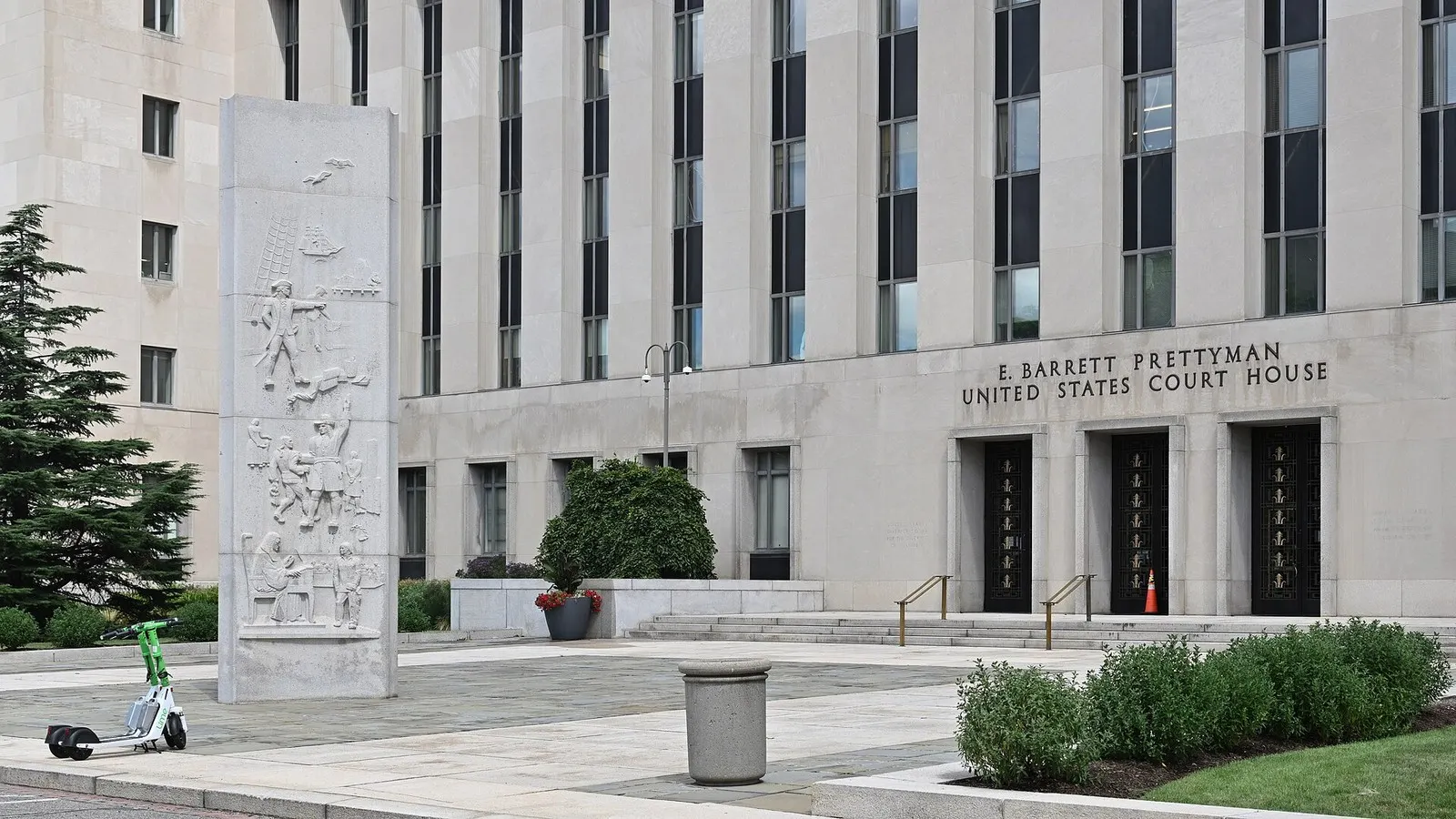
U.S. District Judge Christopher Cooper blocked President Donald Trump's newer birthright citizenship order for a class of children in Washington on Wednesday, making his court the second to rule against the order.
Trump signed the order in August, after the Supreme Court struck down his first birthright citizenship order in a 6-3 vote in June in Trump v. Barbara.
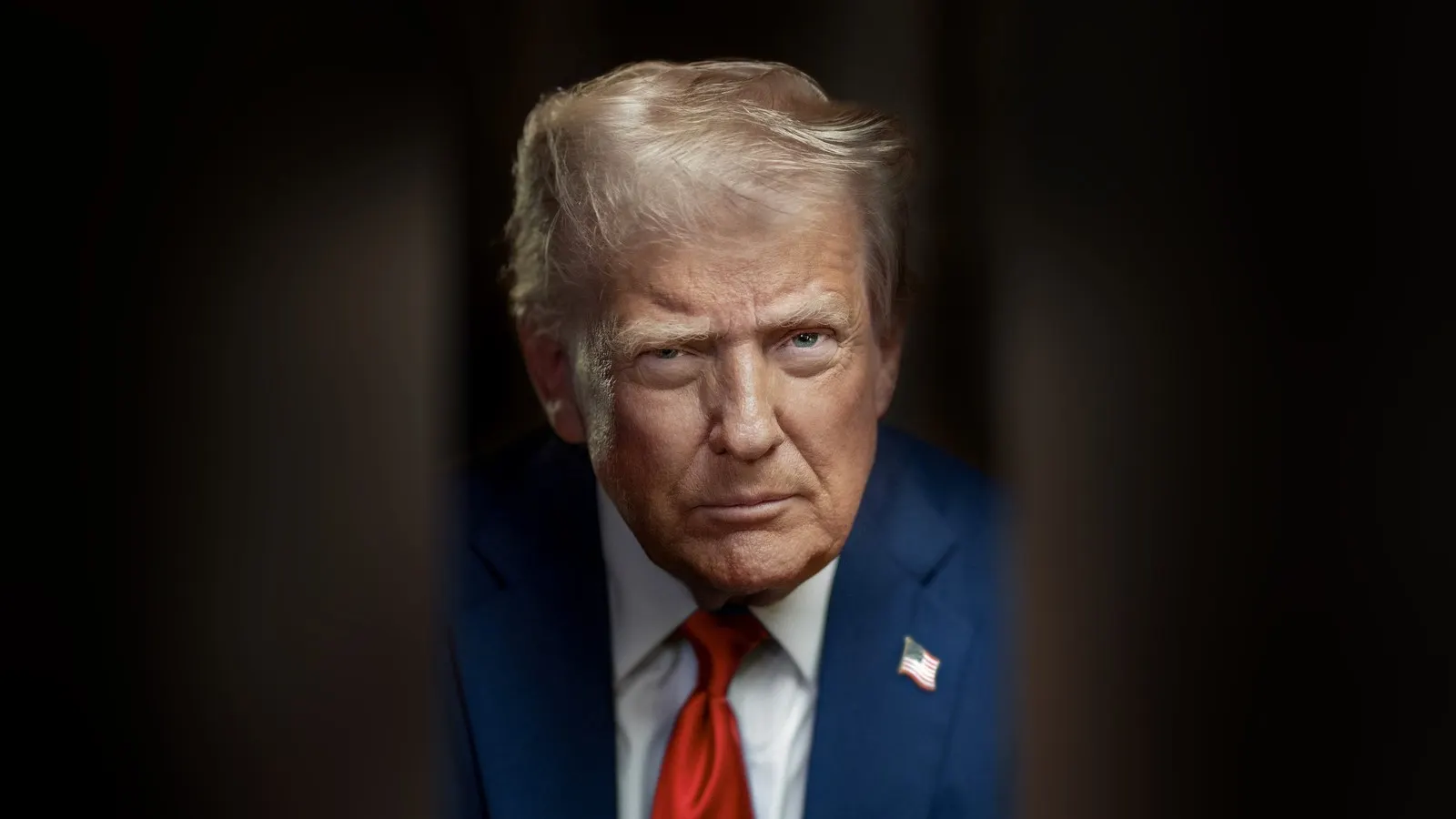
The August order instructed federal agencies not to grant citizenship to U.S.-born children whose parents work for foreign governments or international organizations without diplomatic immunity. It also targeted children whose foreign parents arranged commercial surrogacy, those whose parents are suspected gang members or terrorists, and those with a parent classified as an "alien enemy."
In his 67-page memorandum opinion, Cooper, appointed by former President Barack Obama, issued a preliminary injunction and granted class status to a group of children. The court defined the class as children unlawfully denied citizenship under the order, now or in the future.
"The merits in this case are clear-cut," Cooper wrote. The Supreme Court, he added, "has twice confirmed that all children born in this country are U.S. citizens, save only for the small handful who are not subject to U.S. law."
White House spokeswoman Lauren Bis told Fox News Digital, "This is just another ruling from an activist judge appointed by Obama attempting to thwart President Trump's commonsense agenda." She also said the order "is consistent with the holdings and analysis set forth by the Supreme Court."
Winnie Kao of the Asian Law Caucus, one of the groups that brought the case, welcomed the ruling in a statement issued by the American Civil Liberties Union. "The president keeps trying to rewrite the Constitution by executive fiat," Kao said. "Today's ruling reinforces, yet again, that he cannot."
Judge addresses exceptions
Cooper wrote that while the 14th Amendment "may theoretically permit new exceptions beyond those listed in Wong Kim Ark, Congress has not authorized any such exceptions." In that 1898 decision, the Supreme Court held that a U.S.-born man whose parents were Chinese immigrants was a citizen, whatever their immigration status.
The administration argued that foreign invaders could occupy U.S. territory without holding it, Cooper wrote. He called that an "outside-the-box understanding" of occupation. The alien-enemy exception, he wrote, "applies only to children born to hostile enemy forces in temporarily occupied U.S. territory."
Cooper found that U.S. jurisdiction also covers children whose foreign parents used commercial surrogacy. Foreign parents, he wrote, "choose surrogacy arrangements in the United States precisely to have the child be governed by U.S. law."
Before the order, the State Department recognized citizenship for U.S.-born children regardless of whether they were born through surrogacy, Cooper noted.
Earlier order and appeal
On his first day back in office in 2025, Trump signed his first order on birthright citizenship. In August, after the Supreme Court struck it down, he described the decision as "a very, very unfortunate decision" and said "we're making adjustments because it's very unfair," ABC News reported.
In Maryland, U.S. District Judge Deborah Boardman blocked part of the second order on Sept. 2. She was appointed by Biden.
Cooper's ruling extends protections beyond Boardman's class to children of certain foreign government and international organization employees, parents deemed "alien enemies" and foreign parents who used commercial surrogacy in the U.S., Fox News reported.
The number of children covered by the certified class was not immediately known, nor was it clear whether the Justice Department has filed an appeal.
The administration is expected to appeal and seek temporary enforcement during litigation, which could take months, Fox News reported. The Justice Department could request temporary relief from the U.S. Court of Appeals for the D.C. Circuit or seek Supreme Court intervention, according to the outlet.