



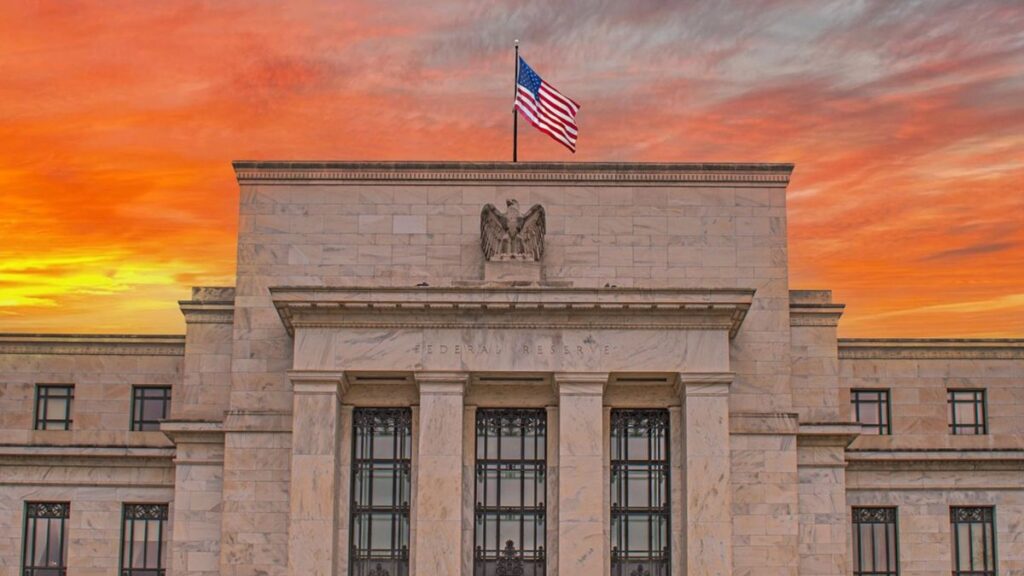
The Federal Reserve’s rate-setting committee has an interesting backdrop for its meeting this time around. Not only is the meeting coming at a time when active U.S. military action has jeopardized global energy security, but also during a time when the U.S. economy is facing an inflation crisis. Further, the government has been involved in some pressure tactics in its dealings with the Federal Reserve, as evidenced by the attempted subpoena of Federal Reserve Chair Jerome Powell. Questions have also been raised about the central bank’s independence from lawmakers across the political spectrum.
Donald Trump’s economic agenda involved slashing interest rates. However, the Federal Reserve, time and time again, has refused to meet Trump halfway. This has been a major blow to his economic agenda, which is now compounded by the Supreme Court ruling his tariffs illegal.
The Iran war has scrambled the Federal Reserve’s outlook on inflation and unemployment and will likely further delay interest rate cuts this year. https://t.co/qpfJn3aD4v
— KOB 4 (@KOB4) March 17, 2026
There were a lot of expectations about rate cuts in 2026, but the Iran War has caused all those expectations to go upside down. Ever since, oil prices have shot up, and there seems to be no end to the operation in Iran, due to which the Federal Reserve faces an uncertain economic forecast. The war itself does not bode well for the Federal Reserve’s ongoing battle against inflation.
One of Donald Trump’s major platforms was that he would make consumer goods more affordable. Still, the war erodes the credibility of that promise, as energy prices surge and the Federal Reserve scrambles to contain another wave of inflation.
It is expected that interest rates will remain at 3.5 to 3.75%.
Iran war muddles expectations of likely Fed interest rate cuts https://t.co/3kzuaKVF5N
— Financial Times (@FT) March 8, 2026
Now, the issue that is plaguing the Federal Reserve is that, usually, in times of war, higher interest rates are typically used to curb runaway inflation. However, labor markets have been steadily weakening, as more and more people find it difficult to find jobs. Banks often resort to slashing rates in these situations. However, this could feed into the inflation that has been caused by the military operation in Iran.
Iran moved to block the Strait of Hormuz, which is a major chokepoint for the energy supply of the world. Donald Trump, who has repeatedly claimed that Iran has no fighting power left, called on other nations to help reopen the Strait of Hormuz. No country had publicly committed to assist as of the time of writing.