



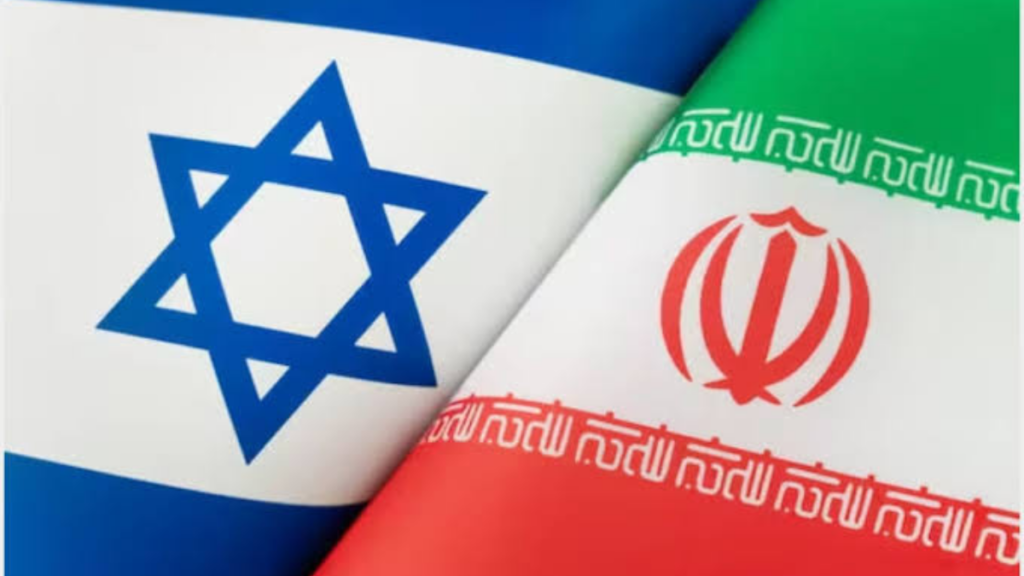
U.S. pulls non-essential staff from Israel while president weighs next move against Iran. The United States has authorized the departure of non-essential embassy personnel and their families from Israel as tensions with Iran intensify, a significant precautionary step as President Donald Trump prepares for potential action against Tehran.
U.S. Ambassador Mike Huckabee informed staff that those who wish to leave should do so promptly, warning that commercial flight availability could tighten if the security situation deteriorates as Trump continues talks with Iran. At the same time, the USS Gerald R. Ford — the world’s largest aircraft carrier — is expected to position off northern Israel’s coast on Friday as part of a broader U.S. military build-up in the region. The State Department’s authorized departure applies to non-emergency employees and dependents, signaling a serious assessment of evolving risks while maintaining a functioning diplomatic presence.
On February 27, 2026, the Department of State authorized the departure of non-emergency U.S. government personnel and family members of U.S. government personnel from Mission Israel due to safety risks.
In response to security incidents and without advance notice, the U.S.… pic.twitter.com/aWzX6Gk36x
— U.S. Embassy Jerusalem (@usembassyjlm) February 27, 2026
The embassy formally announced the move online, stating: “On February 27, 2026, the Department of State authorized the departure of non-emergency US government personnel and family members of US government personnel from Mission Israel due to safety risks.” The notice added, “Persons may wish to consider leaving Israel while commercial flights are available.”
According to reports, Ambassador Huckabee sent a direct message to staff Friday morning urging swift action. Those who plan to depart “should do so TODAY,” he wrote. “Focus on getting a seat to anyplace from which you can then continue travel to DC, but the first priority will be getting expeditiously out of country.”
The evacuation advisory comes against the backdrop of rising friction between Washington and Tehran. Trump, who ordered strikes on Iran last year, has repeatedly warned Iranian leaders that failure to reach an agreement with the United States would bring serious consequences. The president has maintained that preventing Iran from advancing its nuclear capabilities remains a core national security objective.
#BREAKING 🔥 🇺🇸 🇮🇱 🇮🇷#LiveUpdates
IMPORTANT 🚨 ❗ ❗ ❗
The USS Gerald Ford, the world’s largest aircraft carrier, has arrived off the coast of Israel.
The U.S. ambassador to Israel has urged embassy staff to leave the country “today.”
The State Department announced that… pic.twitter.com/7ucPn9MQ6c
— Frankie™️🦅 (@B7frankH) February 27, 2026
While the Trump administration not issued a declaration of active hostilities, the departure authorization underscores the administration’s effort to shield American personnel amid heightened uncertainty. Officials have characterized the move as precautionary, aimed at minimizing exposure while diplomatic and strategic channels remain active.
Trump has consistently framed Iran’s nuclear development and missile programs as unacceptable threats to U.S. and Israeli security. The administration has made clear that it will not allow Tehran to obtain a nuclear weapon, and military readiness in the region has reportedly been elevated in response to intelligence assessments.
Defense assets have been repositioned across parts of the Middle East as part of contingency planning. Officials stress that such deployments are designed to deter aggression and reinforce stability during periods of increased tension.
The embassy departure order follows stalled diplomatic efforts to constrain Iran’s nuclear expansion. Indirect talks have failed to yield a breakthrough, and U.S. officials have signaled that multiple options remain under consideration.
White House officials have reiterated that the priority of President Trump is protecting American lives abroad while maintaining strategic leverage. Essential embassy operations in Israel will continue, even as families and non-critical staff are given the opportunity to leave.
As tensions simmer, the Trump administration’s message remains clear: safeguard Americans, strengthen deterrence, and prepare for all contingencies.


