



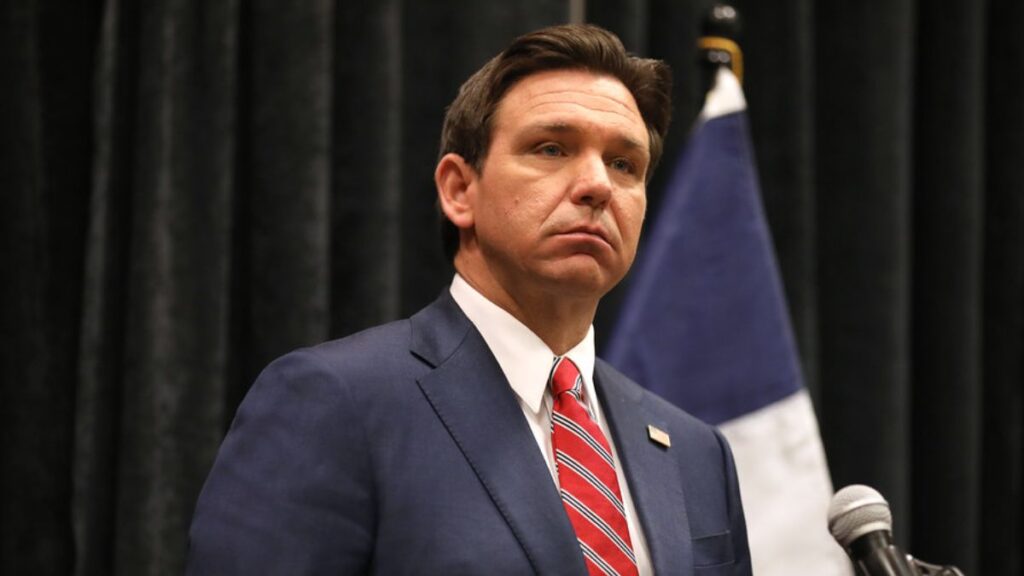
On February 18, Florida’s “AI Bill of Rights” cleared its final committee, and it is now headed to the Senate floor. The proposal comes after Sewell Setzer III, 14, died by suicide after having an extended conversation with a chatbot in February 2024. Florida lawmakers deemed the legislation necessary to prevent similar harms.
The bill aims to regulate how AI interacts with residents. In addition, the measure will strengthen parents’ ability to monitor their children’s use of artificial intelligence. Critics and legal experts, however, have their doubts about what this bill could actually do. They have noted that the First Amendment and other constitutional protections will still apply to AI companies and their minor users. Those protections might limit how far the bill can regulate, though.
Great to be at FAU today to host a roundtable on Artificial Intelligence with parents, advocates, and law enforcement. Recently, I proposed new legislation on AI and Data Centers to put necessary protections in place for Florida consumers.
Our AI Bill of Rights will keep… pic.twitter.com/9NMIiQsJg3
— Ron DeSantis (@GovRonDeSantis) December 15, 2025
The legislation is backed by Governor Ron DeSantis, who is not completely sold on the massive expansion of AI in the United States. His approach directly contradicts Donald Trump‘s White House executive order that emphasized AI expansion “without cumbersome regulation.”
“We don’t want to see them building a massive data center and then sending you the bill,” the Florida Governor said this month. “Data centers take up the power equivalent of a half-million-person city. We feel very, very strongly about protecting the consumer,” he added.
He has appealed to a growing number of citizens who have raised concerns that AI’s rapid expansion in the United States, which is being partly paid for by taxpayer money, could create major issues. The concerns are related to the displacement of jobs, the effect on the environment, and surging energy costs.
The GOP Governor’s appeal, however, directly contrasts the pro-AI outlook of Vice President JD Vance and Secretary of State Marco Rubio, two of the potential candidates who could receive Trump’s endorsements for 2028.
According to eight sources, DeSantis’s approach toward the Florida AI Bill of Rights might be rooted in his focus on the 2028 presidential race. According to one of his advisors, “It’s kind of a no-brainer, right? You’ve got JD Vance and Marco Rubio, the top two contenders for 2028 big time in the pro-AI lane.”
“The infrastructure is lining up behind JD and, to some extent, Marco. So, DeSantis’ challenge is to stay relevant,” the source added, NBC reported.
President Donald J. Trump signs an Executive Order to protect American AI innovation from an inconsistent and costly compliance regime resulting from varying state laws.
“We have to be unified. China is unified…” pic.twitter.com/II9gz5yDx7
— Rapid Response 47 (@RapidResponse47) December 11, 2025
However, Taryn Fenske, a political aide for the Republican governor, notes that his AI skepticism actually comes from a place of genuine concern. “The governor is an AI skeptic because chatbots are convincing children to [harm themselves],” DeSantis’ aide said.
The Trump administration and Ron DeSantis have been going back and forth on the AI expansion in the U.S. Several of the administration allies, including David Sacks, have lobbied against Florida’s push for the AI regulation bill.
Earlier this month, DeSantis said at an AI roundtable, “There are some people … who almost relish in the fact that they think this just displaces human beings and then, ultimately, you’re going to have AI run society, and that you’re not going to be able to control it. Count me out on that.”