



At least 40 people died in U.S. military strikes on Venezuela early Saturday. The death toll reportedly includes civilians, according to The New York Times. This figure came from a senior Venezuelan official who spoke anonymously and was described as preliminary.
The casualties resulted from a major pre-dawn operation aimed at capturing Venezuelan President Nicolás Maduro. The Times report mentioned that the dead included both military personnel and civilians, but it did not provide a detailed breakdown of the casualties.
The assault marked a significant increase in U.S. military involvement in the Western Hemisphere. U.S. officials called it a major strike, with more than 150 U.S. aircraft reportedly used to disable Venezuela’s air defenses before helicopters and troops moved in to capture Maduro and his wife, Cilia Flores.
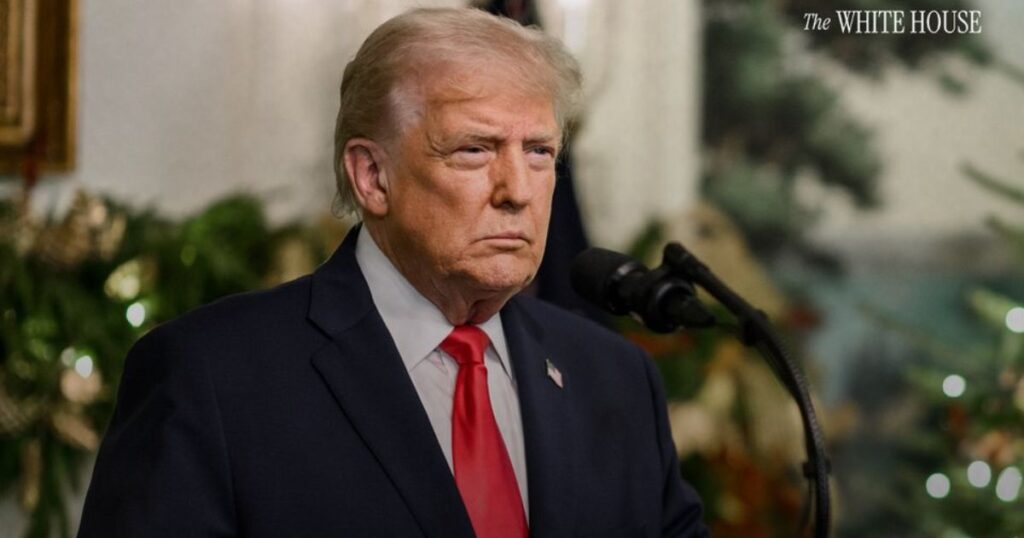
President Donald Trump confirmed the capture of Maduro and Flores on Saturday. He stated they were taken to New York to face criminal charges, including drug trafficking allegations brought in federal court. The indictment accuses Maduro and others of operating narcoterrorism and cocaine smuggling schemes, which the administration cited as the main reason for the operation.
&
Imágenes previas de Nicolás Maduro.
Fue antes de abordar el avión a Estados Unidos pic.twitter.com/Mdo8Wtag07
— Ulula (@Ulul4r) January 4, 2026
;
Despite Trump’s claims that no U.S. troops were killed, the Times account, backed by reports from other outlets, noted that at least six U.S. service members were injured during the mission. U.S. officials described the operation as precise, but the death toll in Venezuela will likely remain a key issue as more details become available.
Thick smoke and repeated explosions could be seen and heard near La Carlota Airport and other locations in the capital, according to accounts mentioned in the reports. One airstrike hit a three-story civilian apartment building in Catia La Mar, west of Caracas, blowing out its exterior wall and killing at least one elderly woman, the Times reported.
Venezuelan officials strongly condemned the attack and the capture of Maduro. Vice President Delcy Rodríguez, named interim president by Venezuela’s Supreme Court following the raid, demanded the immediate release of Maduro and his wife. She called the U.S. action illegal and a violation of Venezuelan sovereignty.
International reactions have varied, with protests reported in several countries. Demonstrators gathered outside U.S. embassies and Venezuelan diplomatic missions in cities such as Brasilia, Buenos Aires, and New York. Supporters of Venezuela labeled the strikes and the capture of Maduro an act of aggression, expressing solidarity against what they called imperial intervention.
Meanwhile, some U.S. lawmakers and foreign officials supported the capture of a leader whom the U.S. government has long accused of corruption, human rights violations, and involvement in drug trafficking. A few Democrats publicly acknowledged the importance of removing Maduro from power, even as questions persist about the broader implications of the strike and detention.
It is unclear if the death toll will increase as local authorities continue to identify victims of the attack. NYT has reported that an apartment complex was hit and an elderly woman was killed.
Concerns remain about the legality of the strikes on Venezuela. Many political observers doubted the Trump admin’s claims that the escalation against the nation was about drug trafficking but regime change and access to oil.
The US president confirmed that he plans to extract oil with American companies and place a leader who complies with the United States agenda.