



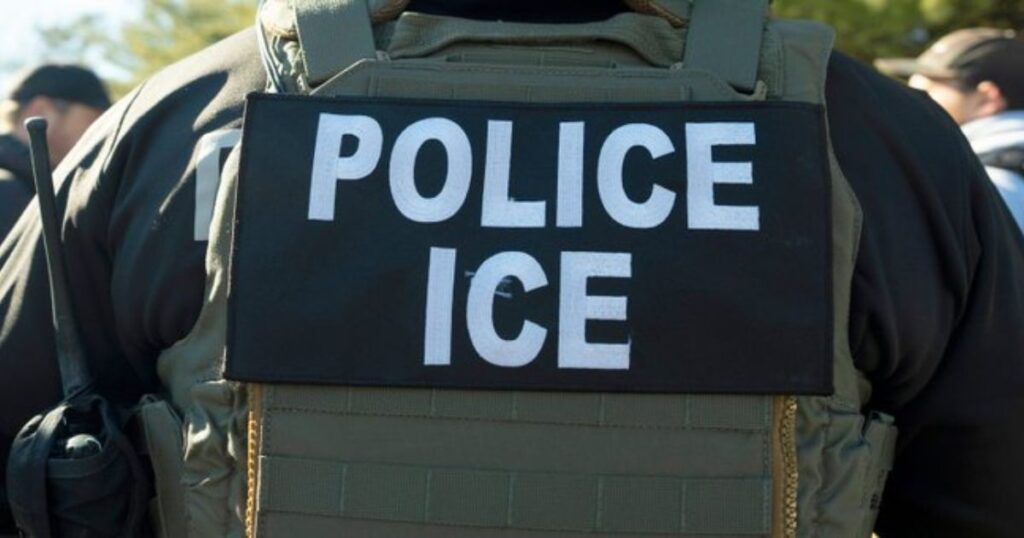
There has been a significant shift in ICE’s strategies for making arrests during Donald Trump’s mass deportation campaign.
They have expanded to include people traveling, appearing in court, visiting visa offices, or even going to hospitals. ICE is tracking people in public spaces and local neighborhoods using new technology. Additionally, they have access to citizens’ data, raising concerns about privacy and control.
This has led to more arrests during the Trump administration than under Joe Biden. The earlier focus of these arrests was on targeting criminal offenders, but ICE is now also apprehending individuals beyond criminals, including immigrants and activists critical of ICE.
I’m afraid this is what it’s come to in Trump’s America. Is this what people voted for?
Trump has created an environment where picking up just the criminal undocumented immigrants does not allow ICE to meet their ‘quotas’, so they go for soft targets like people turning up for… pic.twitter.com/btQzFbCV5v
— 𝔗𝔯𝔲𝔱𝔥 𝔐𝔞𝔱𝔱𝔢𝔯𝔰 (@politicsusa46) June 21, 2025
They are spending millions on new technology to help them locate individuals targeted by ICE, track their social media, and determine the locations of their devices.
People have been afraid to show up at hospitals and scheduled immigration check-ins, fearing arrests. So far, the administration’s goal is to deport one million people in the first year of Trump’s second term.
As a result, Stephen Miller, the Deputy Chief of Staff, is pushing for 3,000 arrests per day. Claire Trickler-McNulty, a former senior ICE official from the Biden era, said, “The shift in tactics is related to the ongoing process from the White House to up numbers, and the easiest way to do that is to do broader-brush approaches.”
When the White House demanded that ICE ramp up arrests, one way that did that was by starting an unprecedented “re-arrest” campaign targeting tens of thousands of people who were complying with the obligations put on them by showing up for their court hearings. https://t.co/tyMeBpzoSx
— Aaron Reichlin-Melnick (@ReichlinMelnick) December 26, 2025
ICE is using data such as fingerprint-sharing programs, names of passengers on flights, tax records, and patient data to make arrests in large numbers. It’s not just Border Patrol but an extensive information network that allows them to arrest people even without criminal records.
Minor criminal convictions, such as traffic offenses, are enough for an arrest. According to government data, only half of the 79,000 arrested from October to November had criminal charges or convictions. ICE is targeting larger cities such as Los Angeles, Chicago, and Washington to meet their daily goals.


