



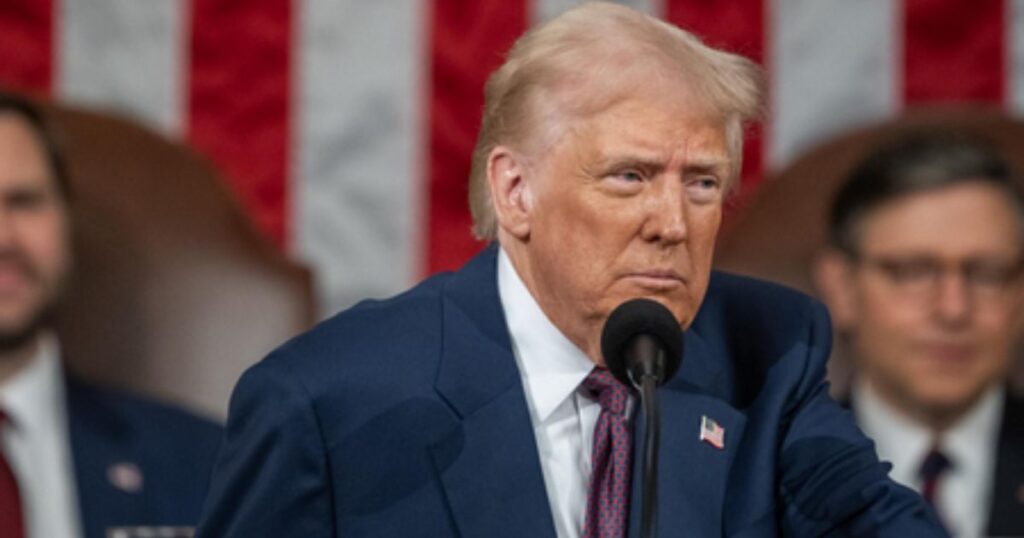
As Donald Trump prepares for a sensitive meeting with Ukrainian President Volodymyr Zelensky this weekend, a rare bipartisan message from the U.S. Senate is breaking through the noise, and it is directed at him.
In a statement released Friday, a group of Republican and Democratic senators warned Trump not to misinterpret Russia’s intentions, especially after President Vladimir Putin launched one of the most intense drone and missile attacks on Ukraine over Christmas. The timing was not coincidental. Zelensky, 47, is set to visit Mar-a-Lago on Sunday to discuss a possible U.S.-brokered peace deal with Trump, 79, who has been advocating for an end to the war since taking office again.
“Today’s decision by Putin to launch attacks rather than hold fire is a sobering reminder for us all: Putin is a ruthless murderer who has no interest in peace and cannot be trusted,” the Senate Foreign Relations Committee release stated.
The statement also detailed how Zelensky had agreed to a Christmas truce while Putin did not.
“It bears repeating that President Zelensky agreed to a Christmas truce, but Putin declined, yet he directs soldiers to continue to commit brutal crimes of aggression on one of Christianity’s holiest days,” the senators wrote.
Republican Senators Thom Tillis of North Carolina, Jerry Moran of Kansas, and John Barrasso of Wyoming joined Democrats Jeanne Shaheen, Jacky Rosen, Chris Coons, Jeff Merkley, and Chris Van Hollen, as well as independent Senator Angus King. In today’s divided Washington, that lineup alone sent a strong message.
Equally notable were the names missing from the statement, including committee chairman Jim Risch and Texas Senator Ted Cruz, who did not sign on. This split highlighted an uncomfortable reality for Trump as he considers his Ukraine strategy: parts of his own party are cautious about any deal that appears to give Putin a win.
Trump has often claimed he can quickly end the war, but early plans for his proposed peace framework reportedly echoed several Kremlin demands, including limits on Ukraine’s military and possible territorial concessions. This approach surprised Kyiv and unsettled European allies, who worry it would reward Russia’s invasion and invite future aggression.
According to Ukrainian officials and international reports, Russia launched hundreds of drones and missiles across multiple cities, damaging infrastructure and killing civilians. The strikes occurred as discussions about ceasefires and frameworks were ramping up, undermining claims that Moscow is serious about de-escalation.
Zelensky has been cautious in his public comments ahead of the meeting. He said Friday that the 20-point peace plan under discussion is “about 90% ready,” but added an important caveat: “Russia constantly looks for reasons not to agree.” He also confirmed that security guarantees for Ukraine and the “sensitive issue” of territory will be key topics in his discussions with Trump.
Trump’s approval ratings have dropped in recent months, and Republicans have faced losses in several elections, raising concerns about a challenging 2026 midterm cycle. Trump once bragged that he could end the Russia-Ukraine war on his first day in office but he has been left frustrated as he has so far failed to bring peace or ceasfire to the region.


