



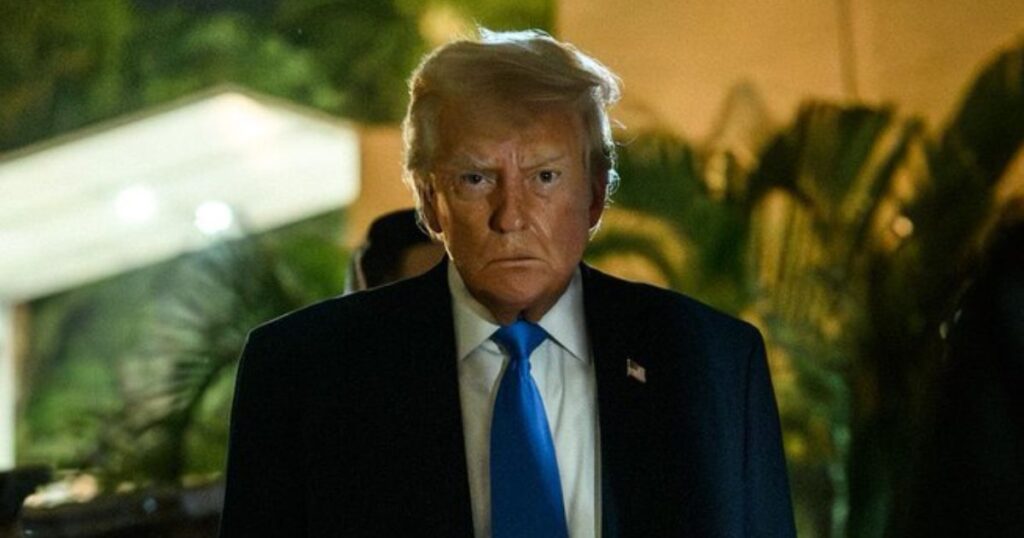
Donald Trump’s surge in presidential pardons during his second term has sparked a high-stakes lobbying boom in Washington. This has turned clemency into what a significant report calls a full-blown “pardon-shopping” industry, involving retainers in the seven figures and success fees reaching as high as $6 million.
According to the Wall Street Journal, Trump’s approach to clemency this time is very different from his first term. During his first four years, he granted just one early pardon and issued about 140 acts of clemency in his last days. In contrast, less than a year into his second term, Trump pardoned over 1,500 individuals on his first day and another 87 people and companies in the following months.
This new pace has significantly changed the economics around presidential pardons. Lobbyists in the field told the Journal that $1 million is now a typical fee just to seek clemency. Some clients have even offered success bonuses up to $6 million for securing a pardon. The result is a hidden market where access, timing, and proximity to Trump can be as important as legal arguments or claims of rehabilitation.
The Journal reported that lobbying firms and political fixers aggressively market their services to wealthy convicted clients, promising access to Trump and the chance to act quickly in a climate where pardons are being granted much more freely than in past administrations. Some advisers close to Trump have suggested that his experience as a criminal defendant has made him more sympathetic to clemency requests and more inclined to use the pardon power broadly.
Several cases mentioned in the report are already under scrutiny. One involves a lobbying firm run by former Trump bodyguard Keith Schiller and former Trump Organization executive George Sorial. They received $1 million in the first quarter of the year to lobby for a real estate developer convicted of bribing former Senator Robert Menendez from New Jersey with hundreds of thousands of dollars in cash and gold bars.
Another pardon has reportedly caused concern among Trump’s advisers. The decision to grant clemency to Changpeng Zhao, the founder of cryptocurrency exchange Binance, has raised alarms. Advisers worry it could trigger future investigations. The Journal reported that lobbyists linked to Zhao’s case were paid about $800,000 before the pardon, a detail advisers fear may be hard to justify if Democrats take control of the House or Senate.
Trump’s advisers are especially worried that the Zhao case combines several politically sensitive elements, including a wealthy defendant, a powerful and controversial industry, and visible lobbying fees tied closely to a presidential pardon. Some fear it could become a focal point for oversight hearings, subpoenas, and in-depth examinations of how clemency decisions are made.
Even those still seeking relief are getting pulled into the growing pardon economy. Attorneys for imprisonedSean “Diddy” Combs have reportedly reached out to people close to Trump to request presidential intervention. This shows how widely the belief has spread that clemency is attainable with the right connections and resources.
This emerging system risks making the pardon power look transactional, favoring those with money and connections over others. However, some may argue the Constitution gives the president authority over clemency, and Trump is simply using that power more aggressively than his predecessors. Biden also notably went on a pardon spree as his presidency came to an end.