




With President Donald Trump’s Justice Department, there have been a series of courtroom losses, case failures, and judge-issued reprimands that have placed the department’s actions under greater scrutiny, based on a Reuters review of court records and interviews with legal experts.
One clear example emerged from Washington, D.C. Prosecutors had to drop firearms charges against a defendant after surveillance video undermined the legal basis for the search that discovered the guns.
In a later ruling, a federal magistrate judge stated that the arrest and charging decision seemed to have occurred before prosecutors fully established the facts needed for probable cause. Reuters noted that this situation fit into a bigger trend in the office, showing a higher dismissal rate for criminal complaints over a recent eight-week period compared to the historical standard.
The department’s difficulties have extended beyond typical street-crime cases. High-profile prosecutions aimed at notable critics of Trump have also struggled in court.
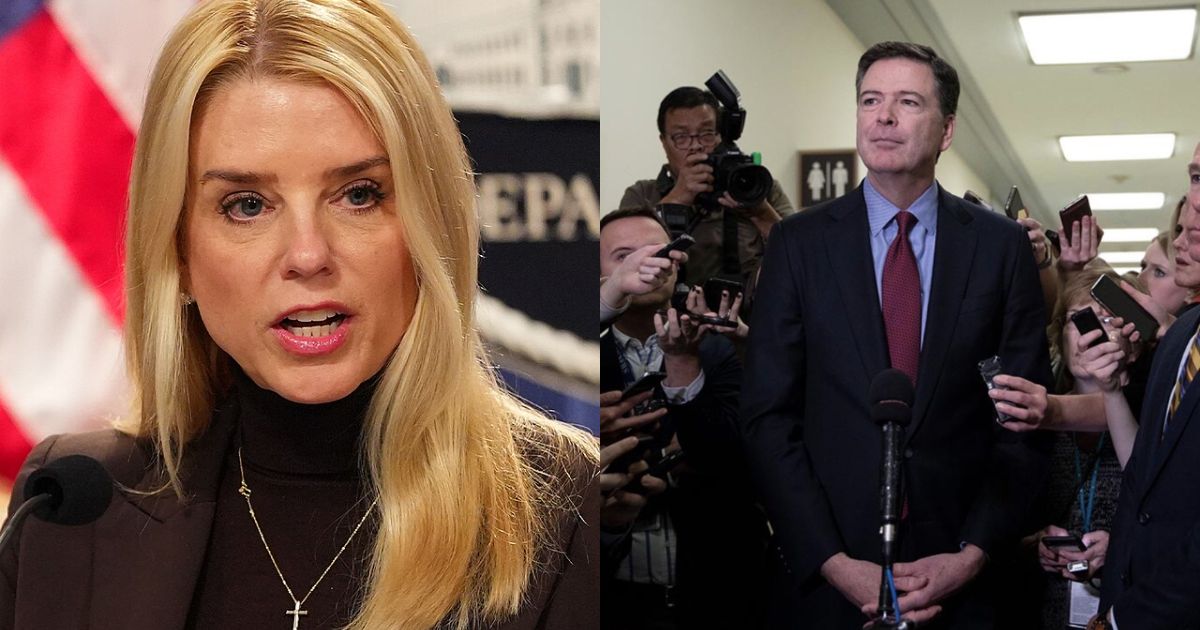
In November, a federal judge dismissed criminal cases against former FBI Director James Comey and New York Attorney General Letitia James. These dismissals were due to the illegal appointment of Lindsay Halligan as the acting U.S. attorney, who was involved in securing the indictments when the previous lawyer refused to do so. Comey and James both pleaded not guilty before the cases were dropped, and to make matters worse, when the DOJ attempted to reindict both Comey and James, it didn’t get past the grand jury.
Reuters reported that the five-year statute of limitations connected to the underlying allegations expired on September 30. This expiration complicates any attempt to revive the case regarding the same conduct. In December, a federal judge made a separate ruling in a case involving evidence used during the Comey prosecution. The judge concluded that the government had wrongfully kept and searched files without a warrant, though prosecutors still had a way to seek access through a new warrant process.
Another case that made headlines was the prosecution of Sean Dunn, a former DOJ staffer who became known online as the “sandwich thrower.” A video showed him throwing a sandwich at a U.S. Customs and Border Protection agent during a protest related to Trump’s law enforcement surge in Washington.
Prosecutors initially sought felony charges, but a grand jury refused to indict. The case was moved forward as a misdemeanor assault charge, and despite the lesser charge a jury still found Dunn not guilty.
In discussing the reasons for the department’s legal setbacks, the high rate of turnover within the DOJ from January through November, public records showed that over 2,900 attorneys left the department, nearly three times the number of departures recorded in each of the previous four years. These departures have led to a loss of institutional knowledge, which can lead to avoidable mistakes in charging decisions, filings, and courtroom practices.
Per the report, public comments by senior officials have become a recurring problem in active cases, especially when statements on social media or television conflict with claims made in sworn filings. For example, the report says that Deputy AG Todd Blanche made comments about the prosecution of Salvadoran immigrant Kilmar Abrego Garcia that a judge later said could support defense arguments claiming the indictment was vindictive.
In another case, FBI Director Kash Patel publicly commented on the arrest of Wisconsin Judge Hannah Dugan while the case was still sealed, and later retracted another high-profile post after admitting it was incorrect.
The Justice Department claims it is achieving successes in other areas, pointing to rulings from the Supreme Court’s emergency docket and new indictments in major cases. However, the series of dismissals of high-profile acquittals and public criticisms from judges has created a new reality for prosecutors in which they are losing credibility in the courtroom and the eyes of the public.