



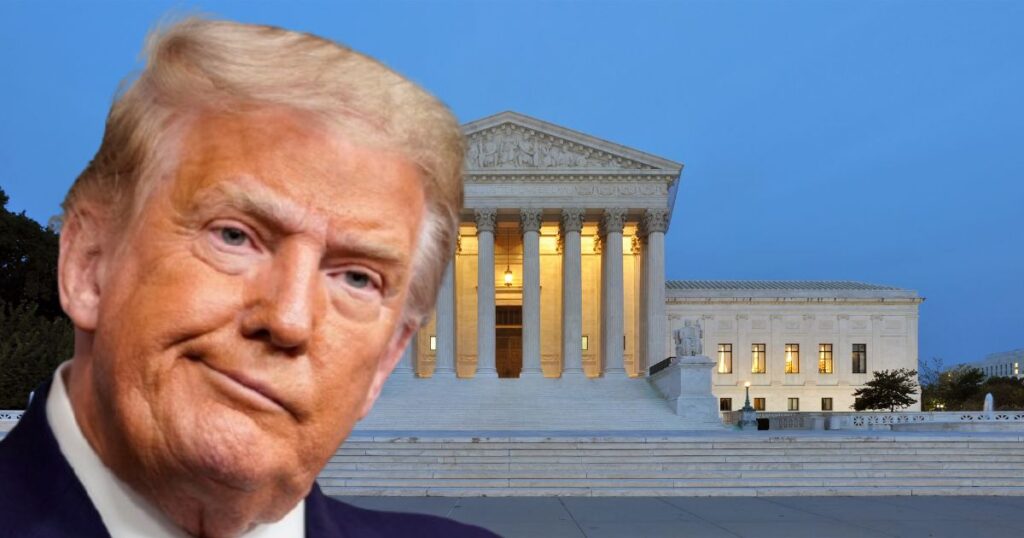
The Supreme Court is gearing up to make a big decision on one of the most heated immigration issues we’ve seen in decades. The big question on everyone’s lips is whether the justices will support President Trump’s move to end birthright citizenship for kids born in the U.S. to undocumented or temporary visitors, per The Philadelphia Inquirer. This could change what it means to be American, especially with election season just around the corner.
Trump’s birthright citizenship order, signed on day one of his second term, is a key component of his tough-on-immigration campaign. It states that babies born in the United States to parents who aren’t legal residents or citizens should not automatically receive U.S. citizenship. This is a serious break with more than 125 years of tradition.
Under the 14th Amendment, anyone born on American soil (with a few rare exceptions, such as children of diplomats) has always been considered a citizen. Now, that foundational principle is under review by the highest court in the land with the justices deciding if they will listen to the Trump administration’s appeal that it be upheld.
Birthright citizenship is obviously the law of the land but I spend so much time defending it because the consequences are excellent.
Read about the law, history, and effects below. pic.twitter.com/6Meb5y0aCZ
— The Alex Nowrasteh (@AlexNowrasteh) June 30, 2025
Supporters of Donald Trump argue that the birthright citizenship change is necessary for border security and that they are long overdue. Solicitor General D. John Sauer, who is leading the government’s case for Supreme Court review, said “The lower court’s decisions invalidated a policy of prime importance to the president and his administration in a manner that undermines our border security.”
They believe that kids of non-citizens are not “subject to the jurisdiction” of the United States and therefore shouldn’t receive citizenship.
So far, lower courts nationwide have hit the brakes on the birthright citizenship order. Judges from both appellate and district levels have said that denying citizenship this way goes against the clear intent and wording of the 14th Amendment. They maintain that the law was put in place after the Civil War to ensure citizenship for everyone born in the U.S., regardless of their parentage.
Birthright citizenship is a constitutional right. https://t.co/EmMCdHjFSE
— John Ganz (@lionel_trolling) November 9, 2024
The American Civil Liberties Union, which is leading one of the main legal challenges, has called the administration’s arguments “flimsy.”According to ABC News, they have vowed to fight Trump every step of the way if this case reaches the Supreme Court.
This isn’t Trump’s only immigration crackdown either. The Supreme Court has already weighed in on other emergency orders related to immigration. They stopped rapid deportations of Venezuelan migrants under the Alien Enemies Act but still allowed some aggressive enforcement tactics in big cities to continue despite lower courts ruling them as racial profiling.
As lower courts keep blocking Trump’s birthright citizenship order, stakes have become that much higher. Immigration advocates warn that ending birthright citizenship could leave “hundreds of thousands” of U.S.-born kids effectively stateless. Lawyers fighting this order argue it could lead states to create their own rules about who gets to be considered American which could result in chaos, lawsuits, and uncertainty across the country.
The good news is that we won’t have to wait too long for answers. Justices could announce as early as Monday if they will take up the appeal, setting up a spring hearing and a decision by summer. Whatever happens, it’s likely to shake up both American law and the political system, sparking new debates over identity, rights, and immigration’s future in our country.
As we wait for their decision, one thing is certain: The definition of U.S. citizenship hangs in the balance, and everyone is watching closely.