



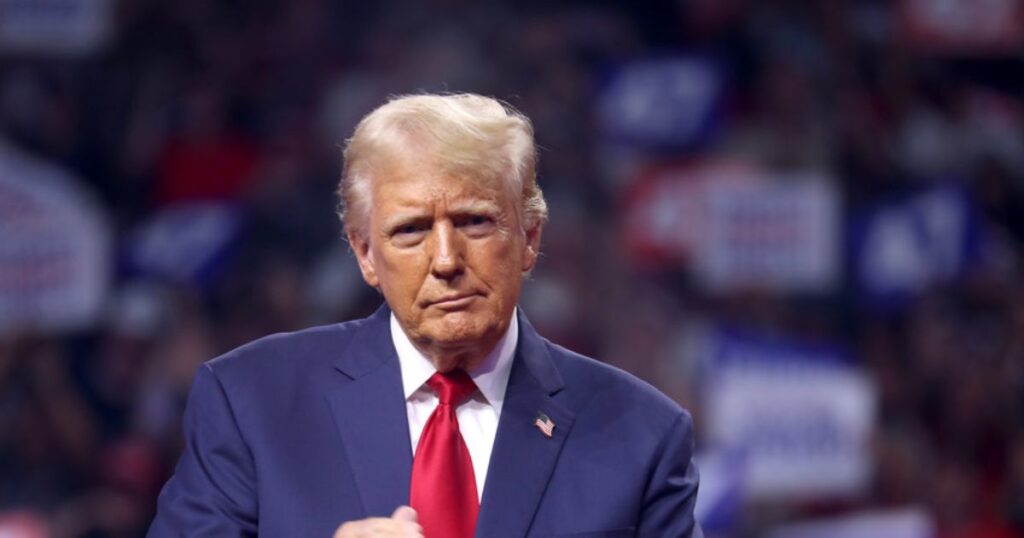
Donald Trump’s approval rating is dropping amid a prolonged government shutdown. Polling expert Nate Silver believes he understands why. He argues the White House crossed a critical line when it seemed willing to threaten food assistance for millions. This choice coincided with the most significant decline in Trump’s numbers this term.
“It seems very likely that threatening SNAP benefits was the primary cause of the big drop in Trump’s approval ratings beginning three weeks ago,” Silver wrote, highlighting the timing between the benefits dispute and the polling downturn.
Public trackers show a similar trend, with Newsweek’s approval monitor showing Trump around 43 percent, a decrease from 44 percent last month. RealClearPolling recorded a net drop of 8.9 points in approval. This decline aligns with the escalating battle over the Supplemental Nutrition Assistance Program, or SNAP, which became a daily source of concern for families depending on federal food assistance.
It seems very likely that threatening SNAP benefits was the primary cause of the big downshift in Trump’s approval ratings beginning ~3 weeks ago. pic.twitter.com/Toeb6ohId0
— Nate Silver (@NateSilver538) November 10, 2025
The backdrop to this is a shutdown that began on October 1 and is only now moving towards resolution after a 60-40 vote in the Senate suggested a way out. Over the past month, the administration’s stance on SNAP grew more rigid. Initially, they indicated that benefits could be delayed until the government reopened, then proposed partial funding that critics said would fall billions short. Trump blamed “radical left Democrats” for the crisis, but this explanation did little to reassure those worried about losing vital support.
A federal judge ordered the administration to release full November benefits after advocacy groups warned that delays would leave millions of Americans struggling to afford groceries. Nonprofits and local agencies rushed to court with emergency motions, arguing that families with children and the elderly faced “immediate, irreparable harm” if payments were withheld. The issue became a symbol of the shutdown’s real-world consequences, turning a political stalemate into a crisis for everyday families.
The battle over food assistance also divided Republicans. For example, Senator Lisa Murkowski labeled the administration’s directive to states to reverse granted SNAP benefits as “shockingly wrong,” breaking from her party’s leadership. This dissent emphasized what Silver called the “huge mistake” at the heart of the president’s approval drop. Even within the GOP, many lawmakers privately recognized that targeting food benefits during a shutdown was politically damaging and morally wrong.
Silver believes this situation reflects deeper errors in judgment regarding strategy and public perception. He suggested that Trump’s declining numbers, combined with Democratic wins in Virginia, New Jersey, and New York’s mayoral race, should have given Democrats an advantage in budget discussions. “You’d think that downturn, plus the elections last Tuesday, would give Democrats considerably more leverage on the shutdown,” he wrote, pointing out that Democrats ultimately chose not to take action.
For Trump, the fallout may persist as Shutdowns tend to stick in voters’ memories because they impact daily life, from salaries to grocery costs. The SNAP issue struck particularly hard, reinforcing the belief that the administration is disconnected from working families. If the White House cannot shift this narrative soon, Silver warns, this “huge mistake” could mean more than just a temporary polling dip; it could shape the political landscape as the midterms approach.