



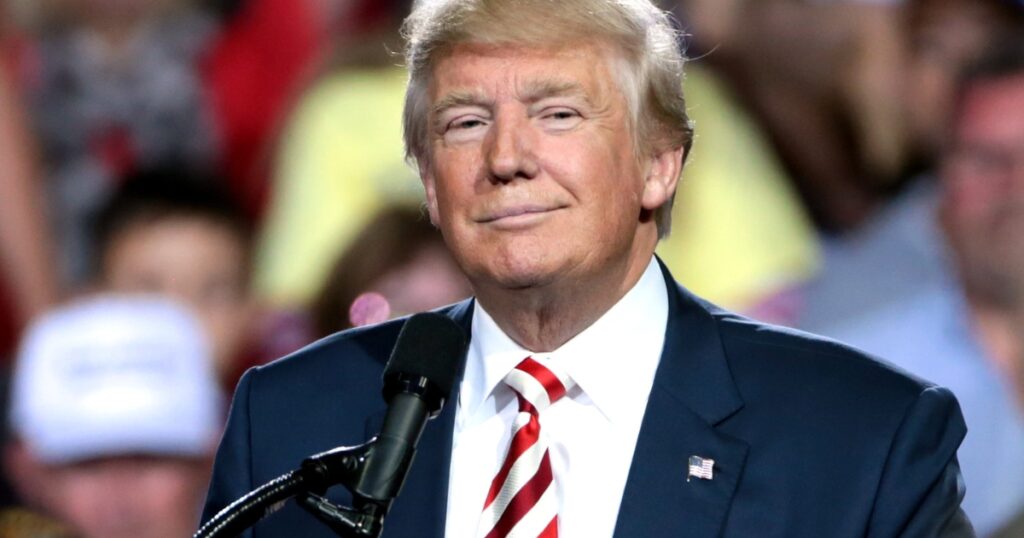
President Donald Trump is brushing off the idea that Americans are being squeezed with rising grocery prices. In the East Room on Thursday, he dismissed concerns about the cost of living as nothing more than a political “con” pushed by Democrats, and he pointed to a single number to make his case. Thanksgiving, he insisted, is cheaper now. And he did not mince words. “So I don’t want to hear about the affordability, because right now we’re much less,” he said.
The remark came as Trump promoted a new Walmart Thanksgiving promotion, which he has turned into a centerpiece of his argument that prices are going down under his watch. The retail giant is advertising a holiday basket that feeds 10 people for less than $4 per person. It is the kind of seasonal deal that always grabs headlines, and Trump has seized on it as proof that his critics are overstating the financial strain families are feeling.
The problem is that the math isn’t as neat as the talking point. Walmart’s Thanksgiving package changes year to year. Last year’s basket included more items and served fewer people at a different per-person cost. That is why fact-checkers quickly flagged Trump’s claim that Thanksgiving is “25 percent cheaper” this time around, and why social media users pointed out that the comparison simply doesn’t line up. A cheaper cart is still a cheaper cart, but it is not a comprehensive measure of food inflation.
Even so, Trump is treating the Walmart promo as a kind of economic north star. He is using it to argue that inflation fears are exaggerated and that Democrats are intentionally misleading voters.
Trump: “I don’t want to hear about the affordability, because right now we’re much less.”
Lmao good luck in 2026.
— Spencer Hakimian (@SpencerHakimian) November 7, 2025
But outside the walls of the White House, the economic picture is far more complicated. Independent surveys have shown that while Thanksgiving was modestly cheaper last year, overall food prices remain well above where they stood before the pandemic. A dip from last year’s peak does not erase several years of rising costs. Households don’t feel inflation in a curated basket; they feel it in the accumulated strain of week-to-week shopping. People aren’t reading corporate press releases; they are staring down receipts.
That tension is becoming increasingly political as voter frustration over inflation played a major role in delivering Trump a second term and helping Republicans secure control of both chambers of Congress. But frustration can cut both ways. If families continue to feel squeezed, even after hearing reassurances from the White House, that disconnect could reverberate into the 2026 midterms.
Tuesday’s elections already offered a hint of trouble. Democrats notched a series of notable wins, despite the turmoil surrounding the federal shutdown. It was a reminder that economic messaging isn’t landing the way Republicans hoped. Trump may want to frame affordability concerns as a partisan trick, but voters tend to trust their wallets over anyone’s rhetoric.
For now, the president is betting heavily on the symbolism of a cheaper Thanksgiving dinner. Whether that becomes a memorable political argument or just another holiday promotion depends entirely on whether Americans believe it when they walk through the grocery aisles themselves.


