



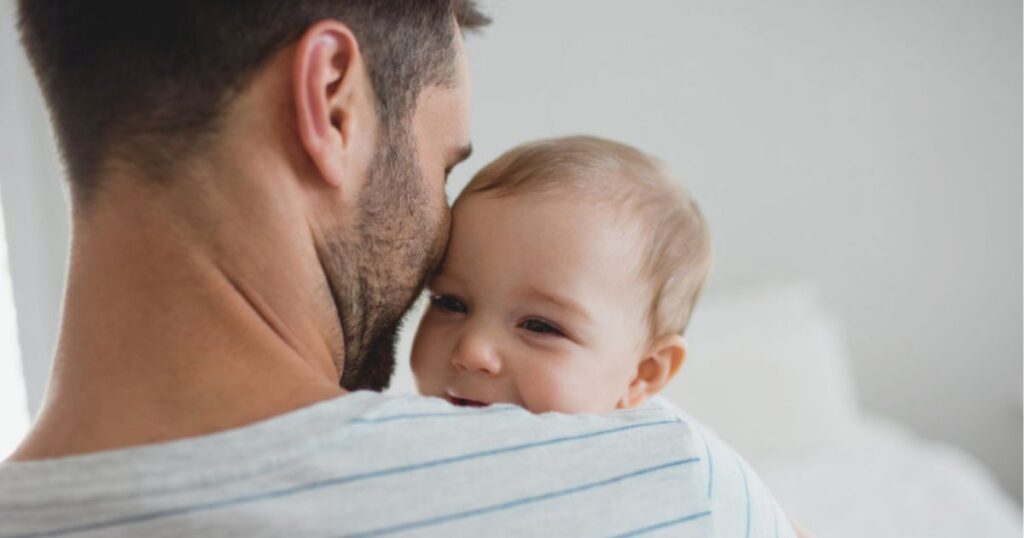
Embracing parenthood is not an easy task for any couple or individuals who aspire to enjoy the experience. Society might paint the experience as one of a kind, but for many new parents, it comes with emotional, financial, and even geographical challenges.
The process comes with equal amounts of pain and pleasure. While the pleasure has always been glorified, the pain and psychological changes a couple can go through are seldom spoken about.
Recently, a man who embraced fatherhood shared his struggles on Reddit, explaining that he welcomed his newborn and has been on cloud nine. As a member of the military, he’s been able to take an extended parental leave and spend plenty of time at home, just as much as his wife.
For a while, he believed his son favored him. But recently, that seems to have changed. “All of a sudden, these past couple of days, it’s taken a turn, and it seems like he wants nothing to do with me,” the dad wrote. “For some reason, I can barely even make him laugh now, and he only wants his mother.”
View this post on Instagram
As per PEOPLE, the man claimed that he was delighted to be a parent and enjoyed his time with his son. Yet, he felt upset as he witnessed the baby boy favoring his mother over him. Seeking reassurance, he asked others online for advice. Many commenters reminded him that this behavior is entirely normal for babies and young children.
Usually, a newborn’s behavior centers on bonding, communicating needs, and exploring the world with the person they recognize as their caregiver. While that primary person will be the mother, the entire theory behind the “caregiver psychology” for babies involves the primary people or parents establishing a secure attachment by spending time. Skin-to-skin contact and introducing familiarity through voices are key ways to build that bond.
For the Reddit user who seemed to be going through an essential but rarely spoken psychological state, it’s essential to know that men establish emotional bonds with their offspring through hands-on care and presence, providing both protection and affection. But, since he’s serving in the military and remains away, it’s going to take time for him.
View this post on Instagram
People on the popular Q&A platform offered him advice and said, “Kids switch back and forth between favorite parents for quite a few years,” one user wrote. “Don’t let it get you down — just keep spending time with him. Before long, he’ll be back to preferring you.”
Another commenter encouraged him to engage in child-led play to strengthen their bond: “Try sitting with him and playing with some blocks. Let him knock them over; small moments like that help build oxytocin, the bonding hormone,” he advised.
Some other users could relate to the new parent and wrote, “When my daughter was around that age, she didn’t want to be held by me either,” one parent shared. “It only lasted a few days. This is all part of the attachment process.”
It is important to note that for men working in the military, police, cruise lining and many other such jobs, fatherhood will be a different kind of experience. With the inevitable need to be away, they must develop a bond with their kids through consistent efforts of being in touch through frequent phone calls and being empathetic towards them.
Many military fathers build strong family bonds and inculcate a sense of class and discipline into their children, especially boys. It’s a shame that in today’s world, so much is spoken and written about a mother’s journey while embracing parenthood (not saying they don’t deserve it) and the mental health struggles they experience, but not enough is spoken about the men who also go through immense change.
We’re not talking about careless, absent, namesake fathers, but about the ones who try their best to be there for their children in small but meaningful ways. The unglorified heroes of families who work hard in silence and participate, provide and protect their children.