



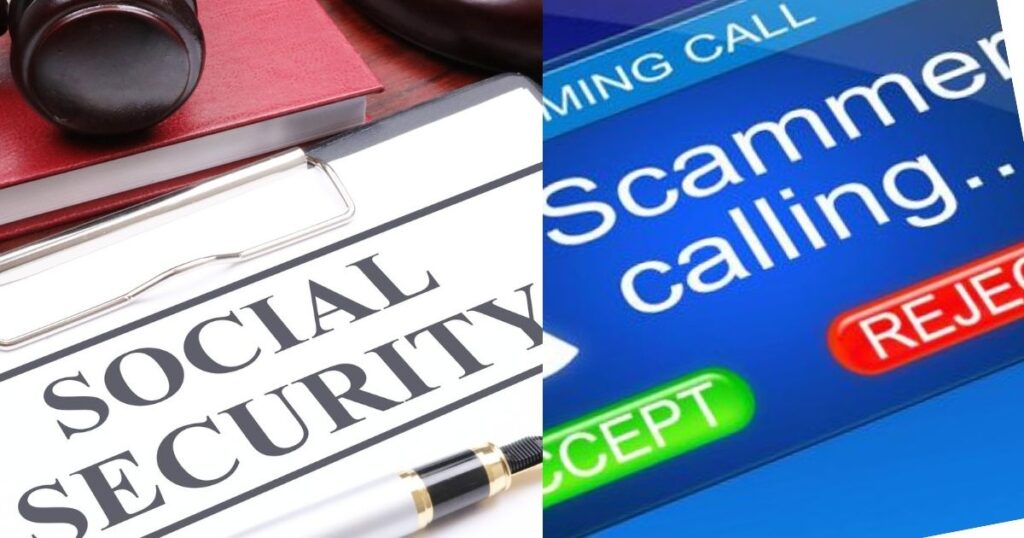
Millions of Americans rely on Social Security for their day-to-day survival. Among these are the retirees, survivors, and the disabled people. Most people relying on social security are seniors, and they are among the easiest targets of several online scams.
Most of the seniors live alone and are completely dependent on social security for their survival with no other mode of income.
Recently, there has been a new scam that is making the rounds and is targeting seniors’ hard-earned, well-deserved Social Security money. In this, scammers pretend to be from the Social Security Administration and call with a made-up issue. This is an attempt to steal money directly from the victim’s account or gather as much personal information as possible.
In this scam, scammers call the senior citizens and tell them they must verify their Social Security details to take COLA benefits for next year. Remember that there is no reason for SSA to call and confirm your details, and COLA benefits get updated automatically.
It is very important to understand how this scam works so that you can alert your loved ones and remain alert yourself. This is the key to protecting yourself.
Scammers reach out to their potential victim through phone calls, text messages or even emails and impersonate SSA officials. They make claims that there are certain problems in the account of their victims. Their issues include suspicious activity, a frozen account, or an urgent need to confirm information.
These scammers are master manipulators and they pressurize the victims into providing personal details. These people are after information like Social Security numbers or bank account information. However, as stated earlier, if it is possible, they may get the victims to send them money directly.
The most common way to intimidate victims is to use the threats of losing benefits and being involved in some kind of false accusation. Scammers also cite recent changes in Social Security benefits, such as cost-of-living adjustments (COLA), in an attempt to make their pitch sound more believable.
Scams are getting more sophisticated, yet there are a few clear warning signs that can be helpful for you to spot a fraudulent message:
- Unsolicited calls or messages: People must remember that the SSA does not call, text, or email you and will not ask for sensitive information out of the blue.
- Payment requests: They will make demands for money through gift cards. They may give you options of wire transfers or cryptocurrency, which is a sure sign of fraud.
- Pressure tactics: Scammers would want their victims to act quickly and they will threaten you if you take time.
- Suspicious emails or links: There are also chances that the messages contain misspellings, have odd email addresses, or have links urging you to “verify your account.” If these features are in the email you receive, they are mostly fake.
The Social Security Administration generally communicates by postal mail. There may be situations where they call, but that happens only when one is already involved in one of the cases.
Today’s announcement pulled back the curtain on “grandparent scams” that defraud countless senior citizens by making them believe their grandchildren are in trouble.
If you think you’re a victim of an elder fraud scam, call 1-800-CALL-FBI or report it to https://t.co/PQQChiz3Vv. pic.twitter.com/6M7fEdYfSy
— U.S. Attorney Massachusetts (@DMAnews1) August 12, 2025
Annual COLA notices are delivered through official letters. Details may be available on the secure “My Social Security” online accounts. However, these will not be through text messages or random phone calls.
If you or your parents or any elderly person in your family receives a suspicious message, remember not to panic and not to respond. Whenever you get a call, remember the following points.
- Verify the source. Do not keep the conversation going and hang up the phone. Take a screenshot and then delete the email. Contact the SSA directly using the number on their official website.
- Never share personal information. Keep your Social Security numbers, bank details, and password safe with you and do not share.
- Report scams. File an official complaint with the SSA’s Office of the Inspector General or the Federal Trade Commission. This will help them track and stop scammers.
- Educate others. Talk to friends, family, and community members, especially seniors, so they don’t fall for the same tricks.
Scammers are constantly finding new ways to take advantage of older Americans. However, with vigilance and awareness, you can avoid becoming a victim.