



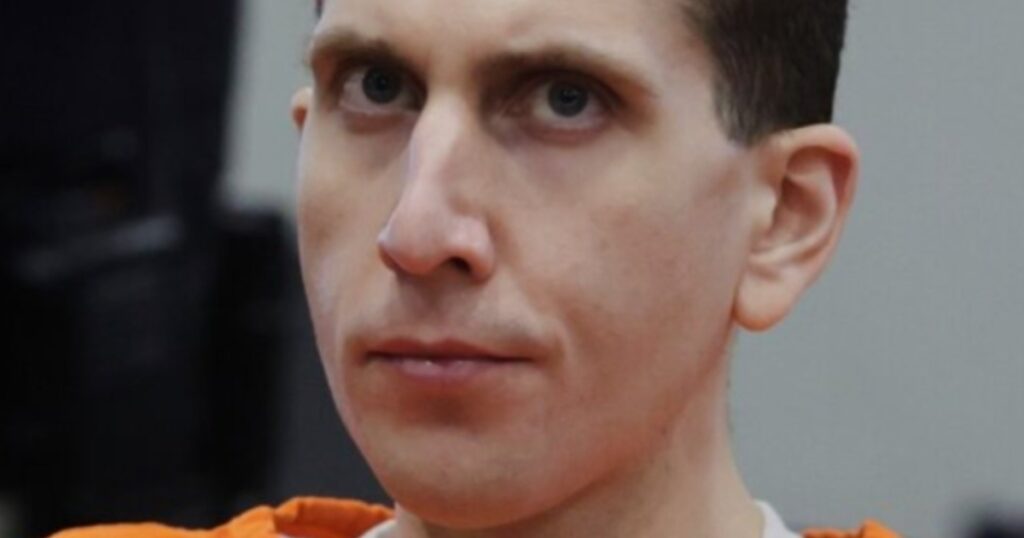
Twisted killer Bryan Kohberger scoured the internet for vile sexual content focused on attacking and raping sleeping women before brutally stabbing four Idaho college students to death, digital forensics experts have revealed.
The 30-year-old criminology PhD student’s browsing history included sickening terms about non-consensual acts, a disturbing window into his dark obsessions, even though prosecutors say there was no evidence of a sexual component to the murders.
In the early hours of November 13, 2022, Kohberger broke into an off-campus home in Moscow, Idaho, and slaughtered Madison Mogen, Kaylee Goncalves, Xana Kernodle, and Ethan Chapin. The attack shocked the quiet college town and left investigators scrambling to uncover a motive.
Inmates planned to make Idaho killer Bryan Kohberger’s life hell in prison: ‘They were waiting for him’ https://t.co/qtPyY1l5ov pic.twitter.com/iU7rocTS92
— New York Post (@nypost) August 13, 2025
The Daily Mail has obtained the exact search terms found on Kohberger’s Android phone and laptop, uncovered by digital forensics experts Heather and Jared Barnhart, who were hired by state prosecutors in 2023. According to their analysis, his online history included chilling keywords such as “raped,” “forced,” “sleeping,” “passed out,” and “voyeur.”
“The easiest way to say it is that all of his terms were consistently around non-consensual sex acts,” Jared Barnhart told the outlet, describing the pattern as deeply troubling and suggestive of a warped sexual fixation.
While police say none of the four victims were sexually assaulted, Kaylee Goncalves’s father has publicly suggested the killings may have been driven by Kohberger’s “weird sexual fetishes.” Others believe his original plans may have changed if he was confronted unexpectedly during the attack.
Footage of #BryanKohberger behind bars was just leaked by a prison guard who had access to the camera in his cell. He has a bed, a toilet, some belongings & he seems to be going stir crazy. This is the start of the rest of his life.
TikTok: https://t.co/K48SEUhGXe pic.twitter.com/JNPKT0xudh
— Matt Thibodeau (@MattThibodeau) August 15, 2025
Despite mounting evidence and public speculation, Kohberger has refused to explain his motives. Prosecutors say the case remains devoid of any clear personal connection between the killer and his victims, a chilling mystery that continues to haunt the community.
When confronted with the charges, Kohberger declined to reveal his plans or state why he committed the murders. His silence has only fueled speculation about what might have been going through his mind in the hours before the killings.
Court records show Kohberger was an aspiring criminologist, studying the very law enforcement tactics that would later be used to catch him. Investigators allege that his knowledge of criminal procedures allowed him to cover his tracks for weeks, evading capture until a combination of cellphone data, DNA evidence, and surveillance footage placed him at the scene.
Even in the wake of his arrest, Kohberger has maintained an unsettling composure, speaking only through his attorneys and offering no public statements of remorse or explanation. The revelations about his internet search history now provide one of the most disturbing glimpses yet into the mindset of a man accused of one of the most gruesome college town massacres in recent American history and raise new questions about whether his violent fantasies ultimately bled into reality.
With his trial looming, prosecutors are expected to present the search history as part of their case, arguing that it reveals a chilling preoccupation with violence against women. For the victims’ families, each new piece of information adds another layer to the nightmare, but still no clear answer as to why he did it.