



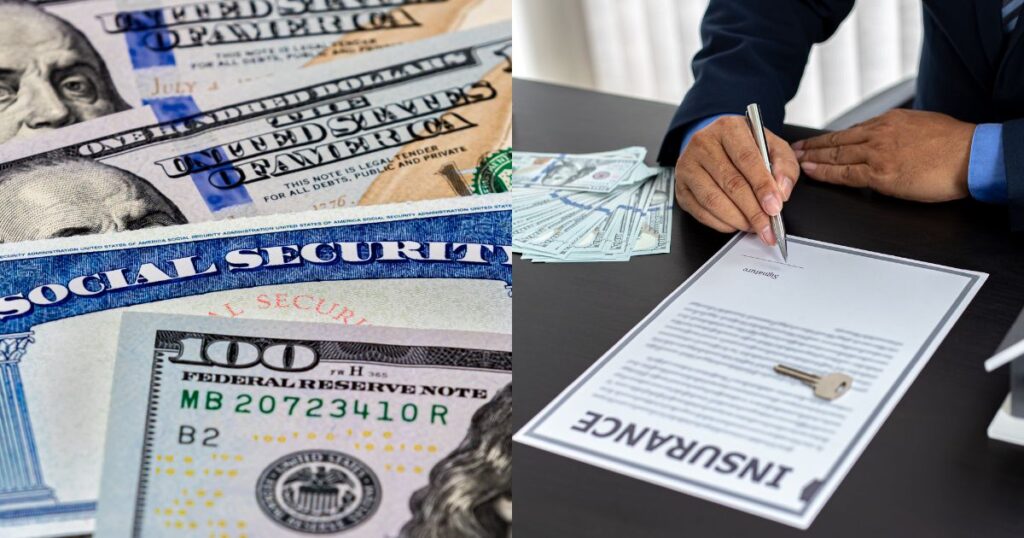
Social Security Number (SSN) is an integral part of the lives of Americans. The nine-digit number is issued to US citizens, permanent residents, and temporary working residents by the Social Security Administration, an agency of the US government. Over the years, it has become an identifier for individuals as the same SSN is never issued to two different people. But have you ever wondered what happens to the SSNs of people after they die? Well, here’s all the detail you need!
When a person dies, his social security number isn’t allotted to anyone else. It is done to prevent any kind of identity theft and keep the records straight. A family member of a deceased person or funeral home informs SSA about the death and presents an official death certificate. The SSA then updates its records and initiates the inactivation process.
The deceased’s social security number is added to the Death Master File (DMF). The number then permanently ceases to exist and is never allotted to anyone else, even as the population continues to grow. This rule has been followed since 1936, when the SSNs were issued for the first time. As per Money Digest, there are enough combinations of numbers that recycling isn’t required.
The database of DMF is updated weekly. Usually this file is helpful for financial institutions and federal agencies to ensure that SSNs of the deceased aren’t used illegally to claim benefits. DMF is split into two versions: one is a limited public access DMF for general fraud prevention. The other one is a restricted full DMF that is available only to certified entities. Organizations that need to access limited access DMF have to complete a certification process. Generally, IRS and Medicare rely on Death Master File maintained by SSA.
It is important to note that although DMF helps prevent any identity fraud, it can still happen if there are any delays in reporting deaths. Therefore, the families of the deceased should report and provide a death certificate at the earliest. Even financial institutions like banks and credit agencies access DMF to freeze accounts of the deceased or stay vigilant and deny credit applications fraudulently filed under a dead person’s social security number.
View this post on Instagram
In the last few years, identity theft from deceased individuals has become increasingly problematic. Criminals fraudulently use the SSNs of deceased to open accounts, take credit, file fake tax returns or claim social security benefits. In 2022 alone, nearly 28,000 identity theft cases were reported to the FBI,
Therefore, it is advised that the death certificate be submitted to the SSA in a timely manner to ensure that the SSA becomes inactive. It is also important to limit personal information in obituaries and regularly monitor credit reports for suspicious activity post-death. If, unfortunately, the fraud occurs, Federal Trade Commission recommends filing a report so that a swift action is taken. The report can be filed through identitytheft.gov.