U.S. hospitals patch Java flaw that could allow remote attacks
The American Hospital Association said it knew of no negative effects on hospital operations beyond responding to potential threats.
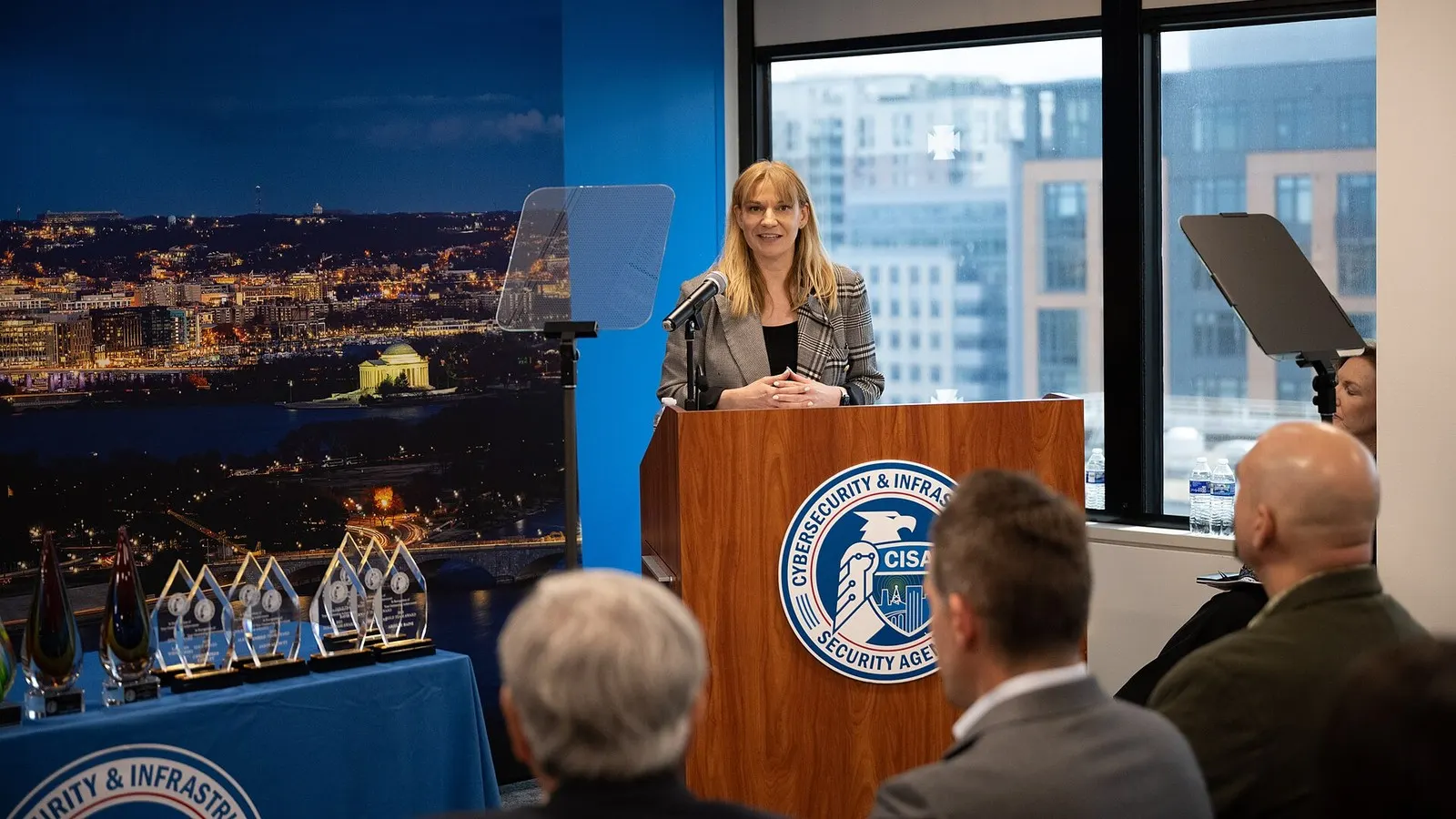
U.S. hospitals are checking for intrusions and installing Oracle fixes for a Java flaw after a federal cybersecurity warning Tuesday. The American Hospital Association said Wednesday it knew of no negative effects on hospital operations.
The association said responding to potential threats was the only disruption to operations it knew of, Quartz reported, citing The New York Times.
John Riggi, the association's national cybersecurity adviser, told The New York Times that hospital technology departments are racing to "patch before they hack."
Riggi said teams are examining internal networks, medical devices and programs exposed to the internet for the flaw, then applying patches as quickly as possible. Hospitals use Java in several ways, including through Cerner, an electronic health records vendor Oracle acquired in 2022.
The Cybersecurity and Infrastructure Security Agency, or CISA, called for immediate patching Tuesday. Oracle issued a Java Development Kit update containing fixes that day.
CISA said the memory-corruption bug is known as "Java4Shell," and tracked as CVE-2026-114938. It affects the Base64 decoder in the x86-64 HotSpot Java Virtual Machine, which belongs to the Java Development Kit.
Specially crafted Base64 input could crash the virtual machine or permit attackers to execute code remotely without authentication, the agency said.
CISA asked organizations to locate affected Java copies, including versions packaged with third-party applications or incorporated into container images and appliances. Those copies might not have separate listings in software inventories.
The agency said internet-facing systems should receive patches first. If an immediate fix is impractical, it recommended temporary measures such as checking Base64 input, setting size limits and restricting unauthenticated access.
It also called for monitoring for rogue runtimes, unexpected virtual machine crashes and suspicious Java processes.
It was not immediately clear whether anyone had exploited the flaw against a U.S. hospital or another U.S. organization. It was also unknown whether Oracle's Cerner health records systems were affected or how many hospitals had completed patching.
Calif's discovery
Calif, a U.S. tech firm, said it found the bug in Java's memory functions. The company called Java "the beating heart of the modern economy" and said systems at 90% of Fortune 500 companies use the language.
Calif found a vulnerability in PHP, another programming language, in October. After the company disclosed it, governments and businesses worldwide took websites offline as a precaution.
The Java issue is the latest flaw found in a major programming language using artificial intelligence tools, UPI reported, citing Politico.
"This is the crazy world we live in," Florian Quarré, chief data and AI officer at hospital group purchaser Premier, said Tuesday. "This came out hours ago and is another example of a crack in well-wielded armor that is cracked open with new tools," he said.
International warnings
South Korea's presidential office met with government agencies Tuesday to discuss preemptive measures, Reuters reported, citing Yonhap. South Korean, German and British authorities, as well as China's Tencent, called on organizations to install a fix.
Tencent Cloud told customers Wednesday that attackers without authentication could use the vulnerability to take sensitive information or control affected servers.
German and Dutch cybersecurity agencies said they knew of no successful attacks using the flaw. The Dutch agency said it was investigating.
Britain's agency asked organizations to keep their systems updated "during this unprecedented time."
CISA did not connect the flaw with any recent outages.
Secretary of State Marco Rubio, who is also national security adviser, previously described recent incidents as "unsettling" but said they were completely unrelated.
Karolis Kaciulis, lead system engineer at Surfshark, told Reuters that companies are using AI to scan systems and quickly fixing what they find, which carries risks. "Patching that much, that quickly, makes systems less stable," he said.
Sources
- UPI: Hospitals work to secure systems after Java vulnerability revealed - UPI.com
- Cybersecurity and Infrastructure Security Agency CISA: Critical Java Vulnerability Requires Immediate Patching | CISA
- Reuters: Governments warn Java flaw leaves computer systems open to hackers
- Quartz: U.S. hospitals patch Java vulnerability found with AI