

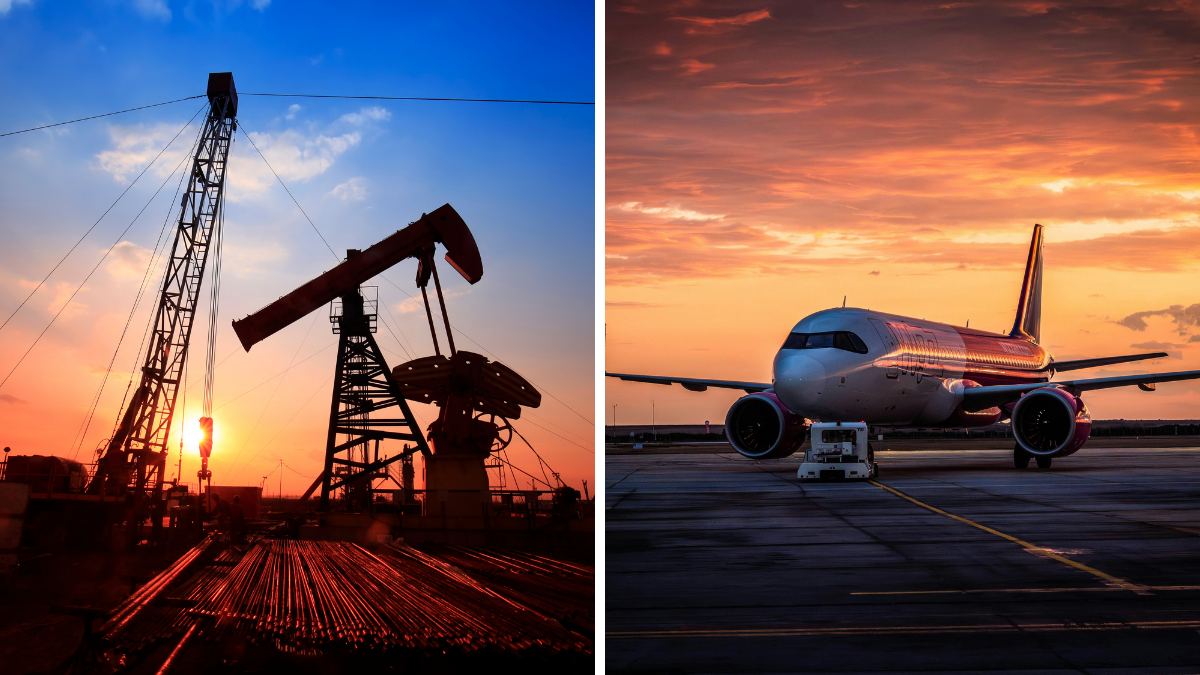
As the war in Iran continues, global fuel security appears threatened. The closing of the Strait of Hormuz has left many industries reeling from higher prices, which are expected to hit demand sooner or later. However, airlines in the United States have pointed to steady demand despite inflated prices and have projected a more confident outlook for the industry.
United Airlines CEO Scott Kirby spoke on the matter, pointing out that demand has been steady. He said recent hikes of as much as 15% to 20% failed to impact demand, adding that this would allow the airline to fully offset any increase in fuel prices.
Executives from Delta Air Lines, American Airlines and United Airlines told investors Tuesday that strong ticket sales are helping offset those higher costs, with all three carriers reporting record bookings this year. https://t.co/m5aoUOg9wg
— ABC7 News (@abc7newsbayarea) March 18, 2026
Fuel prices, especially for airlines, have almost doubled since the war began. Energy authorities around the world have cautioned against continued conflict and how it might have long-term effects on the global economy.
A number of airlines have also begun cutting low-yield flights, focusing on routes that are usually in high demand. These decisions aim to ensure the most profitable routes can still be priced at a reasonable rate despite inflated fuel prices.
They would rather forgo some demand than jeopardize fuel efficiency.
While the United States has expressed confidence during these trying times, companies across the pond in Asia and Europe have been more cautious. Germany’s Lufthansa said the outlook for 2026 remains uncertain, given Europe’s geopolitical climate.
RELATED: Trump Claims U.S. Fuel Prices Will ‘Drop Like a Rock’ Post Iran War, Experts Say Otherwise
Lufthansa is facing a two-day pilot walkout starting Thursday, threatening to ground hundreds of flights at a time when the airline already grapples with fuel-price volatility and geopolitical disruption https://t.co/OsvAuymogU
— Bloomberg (@business) March 10, 2026
Booking patterns in the United States have largely remained unchanged. There have been only a few early bookings aimed at avoiding last-minute fare surges. The market in the United States, at least for airlines, is largely dependent on premium customers, frequent flyers in loyalty programs, and corporate accounts, which are less affected by fuel surges and inflation.
Delta has reported that while there has been a decline in European bookings to travel to the United States, U.S. travelers still seem to be booking trips to Europe.
As the war drags on, fuel prices continue to rise globally. Donald Trump recently called on countries to aid the United States in keeping the Strait of Hormuz open. However, most countries declined. Those countries have also issued a joint statement saying that it condemns Iran’s attacks on energy installations and are ready to take appropriate steps to keep the Strait of Hormuz open.