Supreme Court to review Trump asylum ban rejected by 2 lower courts
Two lower courts found the restrictions unlawful, but the policy remains in effect while the Supreme Court reviews the case.
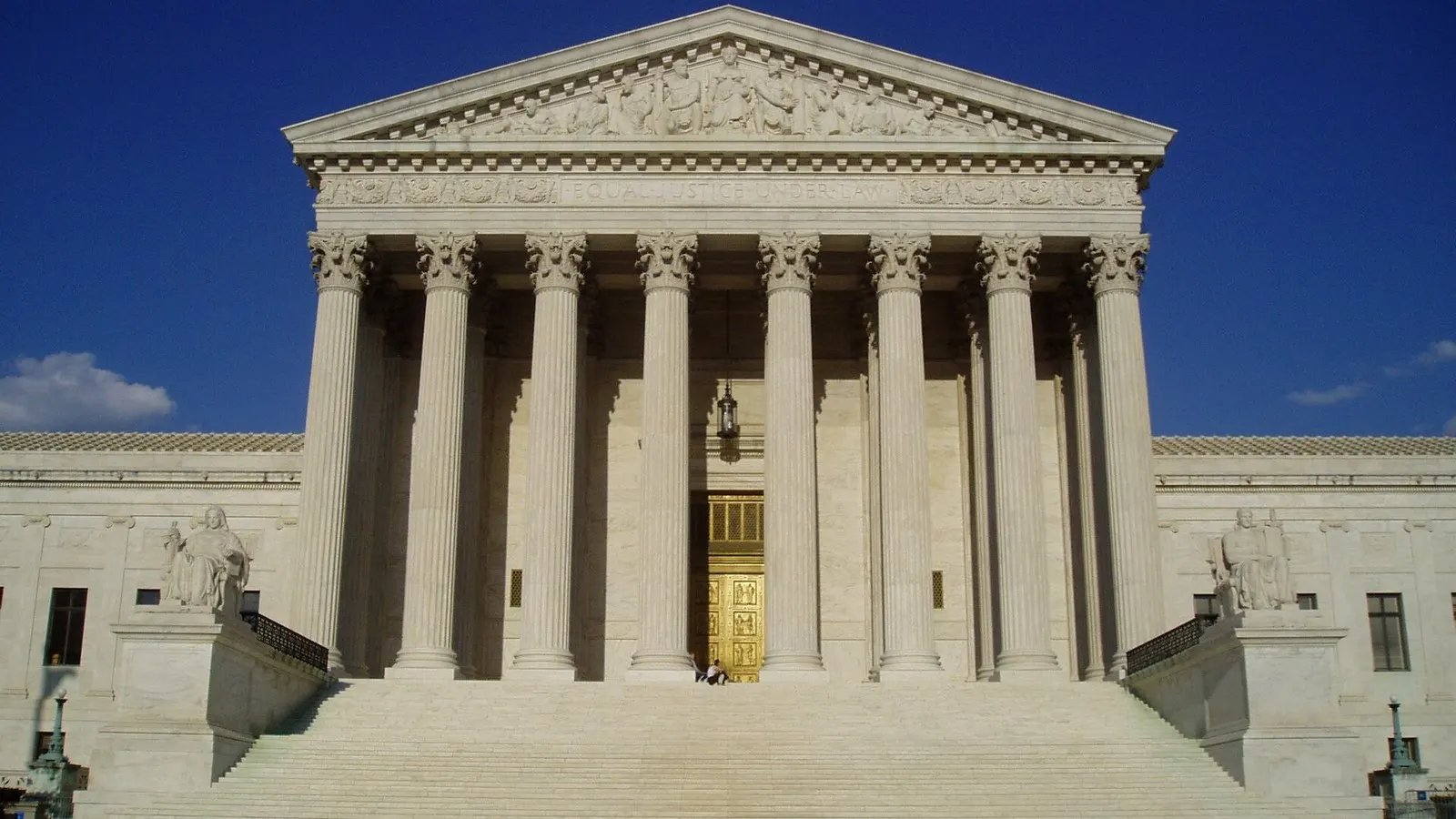
The Supreme Court agreed Friday to decide whether President Donald Trump can prevent migrants crossing the southern border from seeking asylum, after two lower courts found the policy unlawful.
Trump declared an "invasion" at the southern border in the proclamation imposing the ban, which he issued on Jan. 20, 2025, his first day back in office. The order suspended entry for migrants crossing between ports of entry and prohibited them from seeking asylum or other protections permitting them to remain in the U.S.
The restrictions remain in effect. The appeals court stayed its decision pending Supreme Court review.
One provision allows immediate removal, with no opportunity to seek asylum, for anyone crossing without the required paperwork. The Department of Homeland Security issued implementing guidance, and immigration officers have used the policy to summarily remove migrants entering illegally without allowing them to apply.
Solicitor General D. John Sauer wrote in earlier court papers that the policy "rests on a commonsense understanding of the President's inherent and delegated powers to exclude aliens." He cited a law allowing the president to restrict entry when he deems it "detrimental to the interests of the United States."
The challengers' lawyers at the American Civil Liberties Union wrote in earlier court papers that the president "may not invent by fiat a new removal system that eviscerates the protections Congress mandated by statute." They say the ban conflicts with the Immigration and Nationality Act, which allows immigrants to claim a "credible fear" of torture or persecution if returned home.
Lawyers dispute border effects
Trump's lawyers say the president may deny asylum categorically to migrants covered by the proclamation and need not accept applications destined for rejection. Federal attorneys say asylum decisions once took years, contributing to a large influx of migrants at the southern border because many were released into the country while awaiting a decision.
Attorneys at the ACLU and the National Immigrant Justice Center say crossings were already declining before Trump took office. They argue that asylum decisions must be individual and that the law gives no president unilateral power to prevent applications.
Unlawful crossings at the U.S.-Mexico border have reached historic lows, according to CBS News.
Federal law gives people who fear persecution at home the right to seek asylum, regardless of how they entered the country. The executive branch decides whether to grant it.
The lower court rulings
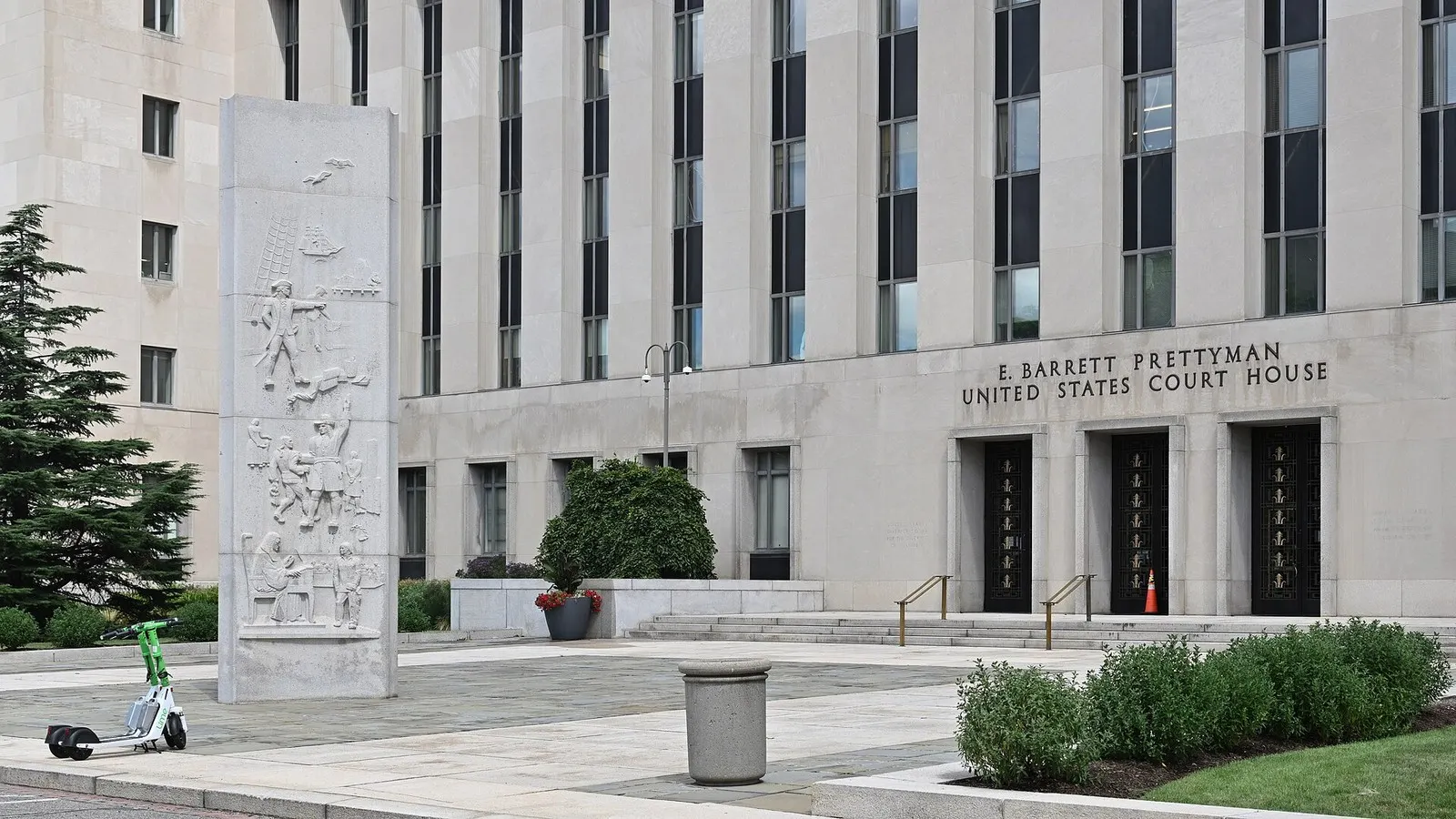
In February 2025, three nonprofit immigration groups joined 13 people in filing a class-action lawsuit against the proclamation and government guidance. The groups are the Refugee and Immigrant Center for Education and Legal Services, the Las Americas Immigrant Advocacy Center and the Florence Immigrant & Refugee Rights Project.
U.S. District Judge Randolph Moss ruled for the challengers in Washington in July 2025, finding the restrictions unlawful. Neither the Constitution nor immigration law, he wrote then, "grants the president ... authority to replace the comprehensive rules and procedures set forth in the INA." Moss certified a class covering everyone subject to the proclamation and barred the government from enforcing it against them.
In April 2026, a divided three-judge panel of the U.S. Court of Appeals for the District of Columbia Circuit upheld Moss's decision. The two-judge majority found that the president cannot suspend migrants' right to apply for asylum or deport them using the government's new summary removal proceedings.
The asylum dispute is the third case involving Trump's immigration policies now before the justices. The other cases address deportations to "third countries" and indefinite detention during deportation proceedings.
In June, the court upheld the government's power to turn away asylum seekers when officials consider border crossings too overburdened to process additional claims.
It was not immediately known when the court will hear arguments. NBC News said a decision is expected by the end of June, while CBS News said it could arrive by the end of June or in early July.