Supreme Court clears Trump administration to resume Big Bend wall construction
The justices suspended a lower court injunction; Justice Ketanji Brown Jackson alone publicly dissented.
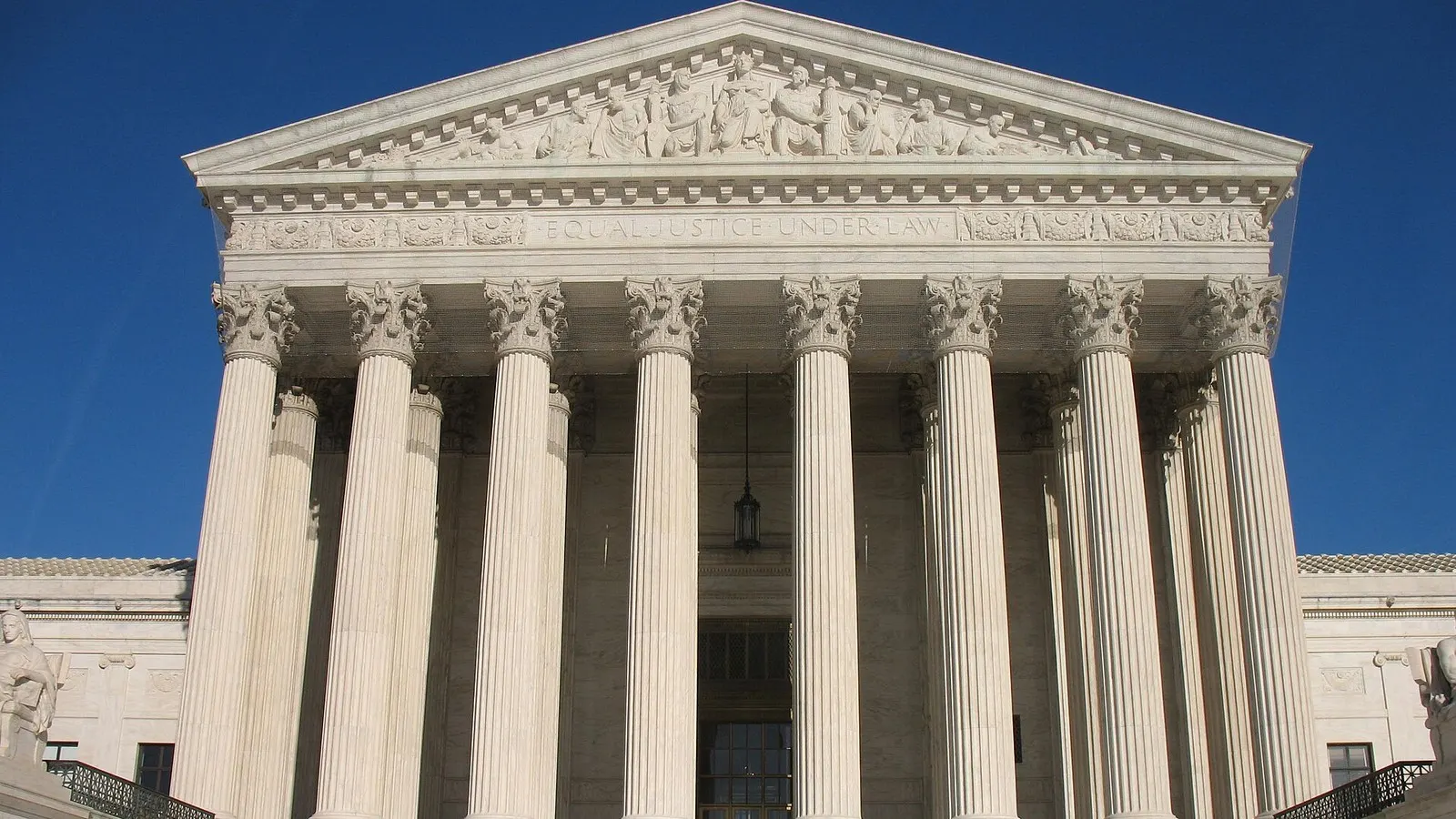
The Supreme Court on Monday cleared the Trump administration to resume border wall construction in West Texas' Big Bend region while a lawsuit over the project continues.
The justices granted the administration's emergency request, suspending a preliminary injunction that U.S. District Judge Kathleen Cardone issued in El Paso in October. Her order had stopped barrier construction and ground-disturbing work throughout the Big Bend Sector.
The court's unsigned order ran five pages and said the government "is exceedingly likely to prevail" in its argument that the district court lacked jurisdiction to halt construction. The court said the 1996 immigration law likely bars judicial review of the challengers' claims.
"The Trump administration and its contractors are hellbent on destroying one of America's greatest national parks, and the Supreme Court just gave them the green light," said Laiken Jordahl of the Center for Biological Diversity, a plaintiff in the case.
Justice Ketanji Brown Jackson alone publicly dissented, saying she would have denied the request.
Jackson filed no written dissent, Fox News reported. ABC News put the vote at 8-1, while CBS News noted that the unsigned order did not identify the justices who supported it.
The court said Cardone's order "impedes the Government from advancing its 'compelling interests' in border security and integrity". That interest, the order said, "outweighs any aesthetic, recreational and environmental harm alleged by respondents."
The 1996 law allows the Homeland Security secretary to waive legal requirements deemed necessary to speed construction of border barriers and roads. Secretaries Kristi Noem and then Markwayne Mullin issued three waivers for Big Bend project areas this year, after finding the region had high illegal entry.
In an earlier filing, the Justice Department defended the authority as one that "reflects a crystal-clear, indisputably valid express delegation from Congress that the executive has used for decades to expedite border-wall construction." The government has said officers apprehended more than 89,000 people attempting to cross illegally in the Big Bend area between 2021 and 2025.
The administration said cartels operate in Mexico south of the region, while federal attorneys argued that a wall gap could channel more traffic into Big Bend. In October, Solicitor General D. John Sauer argued that stopping work would cause "irreversible delays, costs, and operational harms."
The Center for Biological Diversity's fellow plaintiffs include a river guide from the Big Bend area and an organization seeking to protect a historic adobe church in Ruidosa, Texas. The plaintiffs said Noem and Mullin exceeded their authority.
Cardone agreed in October and found that Congress had not clearly authorized the waivers.
"Therefore, if the Big Bend Sector is an area of high illegal entry, so is every other sector, and the waiver authority would apply to the entire US-Mexico border," Cardone wrote in October. Court filings put the sector's annual share of border-wide apprehensions between 0.3% and 2.2%; the plaintiffs said the sector ranks last along the southern border.
The plaintiffs argue that construction would permanently alter an area encompassing Big Bend National Park, Big Bend Ranch State Park and nearly 200 miles of the Rio Grande Wild and Scenic River corridor. Jordahl said the ruling lets contractors "bulldoze pristine desert and dynamite canyon walls before the courts have even decided whether this destruction is legal."
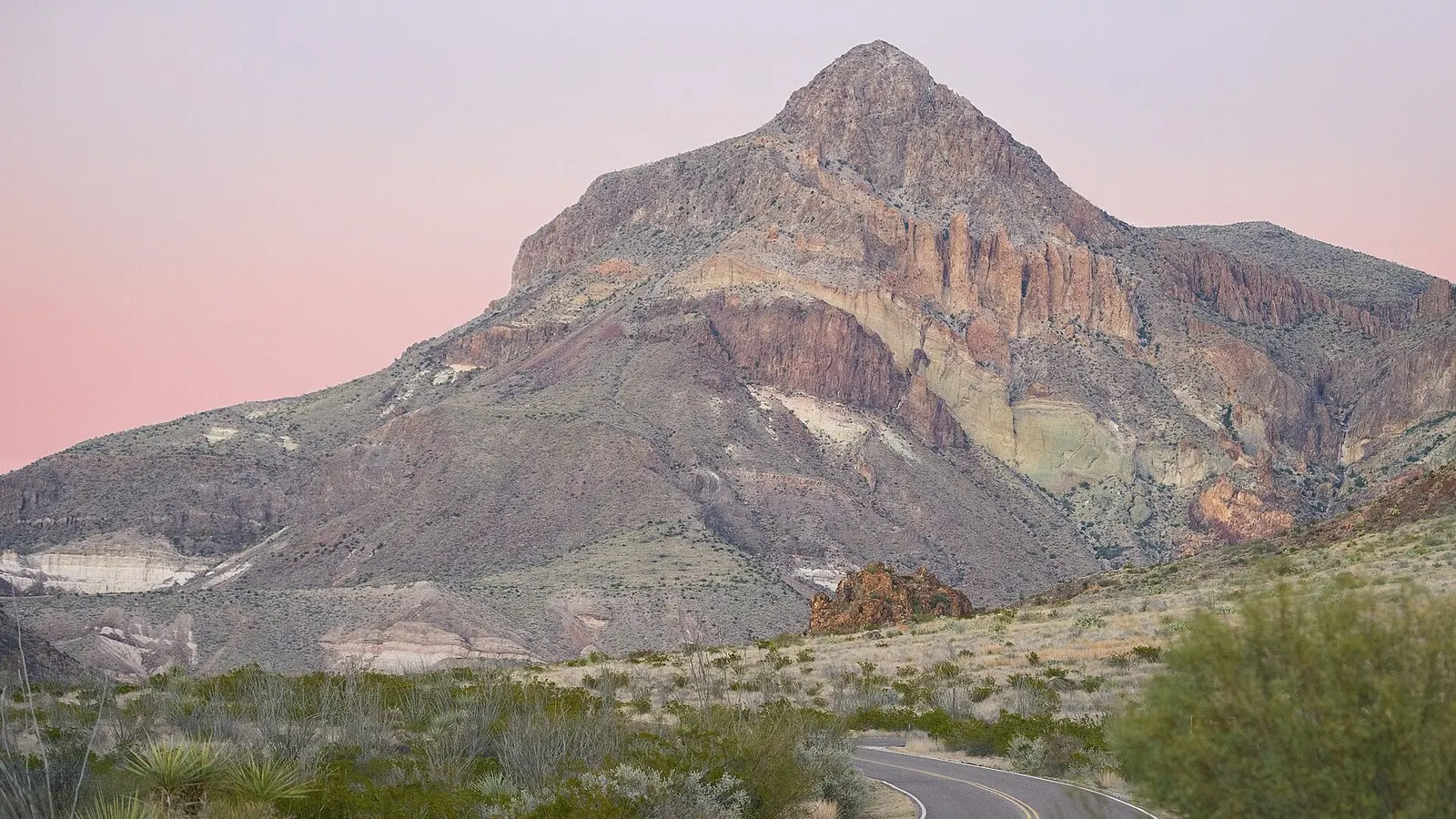
The administration has said Big Bend National Park would receive a 17-mile noncontiguous vehicle barrier system, rather than the 30-foot pedestrian barrier planned in other areas.
Reuters reported that the administration halted work in the park in August after criticism from both parties.
Opponents include local officials and some Texas Republicans, who say the barriers are an unnecessary expense where illegal immigration has historically been low and that drones could serve instead.
It was not immediately known when work inside the park would resume. The lawsuit continues in the lower courts.
Sources
- ABC News: Supreme Court lifts pause on border construction in Big Bend, Texas
- Fox News: SCOTUS allows Trump admin to temporarily resume border construction in Texas' Big Bend
- CBS News: Supreme Court allows Trump administration to resume border wall construction in Big Bend region
- AP News: Supreme Court clears the way for border wall construction in Texas’s Big Bend to resume
- The Hill: Supreme Court allows Big Bend border construction to continue in Texas, siding with Trump
- Washington Examiner: Supreme Court lifts block on Big Bend border wall construction
- Yahoo News: Supreme Court allows Trump border wall at Big Bend National Park in Texas