XtalPi and Pierre Fabre will use AI and robotics to seek cancer drugs
XtalPi will design small-molecule drugs from scratch, while Pierre Fabre will select compounds and handle their clinical and commercial development.
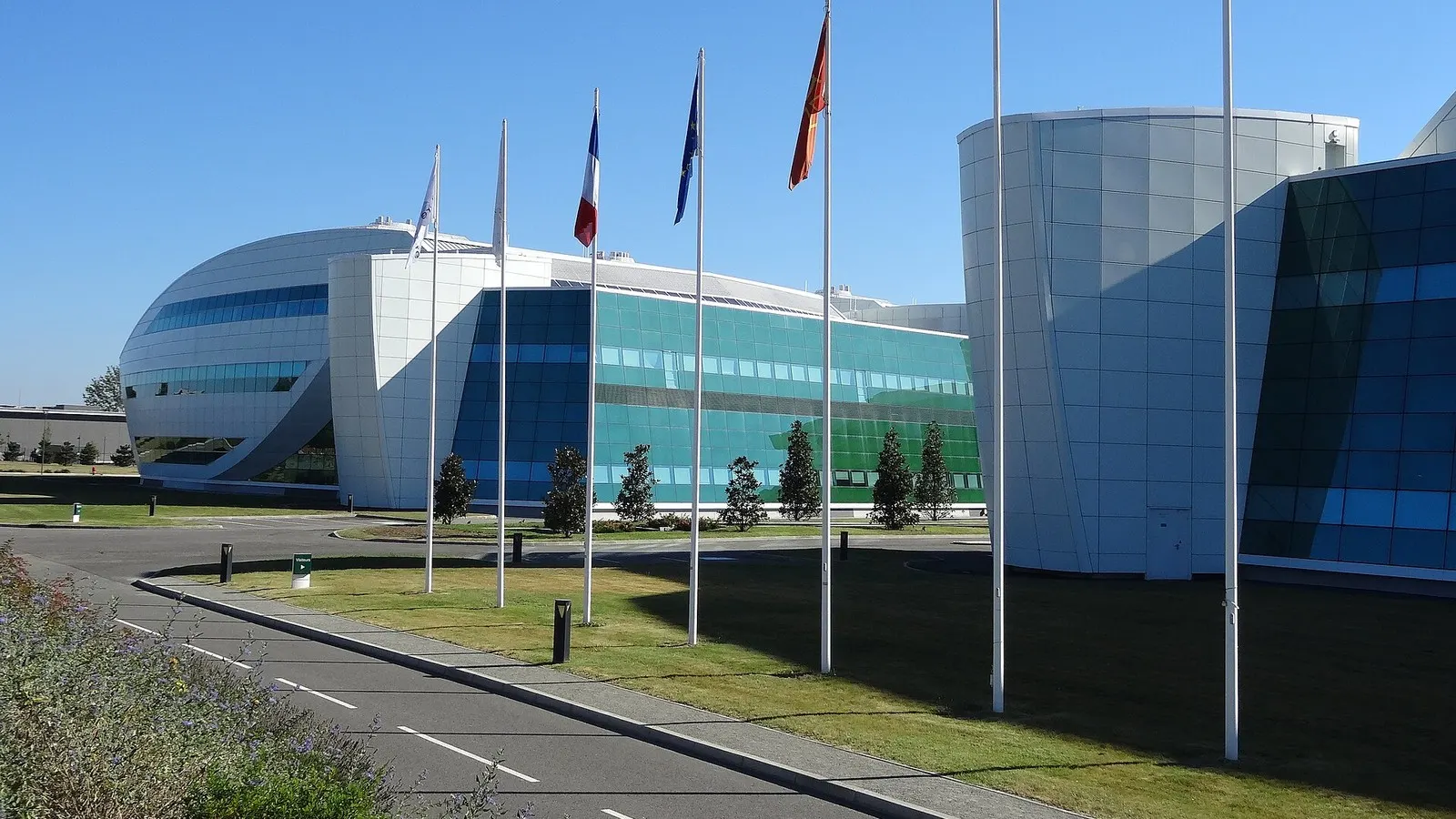
Laboratoires Pierre Fabre and XtalPi Holdings, the two companies, said Monday they will use artificial intelligence and lab robotics to seek potential cancer treatments.
XtalPi will design new small-molecule drugs from scratch using its AI and robotics platform, with the targets left undisclosed, the companies said in a joint statement datelined Castres, France, and Shenzhen. XtalPi trades in Hong Kong under the stock code 2228.HK.
Pierre Fabre will select and advance promising compounds, drawing on its expertise in disease biology, drug discovery, translational research and clinical development. It will then handle their clinical and commercial development.
The financial arrangement provides for an upfront payment, several milestone payments and a share of future economic benefits. The specific terms were not disclosed.
The number of research programs covered and the expected timing of the first clinical candidates were not immediately known.
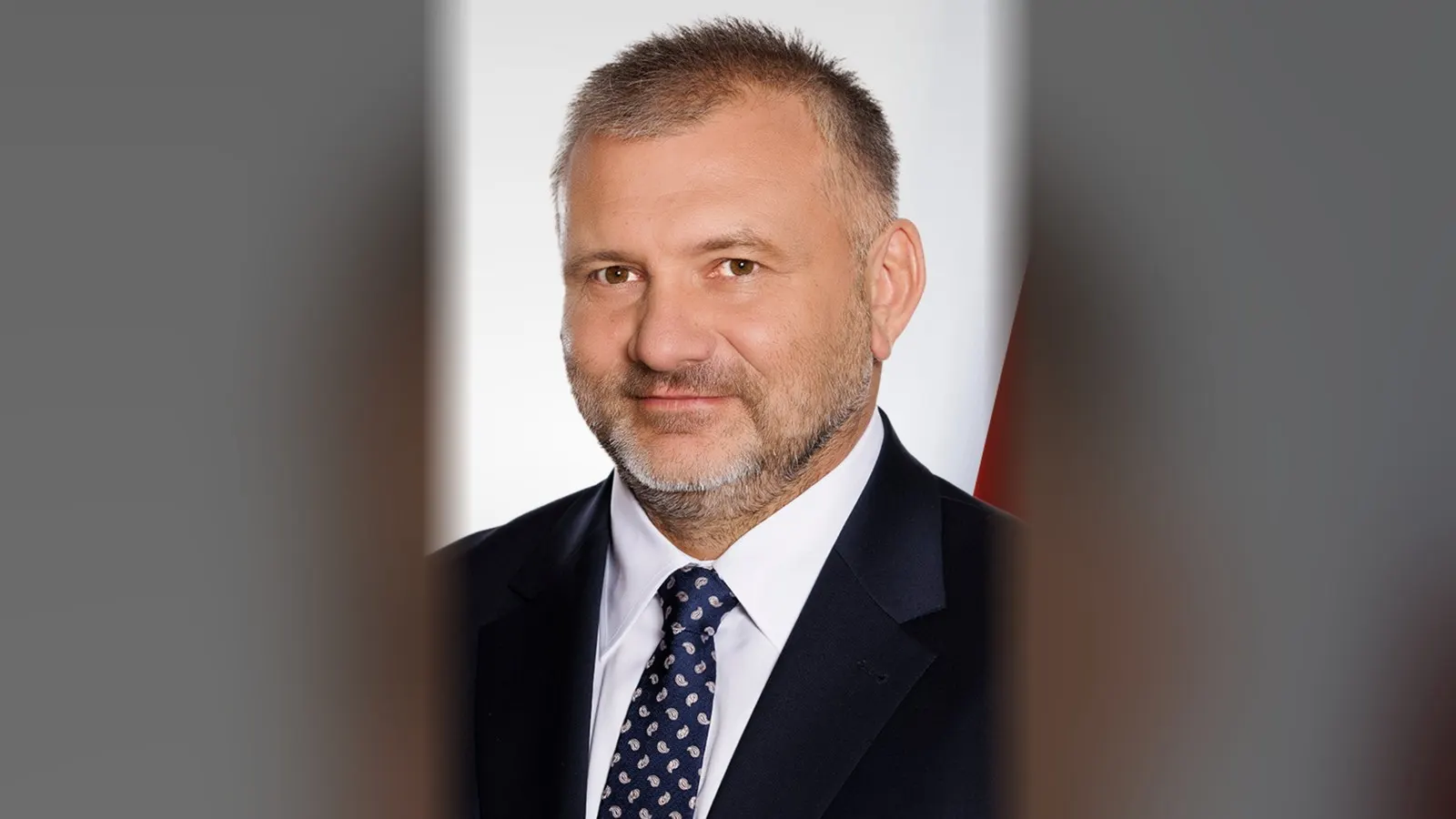
Francesco Hofmann, head of pharmaceutical research and development at Laboratoires Pierre Fabre, said the XtalPi partnership marked an important milestone for the company. Faster delivery of high-quality clinical candidates against multiple targets using XtalPi's AI expertise would make a key contribution to Pierre Fabre's discovery engine and its research and development data and AI roadmap, he said.
Raymond Zheng, head of integrated drug discovery at XtalPi, said it was an honor to partner with Pierre Fabre, an international pharmaceutical company he described as respected. The alliance brings XtalPi's AI and robotics capabilities together with Pierre Fabre's established therapeutic development expertise, he said. Zheng said the aim is to advance promising preclinical candidates for patients whose medical needs remain unmet.
Both companies said they want to explore complex targets that have historically been difficult for drugs to address and where medical needs remain unmet. They aim to identify high-quality clinical candidates faster.
The companies said the deal strategically adds to Pierre Fabre's research and development roadmap and strengthens its drug discovery capabilities. They said it also advances XtalPi's work using AI and robotics to discover drugs from scratch.
XtalPi has previously sold access to its robots. On Nov. 6, its Asia-Pacific business development head, Hwang Jae-sung, said XtalPi has offered its automated compound-synthesis system to outside customers since 2023, following about five years spent building it, Medipana News reported.
Hwang said in November 2026 that XtalPi's published success rate for robotic synthesis is about 85%. Medipana News said that rate measures compound synthesis rather than success in clinical trials.
The research programs focus on oncology, though the companies said the collaboration could later include dermatology and rare diseases.