Joanna Natasegara traces Wu-Tang film to a three-hour lunch in Morocco
Cilvaringz told the director his life story over lunch; her Netflix film follows his work on Wu-Tang's one-copy album.
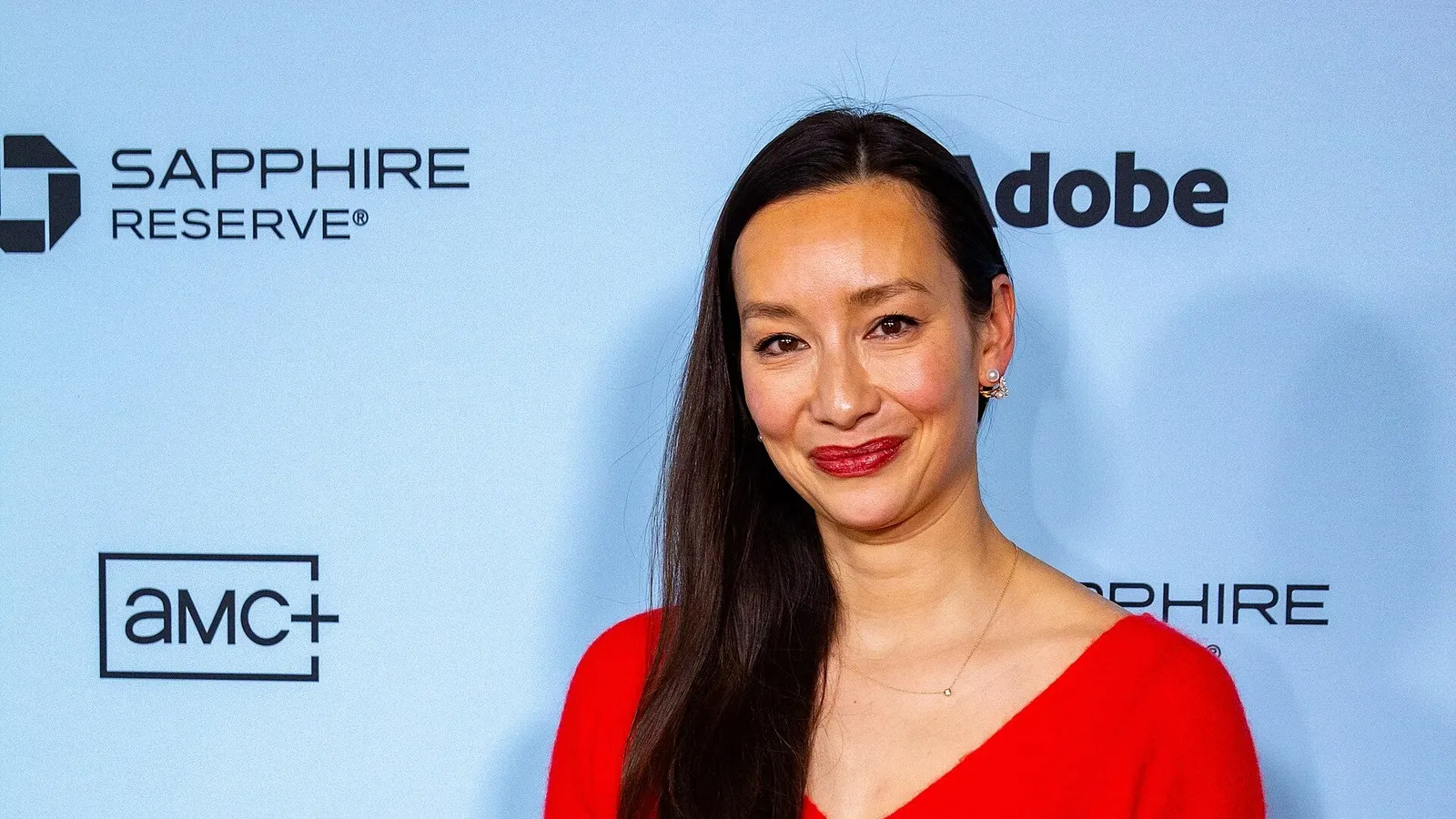
Wu-Tang Clan’s one-copy album is the subject of a Netflix documentary that director Joanna Natasegara told Deadline began with a three-hour lunch in Morocco. Her interview appeared two days ahead of the group’s Thanksgiving halftime performance in Detroit.
“The Disciple: A Wu-Tang Fable” follows Cilvaringz, a Dutch Moroccan fan of Wu-Tang who became an artist and whose real name is Tarik Azzougarh. He has been connected to the group since the late 1990s. The film traces his association with the Staten Island group and his role in producing “Once Upon a Time in Shaolin,” an album with one copy.
Deadline called the documentary an Oscar contender. Natasegara makes her feature directing debut with the film, having won an Academy Award as a producer whose credits include “The White Helmets,” “The Edge of Democracy” and “Virunga.”
“I was on a holiday in Morocco with my family and a script writer friend of mine came for lunch,” Natasegara said. The friend, Azzougarh’s sister, told her he was having trouble with his life story and life rights and belonged to Wu-Tang’s Killa Bees, a collective of affiliated artists.
“So, he came to lunch and honestly, over a three-hour lunch, he told me his whole life story,” Natasegara said.
Natasegara said she came of age in the 1990s and “Wu-Tang was just something me and my friends were very much into,” but Azzougarh’s story was new to her. “We’re exactly the same age. He was obviously a migrant growing up in a tiny town in Europe, and a lot of that resonated with me,” she said.
Natasegara wanted the film to reach people unfamiliar with Wu-Tang. “I wanted to build the film as a kind of homage to a Wu-Tang album. There’s a lot of Easter eggs in the film — if you’re a Clan fan, you can see them,” she said.
She described a coming-of-age story about ambition and mentorship, tracing a line from Shaolin monk Shi Yan Ming through RZA to Azzougarh. “So, the album in a way is kind of a McGuffin,” she said.
As RZA’s protégé, Azzougarh took guidance from his line “Persistence overcomes resistance.” “We had t-shirts made,” Natasegara said of the motto.
In the film, Natasegara asks whether making the album marked Azzougarh’s career high point or destroyed his career. He replies that he does not necessarily see himself as having a career.
Martin Shkreli bought the album’s sole copy. Following his fraud conviction, the U.S. government seized his assets, among them the album and its custom-made box, Deadline reported.
A legal agreement bars commercial release of the album until 2103, allowing it to be played only at limited special events in the meantime.
“The album was a perfect protest. It was a perfect way to say, why is this piece of music worth less than something that is put in an extraordinary museum?” Natasegara said.
She said the question of creative work’s value applies to both film and music as artificial intelligence develops. “How much less will everything be valued, in fact?” she said.
The documentary had its premiere at the Sundance Film Festival in January, then screened at the Telluride Film Festival in September before reaching Netflix. Natasegara said listening sessions at both festivals included the album. “I haven’t heard the whole thing,” she said.
Natasegara said people involved with the film and album continue to discuss whether to release it. “But I would really like people to be able to hear it because it’s good,” she said.
On Thursday, Wu-Tang Clan will perform at halftime when the Detroit Lions host the Chicago Bears at Ford Field.