FDA requires eye warning for Ozempic, Zepbound and other GLP-1s
The FDA reviewed 126 clinical trials and found a potential increased risk of NAION, which can cause permanent vision loss.
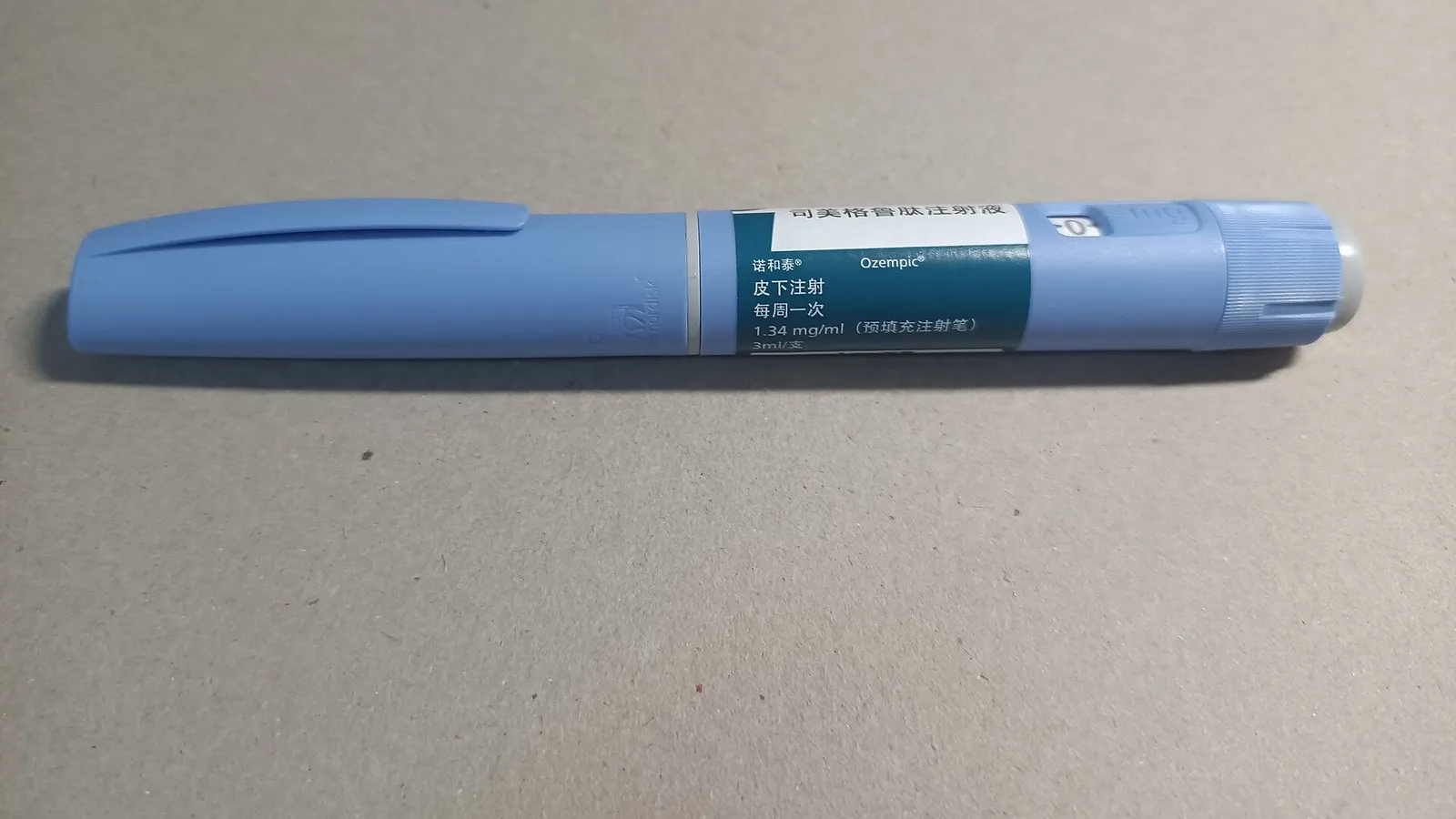
The U.S. Food and Drug Administration said Monday that makers of all GLP-1 drugs, including Ozempic and Zepbound, must warn of a potentially increased risk of a rare eye condition that can cause permanent vision loss.
The label requirement covers Novo Nordisk's Ozempic and Wegovy, Eli Lilly's Mounjaro and Zepbound, as well as a number of older medicines for diabetes. GLP-1 drugs are widely used for type 2 diabetes and to reduce excess body weight and maintain weight loss long term.
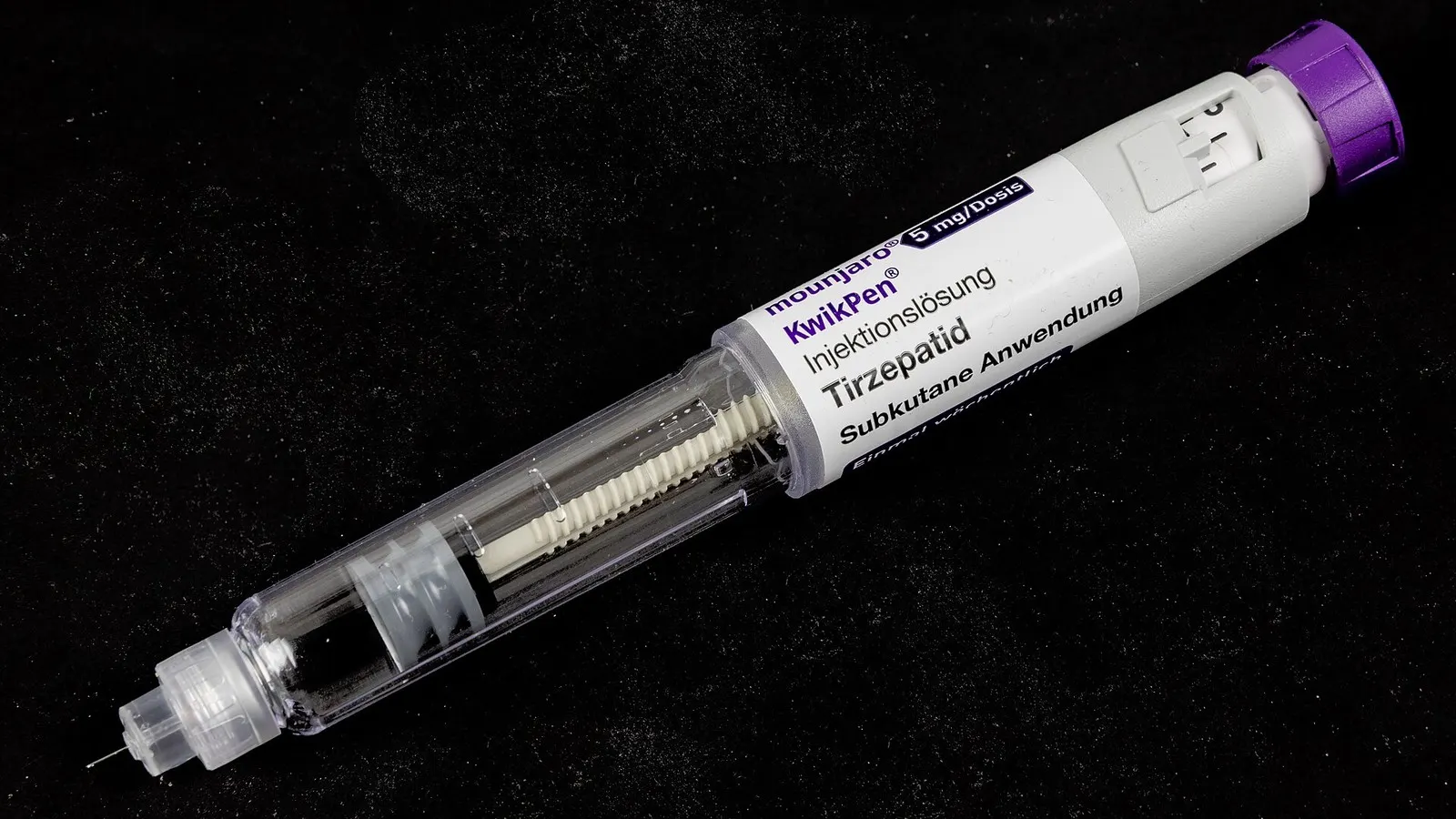
"FDA concluded that there is a potential increased risk of rare NAION events in patients taking GLP-1 RAs," the agency said; GLP-1 RAs is its abbreviation for GLP-1 receptor agonists. The FDA said each product currently sold in the class has been associated with reported cases.
The FDA began its review after a July 2024 article in JAMA Ophthalmology about semaglutide, Ozempic's active drug. Among people with diabetes, those given a semaglutide prescription had four times the likelihood of developing NAION compared with those without one, NBC News reported. The FDA said the study had several limitations but warranted further assessment.
Trial data and eye symptoms
The condition's full name is non-arteritic anterior ischemic optic neuropathy. The FDA said reduced blood flow to the optic nerve's front causes it, although the underlying cause remains incompletely understood. Symptoms include sudden, painless loss of vision in one eye, which patients may notice upon waking, as well as blind spots or tunnel vision.
There is no known treatment to reverse the vision loss.
The FDA pooled results from 126 clinical trials with 134,253 patients. It identified 10 probable NAION events among patients receiving GLP-1 drugs, compared with five among those given a placebo.
The rate was 6.4 events per 100,000 person-years among GLP-1 patients, versus 3.8 for those given a placebo or non-GLP-1 glucose-lowering drugs.
Published literature estimates that, among adults over 50, between 2.3 and 10.2 people in every 100,000 develop the condition each year.
A separate FDA Sentinel study examined adults with type 2 diabetes and found no statistically significant rise in risk for GLP-1 drugs compared with SGLT-2 inhibitors. The study did find a higher risk when it compared GLP-1 drugs with DPP-4 inhibitors.
The FDA said its examination of animal data found no mechanism explaining how the drugs might increase risk. It said adverse event reports were difficult to interpret because NAION risk factors can overlap with conditions common among GLP-1 patients. Those factors may include smoking, diabetes, high blood pressure, sleep apnea, anemia and kidney disease.
Drugmakers and eye doctors respond
A Novo Nordisk spokesperson told The Guardian the company "continues to believe the data do not establish a cause-and-effect relationship" and is still confident about the balance of benefits and risks for its GLP-1 medicines. The requirement also applies to Sanofi's Soliqua.
Spokespeople for Novo Nordisk and Eli Lilly said patient safety is their top priority. Lilly had previously said it knew of publications examining the potential link.
The American Academy of Ophthalmology told BBC News that "any added risk appears small, and it has not been established that these medications cause NAION." It advised patients to speak with a doctor before stopping their medication.
Dr. Manjot Gill, an ophthalmologist at Northwestern Medicine in Chicago, told NBC News the label mandate was appropriate, but the condition is so rare that there is little cause for immediate anxiety. "We don't want patients to really get overly concerned and anxious and to stop these medications," Gill said.
The FDA advised patients with any NAION symptoms to contact their health care professional right away. It advised doctors to refer suspected cases promptly for ophthalmology care and consider discontinuing GLP-1 treatment for patients who develop NAION, unless the benefits substantially exceed the risk.
It was not immediately known when manufacturers must update their labels.
GLP-1 labels already carry warnings about pancreatitis and gallbladder problems.
Sources
- The Guardian: FDA warns of rare eye condition causing blindness from GLP-1 weight loss medications
- U.S. Food and Drug Administration: FDA Requires Safety Labeling Changes for GLP-1 RAs
- BBC News: Makers of GLP-1 drugs ordered to add warnings about rare eye condition that can lead to blindness
- NBC News: FDA orders new warning on GLP-1s over rare eye condition linked to sudden blindness
- AP News: FDA adds rare vision-loss warning to popular GLP-1 drugs