



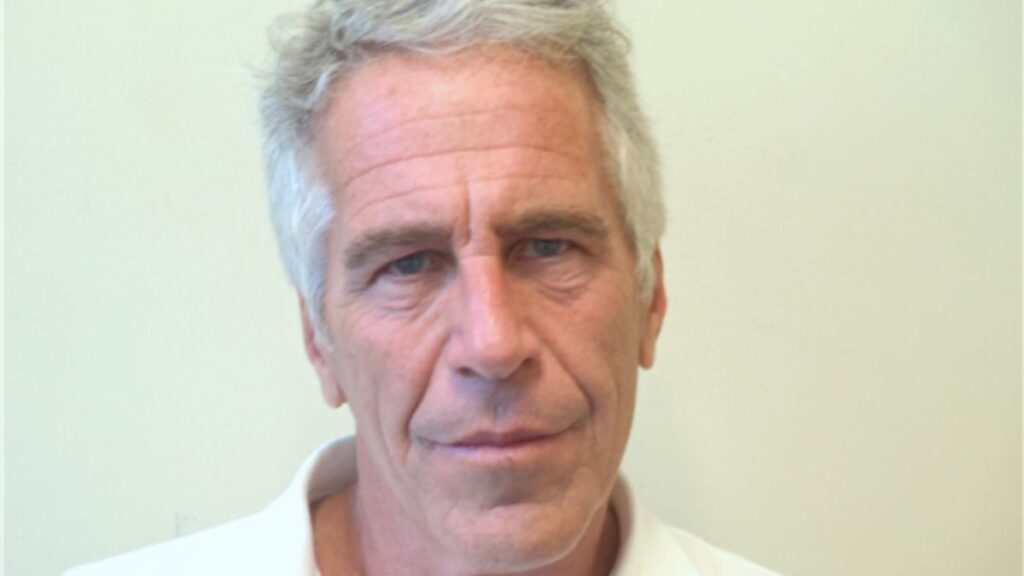
A group of survivors of Jeffrey Epstein filed a lawsuit against the Trump administration and Google on Thursday. Per CNN, they claim the Justice Department revealed their identities in newly released Epstein files. They also allege that Google continued to share this information online after the government removed some documents.
The proposed class-action lawsuit, filed in federal court in Northern California, states that the Justice Department releases from late 2025 and early 2026 “outed approximately 100 survivors” by leaving personal details unredacted in records related to the Epstein investigation.
The suit names the United States and Google as defendants. It seeks damages and asks the court to remove identifying information from search results and other online services. According to the complaint, the government rushed to publish a large amount of records after the Epstein Files Transparency Act passed. It failed to protect victims whose names and personal information were meant to remain private.
A group of Jeffrey Epstein survivors has filed a class action lawsuit against the Department of Justice and Google over the release of victim-identifying information in files related to the late convicted sex offender. https://t.co/2agdsFlTpi pic.twitter.com/M5flRSglVj
— CNN (@CNN) March 27, 2026
The filing says survivors faced harassment and renewed fear after the documents became public. Some received contact from strangers, while others got threats and accusations, even though they were victims of Epstein’s abuse.
The lawsuit also accuses Google of continuing to show and circulate this information through search results, cached pages, and AI-generated products, even after the news of the disclosure. The plaintiffs argue that the company had tools to remove or hide the material but did not act quickly enough after survivors asked for help.
The complaint seeks punitive damages against Google, stating that the company did not stop the spread of sensitive personal information once it was made aware of the issue.
This case follows weeks of criticism regarding the Justice Department’s handling of the Epstein file release. Last month, the department said it had removed flagged documents after lawyers for survivors pointed out thousands of redaction errors.
A spokesperson for the Justice Department noted that the agency takes victim protection seriously and had assigned hundreds of reviewers to the files. The department also mentioned that staff were working quickly to fix any pages where a victim’s identity appeared without proper redaction.
Jayapal: Your DOJ initially released this list of 32 survivors names with only one name redacted, along with numerous files that disclosed not only the names, the emails and the addresses of survivors, but also nude photographs… Survivors are now telling us that their families… pic.twitter.com/xaWRtTllT8
— Acyn (@Acyn) February 11, 2026
The records release took place under a law passed in 2025. This law requires the Justice Department to make public large portions of its Epstein investigative files while still protecting victims’ names and private information.
In February, the department announced the release of over 3 million pages of records, including videos, images, and investigative files. Survivors and some lawmakers later stated that the rollout was poorly managed and did not adequately protect victims.
The new lawsuit does not come as a surprise after several survivors criticized the DOJ for violating their privacy through data leaks. AG Pam Bondi has faced criticism for her handling of the case and has been accused of lacking empathy for the Epstein survivors.
President Trump campaigned on a promise to release the Epstein Files, and his administration continued to promote the release in its early days. However, several members of the administration who supported the release quickly changed their stance once in office.
FBI director Kash Patel claimed there was “no credible information” about others involved in Epstein’s crimes, but documents have already revealed many high-profile individuals who likely preferred to remain hidden.