Boehly-led Eldridge group agrees to buy Lukoil's international assets
The deal needs U.S. Treasury approval and excludes Lukoil's Kazakhstan holdings; a U.S. government lender is among the buyers.
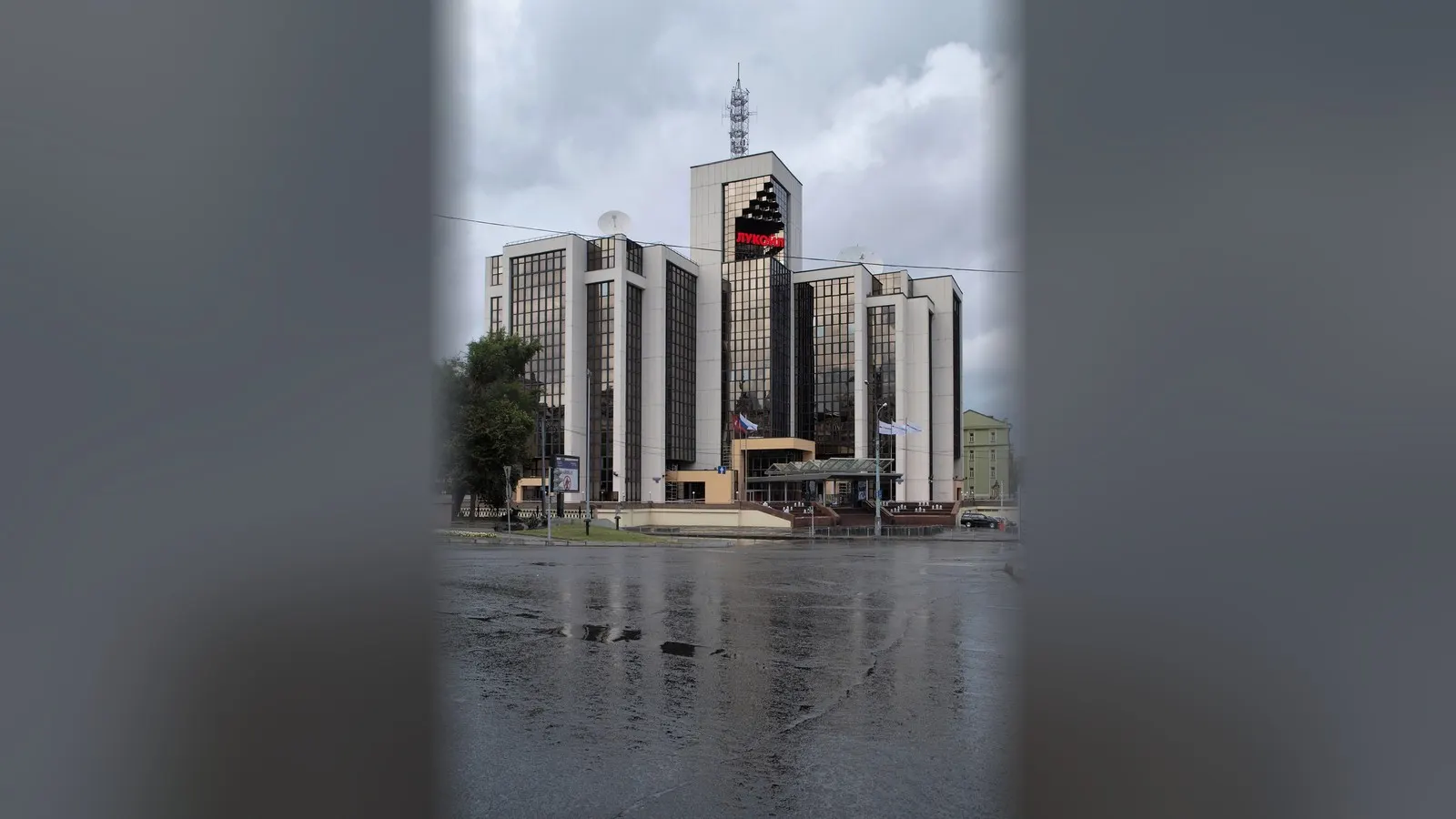
A consortium led by billionaire Todd Boehly's Eldridge and including a U.S. government lender has agreed to acquire sanctioned Russian oil company Lukoil's international assets, subject to U.S. Treasury approval.
Lukoil confirmed the agreement, which it said leaves out its holdings in Kazakhstan. "The company also continues negotiations with other potential purchasers," Lukoil said.
The purchase covers Lukoil International GmbH, whose upstream operations span 11 countries and produce about 350,000 barrels of oil equivalent a day.
The buyers include Boehly's asset manager Eldridge and the U.S. International Development Finance Corporation (DFC), a government lender. UAE-based Catena Investment Holding and New York investment bank Xtellus Partners are also members.
Under the agreement, the consortium would purchase shares in Lukoil and other Russian companies from Western investors, then transfer them to Lukoil for full ownership of Lukoil International. Western sanctions and Russian countermeasures restricted those holdings after Russia's 2022 invasion of Ukraine.
The consortium said it chose a share swap to prevent a direct cash payment to Russia. It said the transferred shares would remain in a restricted custodial account for five years or until sanctions are lifted.
The Center for Strategic and International Studies (CSIS) cited an earlier Treasury Office of Foreign Assets Control (OFAC) FAQ saying a sale must not give Lukoil a windfall, "including through asset or share swaps."
CSIS described different custodial terms. It said the shares would enter a blocked UAE account outside U.S. jurisdiction, with Lukoil able to access them after five years regardless of whether U.S. sanctions remain.
The DFC would hold an ownership interest in Lukoil International for the United States, but the details were not disclosed. The deal's value was not disclosed either.
A DFC official, speaking anonymously to The Associated Press, said the agency's participation would protect U.S. interests and reduce the risk of rivals becoming involved. A DFC official told The National that the agreement would support reliable energy supplies for U.S. families and businesses "and is expected to return billions to American taxpayers."
Boehly told Reuters, in comments carried by The National, that approval would give the United States a share of future profits. He said the agreement would help efforts to prevent Russia from financing its war in Ukraine.
Rep. Gregory Meeks, a New York Democrat and ranking member of the House Foreign Affairs Committee, said the Trump administration was circumventing a congressional ban on DFC investment in Russia. "DFC exists to advance development in emerging markets, not serve as a finance vehicle for President Trump's wealthy and well-connected friends," Meeks said.
"Time and again, this administration demonstrates it will stop at nothing to empower Russia and undercut Ukraine," Meeks said. He called on the administration "to put an immediate stop to this shameful deal."
UPI reported that the deal has raised corruption concerns and legal questions, and that Boehly, Eldridge's CEO, is a major Trump donor. CSIS said Boehly has donated $2 million to pro-Trump causes. UPI also reported that less than a year ago, Congress passed legislation barring DFC support for projects in Russia, and Trump signed it.
The Treasury sanctioned Lukoil and Rosneft, Russia's two biggest oil companies, on Oct. 22, 2025, seeking a ceasefire in Russia's war on Ukraine. It blocked a deal for the assets involving commodity trader Gunvor on Nov. 6, 2025, calling Gunvor "the Kremlin's puppet" on X.
President Trump has been clear that the war must end immediately. As long as Putin continues the senseless killings, the Kremlin’s puppet, Gunvor, will never get a license to operate and profit.
— Treasury Department (@USTreasury) November 6, 2025
Sources told CNBC that Europe could purchase fuel such as diesel previously produced by Lukoil through the U.S.-led group instead of Russia. Those sources said they expect OFAC to approve the transaction, though final approval is still required.
Other regulatory approvals and certain closing conditions also apply.
Sources
- UPI: U.S.-backed consortium reaches deal for Lukoil's overseas assets - UPI.com
- CNBC: Investors led by U.S. billionaire Todd Boehly to buy Lukoil's oil and gas assets outside Russia, sources say
- AP News: US-led consortium agrees to acquire assets from Russian oil company Lukoil
- MarketWatch: U.S.-Led Consortium to Acquire Lukoil in Effort to Control More Oil Resources - MarketWatch
- Treasury Department (@USTreasury) on X