Del Casher, who helped create Hendrix's wah-wah pedal, dies at 88
Casher died after a battle with cancer, a friend wrote; Hendrix used the wah-wah pedal throughout 'Electric Ladyland.'
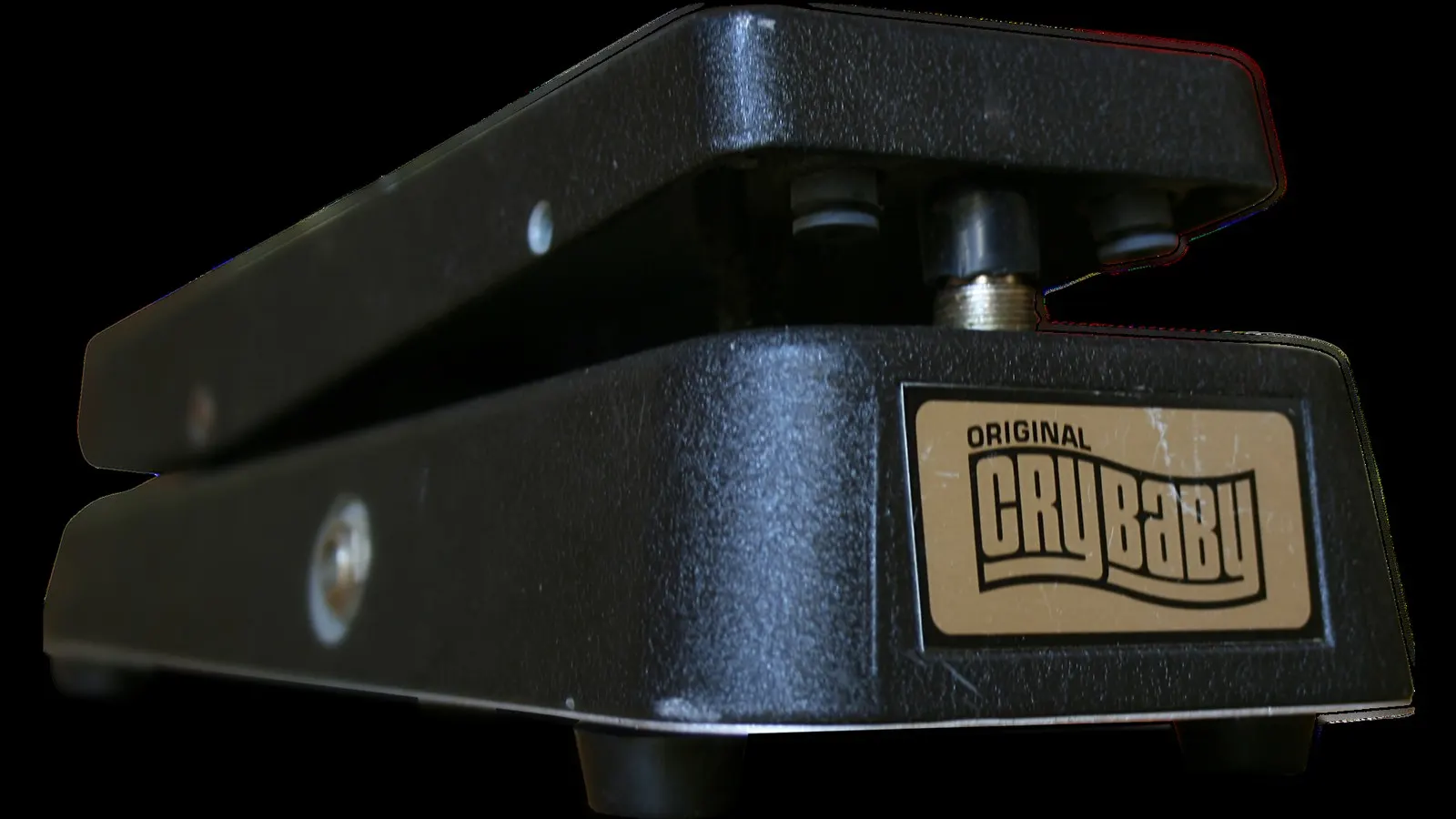
Del Casher, the guitarist credited with helping create the wah-wah pedal Jimi Hendrix used throughout "Electric Ladyland," died Oct. 1 at age 88.
Casher died after a battle with cancer, his close friend Al Burg wrote on a GoFundMe page he established for Casher's widow, Eiko. TMZ first reported the death.
The device lets guitarists control tone with their feet, sweeping a filter across frequencies as they move the pedal up and down. By 1971, it had featured on Isaac Hayes' "Theme From Shaft," a No. 1 single and Oscar-winning song.
The pedal was considered Casher's brainchild, although he often gave Thomas Organ engineer Brad Plunkett credit for engineering it.
Born Delton Kacher in Hammond, Indiana, Casher drew inspiration for his Americana Suite from his father, he told the Los Angeles Times in 2006.
"My father came to America from Austria when he was 13, and by 21 years old, he was an accomplished musician and he became a teacher and orchestra arranger and conductor," Casher said earlier.
At the start of his career, Casher performed with Gene Autry, Lawrence Welk and the Three Suns while trying techniques and technologies to distinguish his electric guitar playing.
His work took him on screen. In the 1964 film "Roustabout," Casher played guitar alongside Elvis Presley. He appeared that year with Jerry Lewis in "The Patsy," as the uncredited Studio Guitarist.
Presley on the set
In an earlier interview with ClassicBands.com, Casher recalled Presley approaching him on the "Roustabout" set after listening to him practice solos.
"Well, I've been listening to you play guitar and I just want you to know that I'd give everything if I could play guitar like you," Casher said earlier, recounting Presley's words.
"When I heard Elvis playing, I knew he was a fake guitar player... Of course, I came to find out he totally admits that," Casher said earlier in the same interview.
The pedal's early years
WTN Global cited an unconfirmed thecount.com account that traced the pedal to a transistorized midrange-boost circuit for Vox amplifiers. Casher noticed that changing the amplifier's tone control made a sound resembling a voice, according to that account.
The account said Casher pressed for the circuit to go into a volume-pedal housing, after which Plunkett and Les Kushner made it into a pedal as Casher helped shape the sound. TMZ said the circuit had been intended for trumpets.
Frank Zappa used the pedal when Casher joined the Mothers of Invention for a performance in 1966. Initially called the "Cry Baby," the device got a demonstration recorded by Casher for instrument stores, as well as a single.
The public did not take to either the pedal or the single when they came out in 1967.
Zappa gave Hendrix a wah-wah pedal. Hendrix used it throughout "Electric Ladyland," on songs including "Voodoo Child," "Burning of the Midnight Lamp" and "All Along the Watchtower."
Eric Clapton used the effect on Cream recordings such as "Tales of Brave Ulysses," while Jimmy Page, Tony Iommi and David Gilmour later experimented with it.
Casher is credited with contributing to other devices, including the Ecco-Fonic and the Fender Electronic Echo Chamber. He went on to compose film scores.
Eiko survives him. It was not immediately known where Casher died or whether a funeral or memorial is planned.
Burg wrote on the GoFundMe page that "Eiko is now facing overwhelming financial and personal challenges at a time when she should be surrounded by peace, care, and stability."
In an earlier interview with The New York Times, Casher said he was gratified to have been present at the start and asked guitar players to remember him.