Nearly 2,200 migrants reach Canary Islands in one weekend, 12 boats land on El Hierro
Twelve of the 14 boats arrived at El Hierro, days after Spain declared a migration emergency in the Canary Islands.
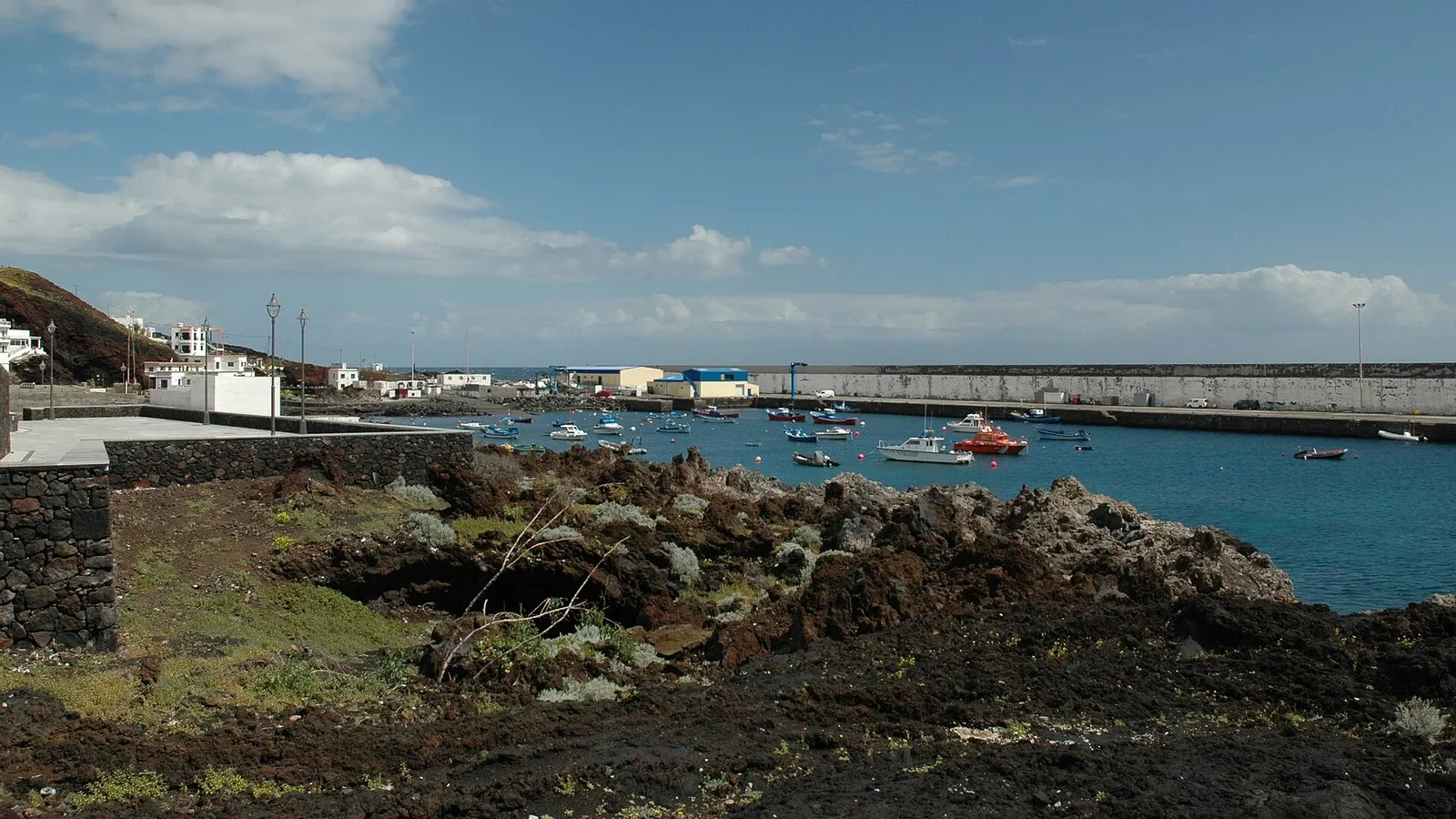
Spain's maritime rescue service said Sunday that nearly 2,200 migrants reached the Canary Islands by boat over the weekend, days after the government declared a migration emergency there.
This is a developing story and will be updated.
Of the weekend's 14 boats, twelve arrived at El Hierro, while Gran Canaria and Tenerife received one each. Local authorities said one vessel that arrived Saturday carried 240 people, including 12 women and 36 children.
Accounts of Saturday's total differ. The Associated Press said the rescue service assisted 1,324 people, a figure close to the Atlantic route's daily rescue record but below it. Al Jazeera cited the service as putting the total at 1,488, mostly arriving on El Hierro from West Africa, and called it a record, as did The Telegraph.
The previous record was 1,461 rescues, on Nov. 7, 2020.
"The Canary Islands cannot continue to face, practically on their own, a situation that requires the involvement of the Spanish government and Europe," said Fernando Clavijo, head of the Canary Islands government.
Spain declared the emergency Tuesday after several weeks of rising arrivals, particularly from sub-Saharan Africa. El Hierro declared a separate state of emergency and sought urgent help from Madrid. AP estimates the island's population at about 12,000, while The Telegraph puts it at 11,000.
Territorial Policy Minister Angel Victor Torres was due on El Hierro on Sunday to discuss the arrivals. It was not immediately clear which Saturday count was correct, whether anyone died or went missing during the weekend crossings, or what came of his visit.
At El Hierro's port, new arrivals are processed before going to a reception center, then to other islands or mainland Spain. Red Cross workers provide dry clothes, food and water and register them at the port, said Dácil León, the organization's emergency coordinator in Tenerife.
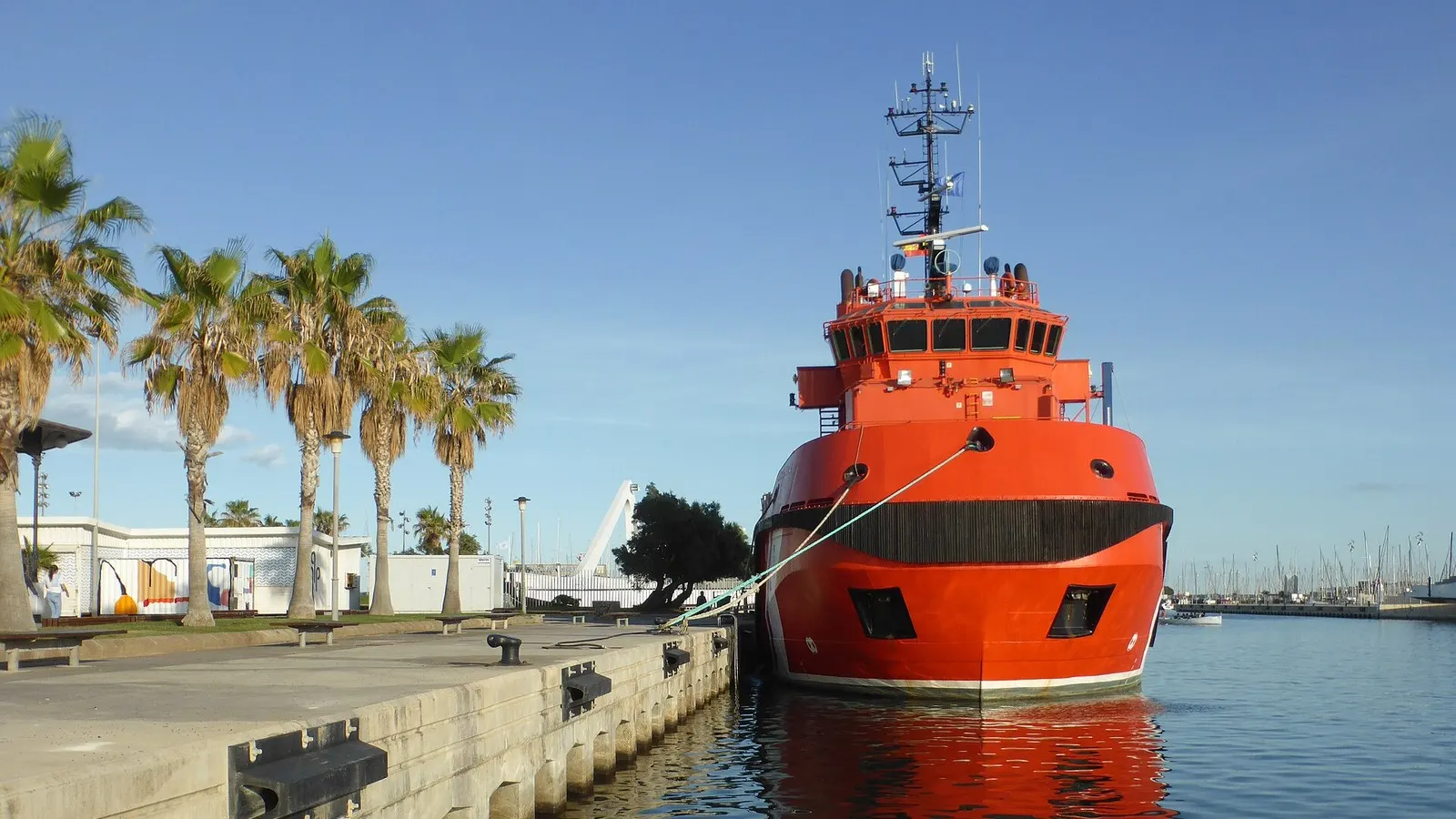
More boats arrived Sunday. "There's been even more arrivals by Sunday afternoon," Al Jazeera correspondent Bernard Smith said from El Hierro.
Frontex reports fourfold rise on route
Spain recorded just over 28,000 sea arrivals from January through the end of October, with more than 13,000 landing in the Canaries, Interior Ministry figures show.
Frontex, the European Union's border agency, said irregular crossings into the EU fell 29% during the year's first 10 months against the same period a year before. "But the western African route to the Canary Islands shows how quickly things can turn: in October, detections there were four times higher than a year earlier," said Hans Leijtens, the agency's executive director.
"Smuggling networks do not disappear when the numbers fall. They move, and they wait for an opening," Leijtens said.
Strong summer winds make the Atlantic crossing rough until autumn. "Things calm down from October, and that's when people start setting off from Africa," Chris Borowski of Frontex told The Telegraph.
The nearest African coast is about 65 miles (105 kilometers) from the Canary Islands, but many boats travel farther to evade security forces. The International Organization for Migration recorded at least 450 deaths on the Western African Atlantic route in the first 10 months of 2026 and said that was likely an underestimate.
Prime Minister Pedro Sánchez said in October that "the data show that Spain is pursuing a very responsible policy in the fight against irregular migration."
Analysts cited by The Telegraph said an amnesty offered by his government to around a million migrants living in Spain irregularly may be drawing arrivals. The newspaper said polls point to a right-wing defeat of Sánchez's left-wing government, with a possible coalition between the center-right People's Party and the hard-right Vox party.
Spain holds an early general election in two weeks.