Missouri judge approves Bayer's up to $7.25 billion Roundup settlement
The nationwide agreement covers current and future non-Hodgkin lymphoma diagnoses; Bayer denies Roundup causes cancer.
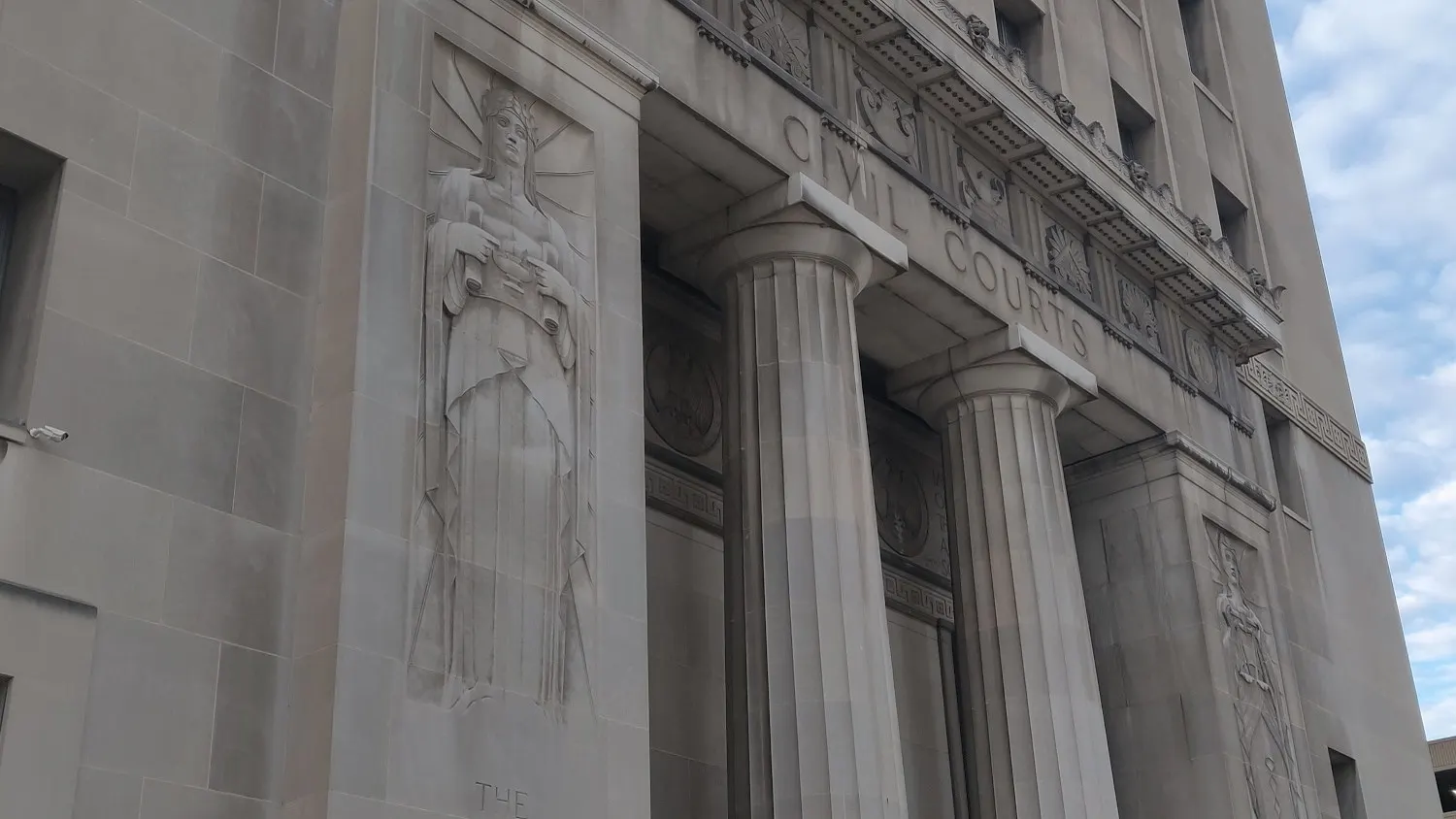
Bayer will pay up to $7.25 billion over two decades to settle U.S. claims that Roundup causes non-Hodgkin lymphoma, following a Missouri judge’s final approval Friday.
St. Louis Circuit Judge Timothy Boyer approved the agreement, announced in February, in a written judgment. He called the average individual payouts "fair and adequate" and said the overall sum is "among the largest in the history of mass tort personal-injury class action settlements."
The nationwide agreement covers users who are ill now and those who receive a non-Hodgkin lymphoma diagnosis in future years.
"Today's final approval order delivers guaranteed compensation to Roundup cancer victims who have waited more than a decade for justice," said Christopher A. Seeger, court-appointed counsel for the cancer patients.
Bayer CEO Bill Anderson said the agreement is "a decisive milestone in the company's strategy to mitigate the risks of both pending and future Roundup litigation." Bayer denies that Roundup causes cancer and says studies have found glyphosate, its main ingredient, to be safe.
Payments and eligibility
Rising legal costs prompted Bayer to consider withdrawing Roundup from U.S. agricultural markets, while the agreement provides some financial certainty, The Associated Press reported. Bayer will pay into a special fund each year for up to 21 years.
The agreement aims to resolve most outstanding Roundup lawsuits and future cases involving people exposed before its February proposal. It adds to the $16 billion Bayer previously reserved for Roundup legal expenses.
Average awards could range from $10,000 to $165,000, with amounts depending on Roundup use, age at diagnosis and illness severity. Agricultural, industrial or turf workers with lengthy exposure who developed an aggressive form before age 60 could receive $165,000 on average.
For those diagnosed at 78 or older, the average would be $10,000.
Court ruling and objections
In June, the U.S. Supreme Court barred state-court suits against Bayer alleging a failure to warn about cancer. The court said federal rules do not require a cancer warning and states cannot impose additional labeling requirements.
Cancer patients’ attorneys disagree over the settlement, the AP reported. Some consider the payments too small, while others say the deal beats receiving nothing, an outcome they consider more likely after the Supreme Court decision.
"This settlement is the scariest, worst future settlement that's ever been contemplated," attorney Gerson Smoger said at a September hearing on its fairness. He said it bound future claimants for decades without a chance at punitive damages while Roundup remained on sale, "allowing the victims to continue to be exposed."
Only a couple dozen Roundup cases have reached juries, which have found for both Bayer and plaintiffs. A Georgia jury awarded plaintiffs $2.1 billion in one case.
In October, a Missouri jury found for Bayer in a case alleging design defects, negligence and fraud, the first Roundup verdict since the Supreme Court ruling. After that verdict, Bill Dodero, Bayer’s U.S. general counsel and global litigation leader, said it "should send a strong signal" that future plaintiffs will face significant challenges pursuing Roundup cancer claims.
Glyphosate and cancer assessments
Bayer acquired Roundup when it bought Monsanto in 2018. About 200,000 Roundup-related claims have been made against Bayer, many by people who used it on home lawns and gardens.
The World Health Organization’s International Agency for Research on Cancer classified glyphosate as "probably carcinogenic" in 2015. The U.S. Environmental Protection Agency has determined it is not likely to cause cancer in humans when used as directed. Bayer has removed glyphosate from new Roundup versions sold for residential use.
It was not immediately known whether any objector plans to challenge the ruling. Boyer’s approval could be appealed, the AP reported.