



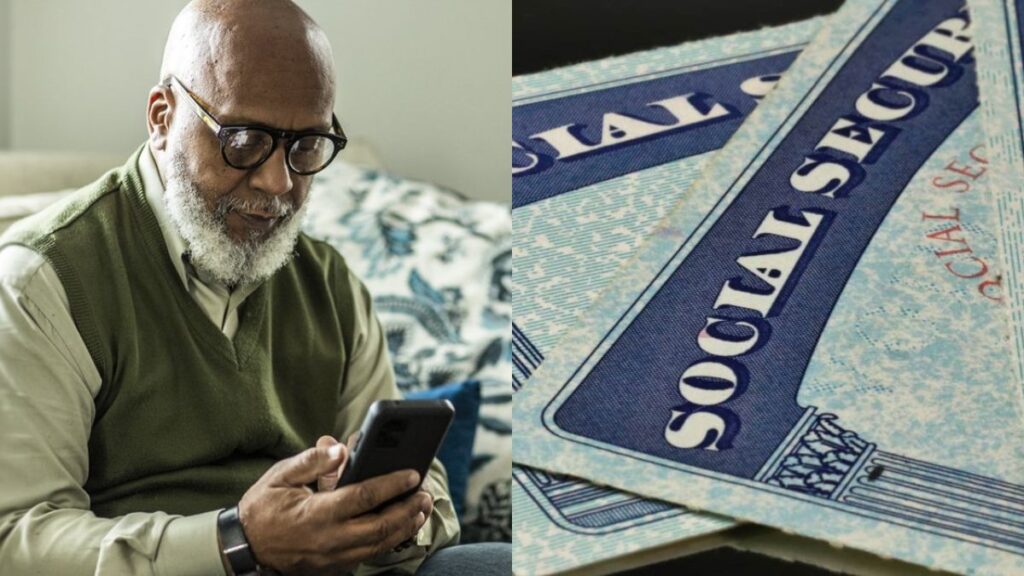
The Social Security Administration has a new update that baby boomers should take very seriously. The Old Age and Survivors Insurance trust fund is now one year closer to running short of money.
Previously, the estimated depletion date was set for 2033. However, according to 24/7 Wall St., the Congressional Budget Office has released new projections that predict that the fund would be running short by 2032.
While this is certainly big news for retirees and near-retirees, it is important to understand what depletion truly means. It does not mean that Social Security would stop benefits.
The program collects payroll taxes every week, which keeps the money flow consistent even when the trust fund runs out. However, once the fund runs short of money, the income alone would not be able to pay the full benefits retirees are promised.
The Congressional Budget Office says to be prepared for Social Security check payments to be reduced in 6 years due to low funds
“It’ll be an immediate 7% payment cut in 2032, and then an average 28% benefit drop from 2033 onward”
You pay in your whole life and the government… pic.twitter.com/xYgyrN9xCi
— Wall Street Apes (@WallStreetApes) February 19, 2026
According to the Congressional Budget Office’s updated projections, once the fund runs out, SSA would only be able to pay about 77% of scheduled benefits. This means that there would automatically be a 23% cut in payments, without any action from Congress, that is, if the law remains unchanged.
While this might not sound like much, experts have warned that the cut could translate into a significant reduction every month. For example, a typical retiree who is receiving about $2071 per month could end up losing around $476.33 every month. For a person’s retirement budget, it is not minor, as it could lead to disruption in their daily lifestyle.
There are several factors behind the change in the depletion date. The Trump-touted One Big Beautiful Bill Act (OBBBA) cut the payroll tax revenue that comes into the trust fund program. The Social Security Fairness Act has introduced some retroactive payments, which have added over $17 billion in additional payouts.
This means the amount of money leaving the system within a short period of time has significantly increased, and therefore accelerated the depletion of the trust fund reserves.
In about six and a half years the Social Security trust fund hits zero.
It was never a vault. It is a pay-as-you-go promise with fewer workers under it every year.
Pretending that math is optional is how you end up cutting the very seniors you claim to protect. pic.twitter.com/zto35CDnQ6
— Rep. David Schweikert (@RepDavid) February 17, 2026
Another factor is the demographic math. According to AARP International, we are experiencing what expert calls the “Peak 65.” This means that every day in the US, 10,000 people turn 65. This has significantly increased the number of people claiming benefits rather than the workers who are supporting the system.
Not to mention, the current economy is making it more difficult. According to the US Bureau of Economic Analysis, in late 2025, growth had plummeted to 1.4%, while unemployment has touched 4.4% as of February 2026. This means fewer workers are paying taxes, and the amount of money going into the trust fund has also decreased.
However, experts note that all hope is not lost. Congress will have to make a few difficult choices to stop this from happening in the future. The top three changes should raise taxes, cut existing benefits, or at least delay the minimum retirement age. However, none of these is easy to change without circumstantial consequences.


