



Officials from the U.S and Iran wrapped up a round of nuclear talks in Geneva on Thursday. Iranian leaders called these discussions some of the most intense yet. However, both sides could not reach an agreement and indicated that talks will continue, according to statements and diplomatic sources.
Iran’s Foreign Minister Abbas Araghchi said after the talks that meaningful progress had been made, but key issues were still unresolved. “We reached agreement on some issues, and there are differences regarding some other issues,” he told Iranian state television following the meeting, per The Guardian.
The session, mediated by Oman, took place over multiple meetings and focused on disagreements about Tehran’s nuclear program as well as U.S. demands related to sanctions and inspection measures. U.S. and Iranian teams will conduct technical discussions next week in Vienna, Oman’s foreign minister said, while senior diplomats meet in their respective capitals.
U.S. special envoy Steve Witkoff and Iranian negotiators led by Araghchi have been involved in indirect talks facilitated by Oman since early February. Their goal is to narrow the deep-seated differences over uranium enrichment and international sanctions.
After several days of discussions in Geneva, the two sides left without reaching a breakthrough that would lead to a signed agreement. U.S. officials continued to insist on strict, verifiable limits on Iran’s nuclear activities, along with inspections to stop Tehran from developing a nuclear weapon, according to diplomats familiar with the talks. Iranian officials, on the other hand, argued that any deal must provide significant relief from U.S. and international sanctions that have burdened the country’s economy.
— Seyed Abbas Araghchi (@araghchi) February 26, 2026
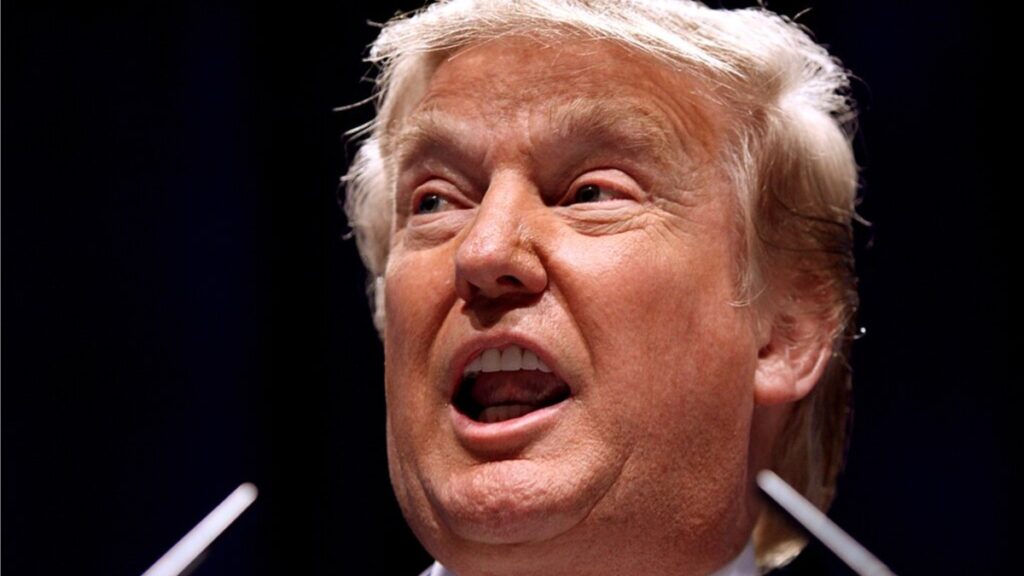
Repeated warnings from President Donald Trump that unspecified actions could follow if Iran does not agree to strict limits on its nuclear program. A U.S. official stated on Friday that Trump is not happy with the pace of negotiations but will watch the upcoming sessions before deciding on next steps. “We’re not exactly happy with the way they’re negotiating,” the official quoted Trump as saying after the Geneva round ended.
Trump also escalated the war of words with Iran and has continuously hinted at military action, as he did with Venezuela before the capture of Nicolas Maduro. After expressing disappointment with the talks, the president said there is “always a risk” of a military conflict with Iran, and reiterated that they cannot get a nuclear weapon.
“It’d be nice if we could do it without [the military], but sometimes you have to do it with,” he said. “We have the greatest military anywhere in the world. There’s nothing close. I’d love not to use it, but sometimes you have to.”
Iran has consistently stated that its nuclear activities are for peaceful purposes and in Geneva, Oman tried to bridge differences and guide discussions toward a resolution that could ease sanctions while reducing nuclear tensions. Oman’s foreign minister said both sides exchanged innovative proposals and that the overall tone of the talks was “intense” and substantive, even if major disagreements remained.
Negotiators plan technical discussions in Vienna involving diplomats and experts from both governments, hoping that continued engagement could resolve the remaining scientific and verification issues that stalled the Geneva talks.


