



Millions of Americans who rely on Social Security are closely watching the Federal Reserve’s policy meeting on March 18. The discussion on inflation and interest rates could provide early signals about cost-of-living adjustments (COLA). However, the central bank does not determine benefit increases.
The annual COLA is judged by the inflation data later in the year. But people can gauge what it may be through the Federal Reserve’s signals. Many of these people are retirees living on a fixed income. They follow these developments because slight changes in inflation can affect their monthly benefits.
AARP warns 2026 Medicare Part B premium hike (9.7%) triples Social Security COLA (2.8%) growth
— Byul (@byul_finance) March 16, 2026
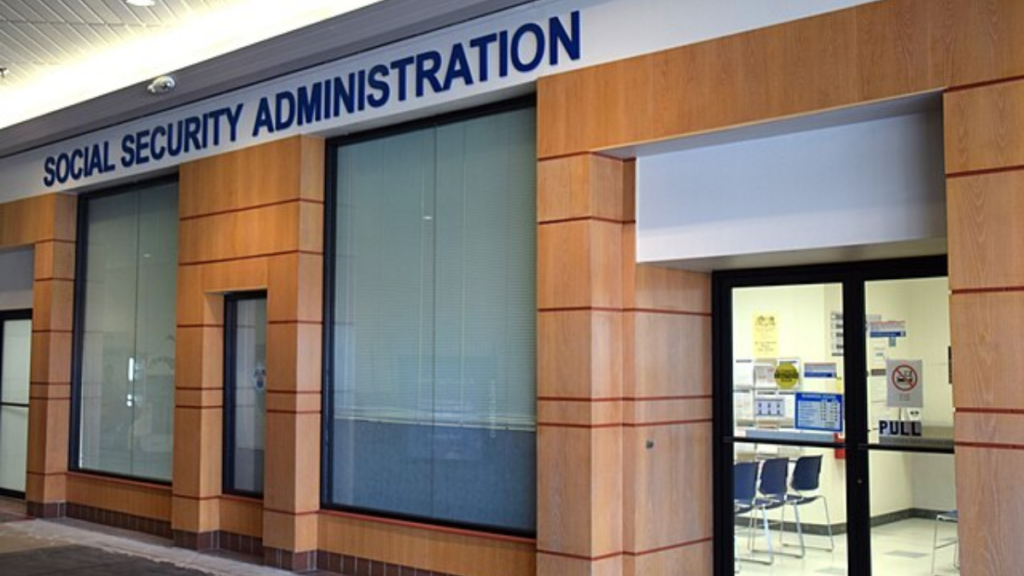
The Social Security Administration is responsible for calculating COLA. They use the Consumer Price Index for Urban Wage Earners and Clerical Workers (CPI-W). To calculate it, they compare the inflation during the third quarter of the present year with the same period of the previous year. Additionally, the announcement for the following year is shared in mid-October.
According to Marca, Federal Reserve Chair Jerome Powell will outline the central bank’s latest economic outlook. Analysts will then parse his comments to determine whether inflation is rising or easing.
It is important to note that the Federal Reserve does not set Social Security Payments. However, its indications help in influencing the price levels. Higher interest rates generally mean slower spending and less inflation. On the other hand, higher borrowing can drive up prices.
COLA can help benefits keep pace with rising costs, according to the Social Security Administration. This technically means that bigger adjustments can coincide when prices are rising quickly. In 2026, Social Security beneficiaries received a 2.8 percent increase. This highlighted the easing of inflation compared to sharp price increases seen earlier in the decade.
According to economic experts, retirees should track several indicators in the coming months. These include monthly inflation reports, especially CPI-W data, housing and healthcare costs, and wage growth.
🇺🇸Cautious consumers in Jan ’26
🛒Consumer spend +0.4%
🔶Inflation-adj +0.1%
💵Disposable income +0.9% (dividend income & COLA Social Security)
✅Inflation-adj +0.7%
🏦Savings rate: 4.5% (+0.5pt)
📉PCE #inflation
🔽Headline: 2.8% y/y (-0.1pt)
🔺Core: 3.1 y/y (+0.1pt) pic.twitter.com/eVihjmaIw5
— Gregory Daco (@GregDaco) March 13, 2026
If inflation continues to ease, the 2027 COLA could be lower.
And that will result in a smaller benefit increase. Additionally, it could signal that everyday expenses are stabilizing. Nevertheless, final figures will not be available until September’s inflation data are compiled. However, the upcoming March meeting can be used to study what Social Security recipients can expect in 2027.