



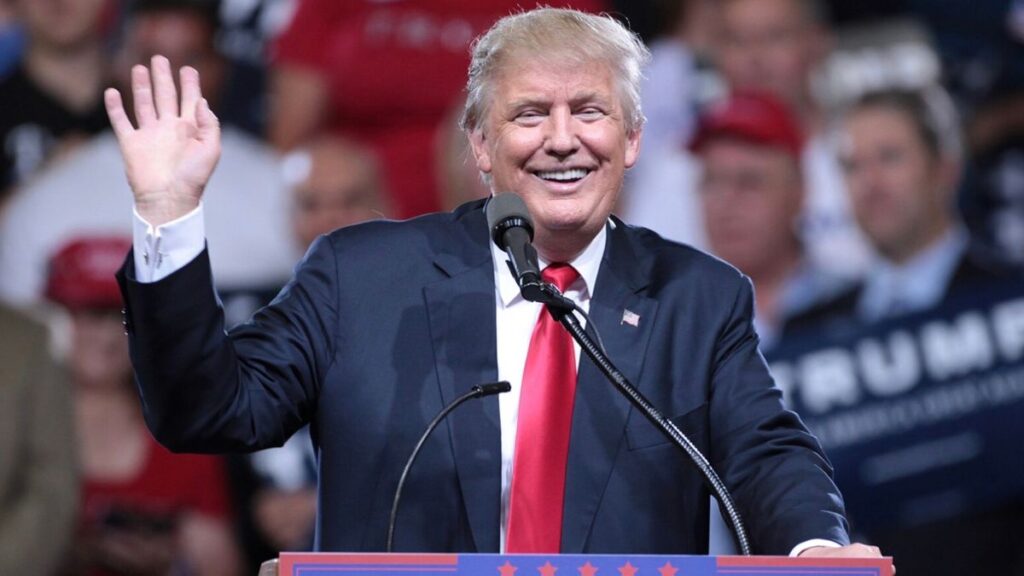
South African President Cyril Ramaphosa recently spoke about his meeting with U.S. President Donald Trump. He expressed surprise at Trump’s limited understanding of South Africa and its history. Ramaphosa recalled an exchange where Trump used misleading video footage while discussing claims of violence against white farmers.
In an interview published Thursday by The New York Times, Ramaphosa noted that Trump seemed to be viewing South Africa through misconceptions that overlooked the country’s actual situation.
“I just thought that he is so uninformed, truly uninformed,” Ramaphosa said.
The two leaders met on Wednesday, discussing crime, land reform, and racial tensions in South Africa. During their talk, Trump showed Ramaphosa a screenshot from a video that he claimed supported allegations of a white “genocide” occurring in the country.
Reporters pointed out that the footage Trump referred to was not filmed in South Africa; it actually came from the Democratic Republic of the Congo.
This moment stood out to Ramaphosa. He felt it showed Trump’s perception of the situation in South Africa.
“I realized that he is looking at South Africa through a completely foggy lens, without realizing the real harm that apartheid did,” Ramaphosa said. “In my view, he was just dismissive.”
Trump has frequently mentioned claims about attacks on white farmers in South Africa. This topic is popular on social media and among some political commentators in the United States and Europe. South African officials have stated that these claims misrepresent the actual crime patterns in the country.
South Africa faces high levels of violent crime affecting communities across different racial and economic groups. Government officials say farmers from various racial backgrounds have been the victims of rural crime, but they reject claims that white landowners are being systematically targeted.
This issue has come up in U.S. politics before. In 2018, Trump claimed he had asked then-Secretary of State Mike Pompeo to investigate land seizures and killings of white farmers in South Africa. At that time, South African authorities stated that the narrative circulating internationally did not match the official crime statistics.
Land reform remains a significant political issue in South Africa, decades after the end of apartheid. During the apartheid era, most agricultural land was owned by the white minority, and Black South Africans faced restrictions on land ownership in most areas.
Apartheid officially ended in the early 1990s after negotiations between the government and anti-apartheid leaders, leading to democratic elections in 1994. These elections brought anti-apartheid leader Nelson Mandela to power as South Africa’s first Black president.
Ramaphosa was part of the negotiating team that facilitated this transition. Today, South Africa continues to deal with economic and social inequalities rooted in the apartheid era.
The United States and South Africa have diplomatic and economic ties, with the U.S. being one of South Africa’s major trading partners. Our cooperation includes investment, public health programs, and regional security initiatives.
Despite this, Ramaphosa said his recent conversation with Trump stood out due to how the U.S. president portrayed conditions in South Africa. The South African leader pointed out that Trump’s comments reflected a misunderstanding of the country’s history and the lasting damage caused by decades of racial segregation.


