



Be it the war between Russia and Ukraine or the ongoing joint United States and Israeli military operation in Iran, major world events have impacted local economies to a great extent in the last few years. This has consequences for the average citizen anywhere in the world. Stock markets and trade fluctuate based on what is going on around the world.
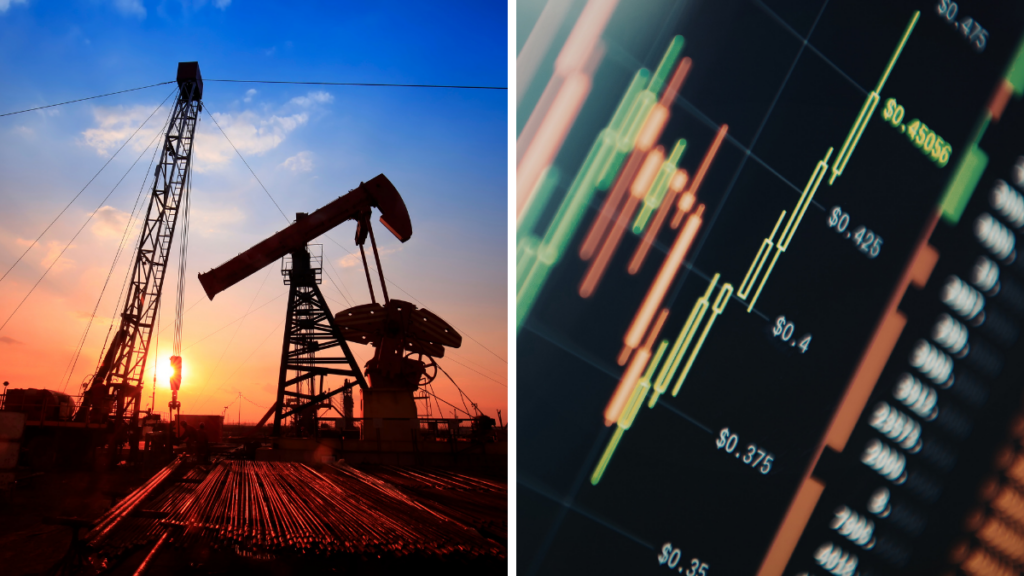
With the Middle East conflict escalating as Iran and Israel-United States slug it out, oil is in focus on the world stage. For the first time in over a year, oil prices have risen to $80 a barrel. The longer the war in the Middle East drags on, the more the effects of it will be on essential commodities and transportation.
The world saw a rise in prices for multiple commodities, including oil and gas, during the invasion of Ukraine by Russian forces.
I am bullish on #Crudeoil ✅
Crudeoil moved from 61$ to 84$ 🤠 https://t.co/cdrXhX8ddj pic.twitter.com/AmbMRKZjQv
— World of Finance and Associates 🌎 (@manerhushi123) March 3, 2026
Currently in focus is the Strait of Hormuz, which Iran has decided to close in the face of the ongoing conflict. Experts have suggested that a short-term closure could result in slight inflation, while a long-term termination of access to the strait can result in severe economic issues.
The strait is responsible for about a fifth of the world’s oil and gas transportation. Hence, consumers around the world can expect a rise in gas and oil prices.
As gas prices start to quickly climb with #Iran now restricting all traffic and oil exports through the Straight of Hormuz, this gas station in Milwaukee County raised prices just :30 seconds after I started to fill up: pic.twitter.com/pwZwst1jvT
— Jason Fechner 📺🎥 (@jasonfechner) March 3, 2026
Rising oil prices mean that the price of fuel will be affected as well. If the Strait of Hormuz does not resume operation anytime soon, experts have predicted that prices of oil barrels can reach as high as $90-$100 a barrel.
Oils and fuel prices are not the only commodities that are affected by war. Gold and investments have also taken a hit, with markets around the world experiencing drops. Be it Europe, America or major markets in Asia — all indices have taken a hit and will continue to do so if the war rages on.
There has been a lot of chatter about the United States’ action on foreign soil. However, unlike Venezuela and Mexico, Iran has proven to be a much more sensitive geopolitical landscape. There have been criticisms about the regime change operation in Iran that the United States has openly declared.
Some factions are celebrating the liberation of Iran from a theocratic, fascist government, including many Iranian citizens, according to multiple sources. It remains to be seen if the leadership that comes in the wake of the war can liberate the country from it’s socio-economic woes.